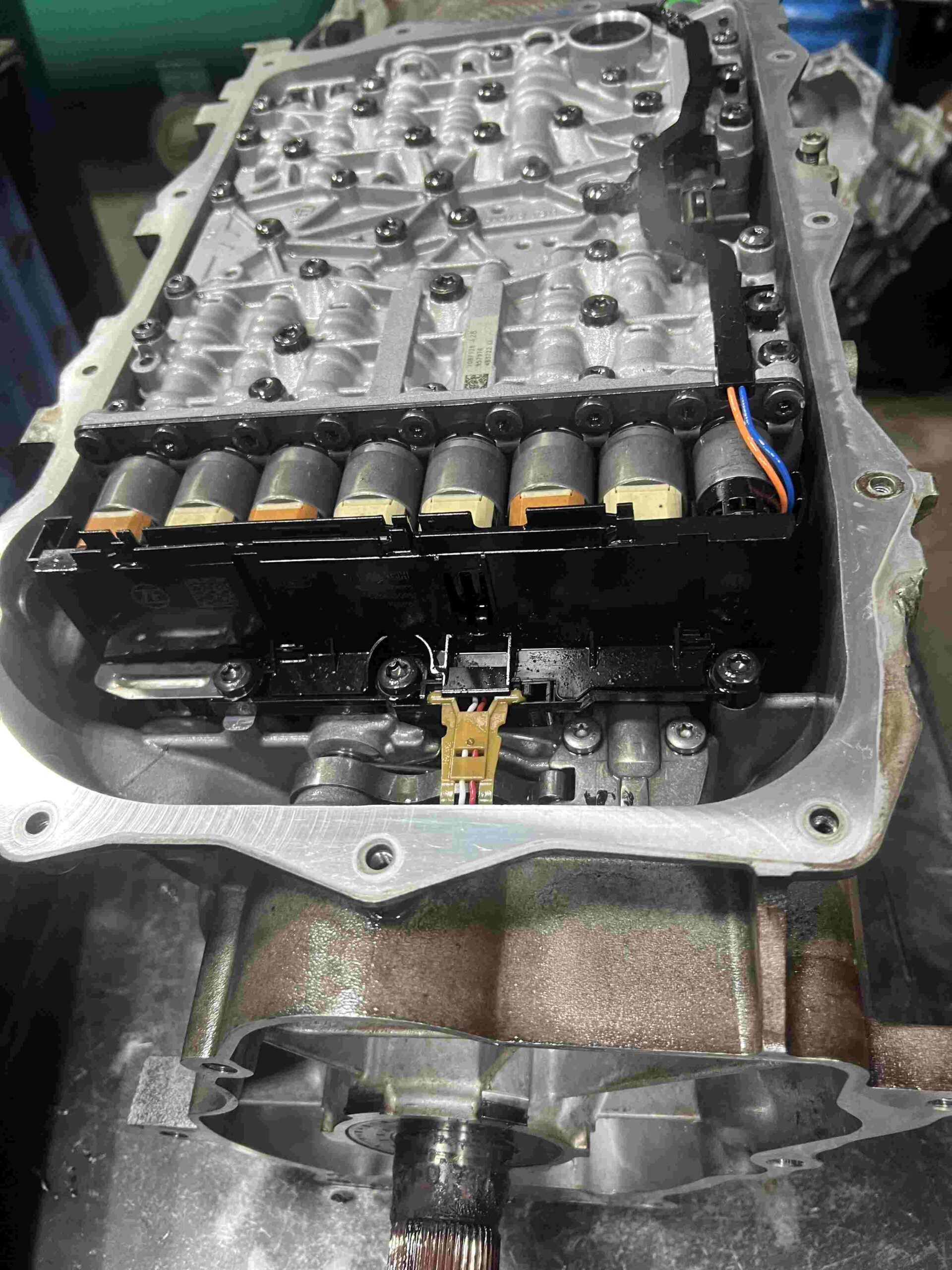
What is the Estimated Cost of Replacing a Transmission Solenoid?
When your vehicle shows signs of transmission trouble, one of the first questions that comes to mind is the cost associated with replacing a transmission solenoid. Typically, you can expect the total expense to range from $200 to $800, encompassing both parts and labor. This variation largely depends on factors such as your vehicle’s make and model, in addition to the complexity of its transmission system.
The role of the transmission solenoid is crucial, as this electromechanical component regulates the flow of hydraulic fluid, ensuring seamless gear engagement. A malfunctioning solenoid can cause frustrating driving issues, emphasizing the importance of understanding the potential costs connected to its replacement.
What is the Typical Cost of Transmission Solenoid Parts?
The prices for transmission solenoid parts can vary widely. For instance, if you’re replacing a single solenoid or a complete solenoid pack, the costs will differ significantly. An individual shift solenoid for a 2010 Honda Civic usually ranges from $50 to $150. In contrast, a full solenoid pack for a 2015 Ford F-150 with a 6R80 transmission can cost between $200 and $600. For premium vehicles such as a BMW 3 Series, expect solenoid pack prices to climb to $400 to $800.
These solenoids are critical for managing hydraulic pressure within the transmission, directly impacting how smoothly your gears shift. If you’re experiencing symptoms like harsh, delayed, or erratic shifts, it could indicate a faulty solenoid. To learn more about recognizing these symptoms, check out our detailed article on Transmission Solenoid Failure: How to Identify Symptoms and Save Your Gearbox.
What is the Estimated Labor Cost for Replacing a Transmission Solenoid?
Labor costs for replacing a transmission solenoid generally range from $160 to $600. This range reflects the differences in mechanics’ hourly rates and the time it takes to complete the job. The duration largely depends on the accessibility of the solenoid; for example, externally mounted solenoids, typically found in many front-wheel-drive (FWD) vehicles, might require just 2 to 3 hours of labor. Conversely, internally mounted solenoids in rear-wheel-drive (RWD) vehicles generally demand 3 to 6 hours due to the need for removing the transmission pan.
Average shop rates hover between $80 and $120 per hour. For instance, a job requiring 4 hours at $100 per hour would accumulate a labor cost of about $400. The complexity of accessing the transmission plays a significant role in determining this cost, as substantial mechanical disassembly may be necessary. Ignoring the warning signs of a failing solenoid can transform minor issues into serious transmission failures, which may leave your vehicle unusable and lead to far more expensive repairs. For further insights into these potential implications, read our article, Is It Safe to Drive with a Bad Transmission Solenoid? Risks and Costs.
What Factors Influence the Total Cost of Replacing a Transmission Solenoid?
Several vital factors can affect the overall cost of replacing a transmission solenoid, extending beyond just parts and labor. Your vehicle’s make and model significantly influence cost, with luxury European sedans generally commanding higher prices for parts than compact mass-market cars. Additionally, whether your transmission is automatic or manual continues to dictate labor complexity and pricing.
Your geographical location plays an important role in labor costs as well. Urban areas typically have higher hourly rates compared to rural regions. Furthermore, the need for additional services—like a transmission fluid flush or filter replacement—can escalate your total expenses. Neglecting proper transmission fluid maintenance can lead to hydraulic pressure problems, resulting in solenoid failures. Learn more about fluid degradation in our guide, 7 Warning Signs of Bad Transmission Fluid You Shouldn’t Ignore.
What is the Cost Comparison for Solenoid Replacement by Vehicle Type?
The costs associated with replacing a transmission solenoid can vary significantly based on the type of vehicle, influenced by part prices, accessibility, and labor time.
| Vehicle Type Example | Solenoid Type | Estimated Parts Cost Range | Estimated Labor Hours | Estimated Total Cost Range (Parts + Labor @ $100/hr) |
|---|---|---|---|---|
| 2010 Honda Civic (Automatic) | Individual Shift Solenoid (External) | $50 – $150 | 2 – 3 hours | $250 – $450 |
| 2015 Ford F-150 (6R80 Transmission) | Solenoid Pack (Internal) | $200 – $600 | 4 – 5 hours | $600 – $1,100 |
| 2018 BMW 3 Series (ZF 8HP Transmission) | Mechatronic Unit (Integrated Solenoids, Internal) | $800 – $1,500 (per unit) | 5 – 7 hours | $1,300 – $2,200 |
Frequently Asked Questions About Transmission Solenoid Replacement
What are the main symptoms of a faulty transmission solenoid?
Common indicators of a faulty transmission solenoid include harsh or delayed shifting, noticeable shuddering during acceleration, or the illumination of the “Check Engine” light along with specific Diagnostic Trouble Codes (DTCs).
Is it safe to continue driving with a faulty transmission solenoid?
Driving with a malfunctioning transmission solenoid is generally unsafe. It can lead to significant mechanical damage to the transmission, along with potential safety risks due to erratic gear shifts or loss of traction.
Can low or dirty transmission fluid cause solenoid issues?
Indeed, significantly degraded or low transmission fluid can compromise hydraulic pressure and lubrication, which can directly cause or exacerbate solenoid failures and lead to premature breakdowns.
How long does a transmission solenoid replacement usually take?
Typically, a transmission solenoid replacement can take between 2 to 6 hours, depending on the accessibility of the solenoid (external vs. internal) and your specific vehicle model and transmission design.
What is the typical warranty for a new transmission solenoid?
Most new solenoids or solenoid packs come with a manufacturer’s warranty ranging from 12 months/12,000 miles to 24 months/24,000 miles, covering parts defects.