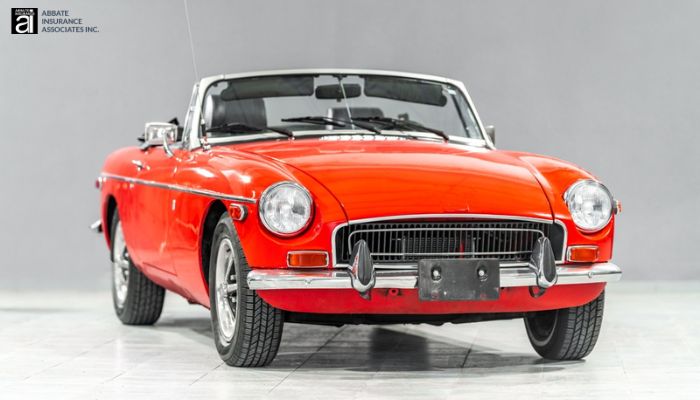
When it comes to protecting your prized possession, understanding the distinctions between classic car insurance and standard auto insurance is vital. Classic car insurance emphasizes “agreed value” coverage tailored for collectible vehicles, ensuring they are valued appropriately, whereas standard auto insurance generally employs “actual cash value,” which factors in depreciation for everyday drivers. This fundamental difference matters greatly, as classic cars often hold or even increase their value, standing in stark contrast to the typical depreciation of modern vehicles.
Classic car insurance policies are expertly crafted for vehicles of historical significance or collectible status, allowing them to be driven for enjoyment rather than daily commuting. Understanding these nuances can ensure that you choose the right coverage for your unique vehicle.
What is the Fundamental Distinction Between Classic Car Insurance and Standard Auto Insurance?
The valuation methodology and intended usage set classic car insurance apart from standard auto insurance. Classic car insurance specifically caters to vehicles driven infrequently, typically for leisurely drives, car shows, or club events. Meanwhile, standard auto insurance encompasses vehicles used regularly for commuting and daily errands.
How Does “Agreed Value” Coverage Differ from “Actual Cash Value” for Classic Vehicles?
At the heart of classic car insurance is the “agreed value” coverage model. Here, the vehicle’s worth is mutually established between the policyholder and the insurer as the policy begins. In cases of total loss or theft, this predetermined amount guarantees a payout to the owner, minus any deductible, without considering depreciation. This is crucial for receiving compensation that accurately reflects the vehicle’s market value or restoration costs.
In contrast, standard auto insurance uses “actual cash value” (ACV), which assesses a vehicle’s worth at the time of loss by deducting depreciation based on age, mileage, and overall condition. Consequently, owners often receive far less than the vehicle’s original purchase price, especially for modern cars that depreciate swiftly. For classic cars, this valuation method significantly undermines their unique market position and the financial investment involved in their upkeep.
Some insurance providers may offer a “stated value” option, allowing owners to declare a value. However, it’s essential to note that the insurer pays out the lesser of either the stated value or the ACV at the time of loss, lacking the secure guarantee that an agreed value policy offers.
What are the Specific Eligibility Criteria for Classic Car Insurance?
To qualify for classic car insurance, certain criteria regarding age, usage, condition, and storage must be met. Generally, a vehicle is considered “classic” if it’s between 10 to 25 years old, though many insurers stipulate that cars must be at least 25 years old. Notably, some providers, like Hagerty, focus on collector value rather than solely the age requirement and may include vehicles from 1979 or older, as well as limited edition models.
A car’s condition is paramount; it is expected to be in excellent shape, highlighting the owner’s commitment to its preservation. Older vehicles typically need restoration to reach good condition to be eligible for coverage.
Are There Driving Restrictions Imposed by Classic Car Insurance Policies?
Indeed, classic car insurance policies enforce strict usage and mileage limitations. These vehicles are not intended for daily transportation; they should be primarily for pleasure driving, participating in car shows, or attending club events. Many policies limit annual mileage to between 1,000 and 7,500 miles, depending on the provider. Unique offerings, such as those by Grundy Insurance, might even eliminate mileage caps for cars over 25 years old.
Moreover, secure storage is a non-negotiable requirement. Classic cars must be housed in a locked, enclosed facility, such as a private garage or dedicated storage unit, mitigating risks associated with theft, vandalism, and weather-related damages—this further contributes to lower premium costs.
How Do Premium Structures and Cost Factors Compare?
Interestingly, classic car insurance premiums tend to be significantly lower than those for standard auto insurance, often by as much as 40%. This reduced cost is largely attributed to the limited usage and secure storage mandates that create a lower risk profile for insurers. On average, classic car insurance can range from $200 to $600 annually, while standard policies can easily exceed $1,000 a year, reaching as high as $4,200.
Factors influencing classic car premiums include the vehicle’s age, condition, agreed value, and the owner’s driving history. Owners with a clean driving record or those who invest in anti-theft features often enjoy additional savings. Conversely, standard auto insurance premiums are influenced by various factors, including the vehicle’s make and model, the driver’s age and experience, their driving history, geographical location, and annual mileage. For instance, in 2026, a professional car battery replacement typically costs between $268 and $368, showcasing operational expenses that affect day-to-day vehicles more directly than classic cars (How Much Does a Car Battery Replacement Cost in 2026?).
Key Differences: Classic Car Insurance vs. Standard Auto Insurance
| Feature | Classic Car Insurance | Standard Auto Insurance |
|---|---|---|
| Valuation Method | Agreed Value (guaranteed payout, no depreciation) | Actual Cash Value (ACV, depreciated value at time of loss) |
| Primary Usage | Limited pleasure driving, car shows, club activities, occasional tours | Daily commuting, errands, regular user transportation |
| Storage Requirements | Secure, enclosed facility (private garage preferred) | Basic parking options (street, driveway, garage) |
| Annual Mileage Limit | Usually 1,000 to 7,500 miles per year, with some exceptions | Typically unlimited for routine use |
| Premium Structure | Lower rates, often 20-40% less due to reduced risk | Higher, influenced by daily driving risks |
| Requirement for Other Vehicle | Yes, usually mandates a separate daily insured vehicle | No, often serves as the primary vehicle |
What Are the Key Benefits of Opting for Classic Car Insurance?
Choosing classic car insurance has numerous advantages beyond just cost savings. These policies offer specialized coverage tailored to the unique nature of vintage vehicles. Key benefits include protections that account for appreciation in value and coverage for repairs that utilize original or equivalent quality replacement parts, which is vital for maintaining a car’s authenticity.
In some instances, policies may even include inflation protection, potentially covering up to 150% of the insured amount if the car’s market value surpasses its initial agreed value, or offer standard inflation protection at no additional charge.
Additional benefits frequently comprise specialized roadside assistance with flatbed towing to ensure the vehicle is handled delicately. Coverage may extend to spare parts (usually ranging from $500 to $1,000) and restoration costs, along with medical coverage for events occurring during car shows or exhibitions. Such comprehensive coverage ensures that the passion and investment of classic car ownership are well-protected.
How Do Ancillary Coverages Vary Between Classic and Standard Policies?
The ancillary coverages associated with classic car insurance are typically richer than those found in standard coverage, catering specifically to the unique requirements of collector vehicles. Both policy types generally offer liability, comprehensive, and collision protection, but classic insurance often includes provisions for spare parts, which can often be quite costly for vintage cars. Additionally, it may cover restoration-related damages incurred during the process, along with specialized towing options, such as flatbed towing.
While standard auto insurance can be comprehensive for everyday vehicles, it often lacks the tailored provisions necessary for classic cars. For instance, if a modern car experiences transmission trouble, the focus is typically on functional replacement instead of sourcing period-appropriate components. A failing transmission solenoid may display signs like harsh gear shifts or delayed acceleration, prompting the need for action to avoid damaging the vehicle (Transmission Solenoid Failure: How to Identify Symptoms and Save Your Gearbox).
Moreover, classic car policies might extend protection to automobilia, such as vintage hood ornaments or collector plates, and often include trip interruption insurance if a classic car breaks down far from home. These aspects reflect an understanding that classic cars are not merely modes of transportation, but cherished investments requiring a higher level of protection than utilitarian vehicles.
Frequently Asked Questions (FAQ)
What age does a car need to be to qualify for classic car insurance?
Most insurers consider a vehicle “classic” if it’s at least 10 to 25 years old, though many specify a threshold of 25 years or older. Some also accept newer limited-edition models based on their collector appeal.
Can I drive my classic car daily with classic car insurance?
No, classic car insurance policies explicitly prohibit daily use; cars must be reserved for limited pleasure driving, car shows, and club events.
Is classic car insurance always cheaper than standard auto insurance?
Yes, classic car insurance typically comes at a lower rate, often 20-40% cheaper than standard auto insurance due to limited usage and a lower risk profile.
What are typical mileage limits for classic car insurance?
Mileage limits generally range from 1,000 to 7,500 miles annually, with some policies offering specific tiers or, in rare cases, no strict limits for qualifying vehicles.
Do I need a separate daily driver to get classic car insurance?
Yes, most classic car insurance policies require the policyholder to maintain a separate vehicle that has its own insurance for daily transport.
Does classic car insurance cover original parts?
Yes, policies often include specialized coverage for repairs that utilize original or equivalent quality parts to maintain the vehicle’s historical authenticity.