When it comes to vehicle safety, few components are as critical as your brakes. They are your primary defense against collisions, transforming kinetic energy into thermal energy to bring your car to a safe stop. Understanding the differences between disc and drum brake systems is essential for appreciating your vehicle’s performance and making informed maintenance decisions. This knowledge not only improves driving safety but also enhances the overall ownership experience.
Disc vs. Drum Brakes: Which is Better for Your Vehicle?
The debate between disc and drum brakes is a long-standing one among automotive enthusiasts and engineers. Modern vehicles predominantly feature disc brakes due to their superior performance, but drum brakes maintain their relevance, particularly in specific applications. In this article, we will delve into the mechanics, advantages, and disadvantages of each system, helping you determine which system might be best for your needs.
Understanding Disc Brakes
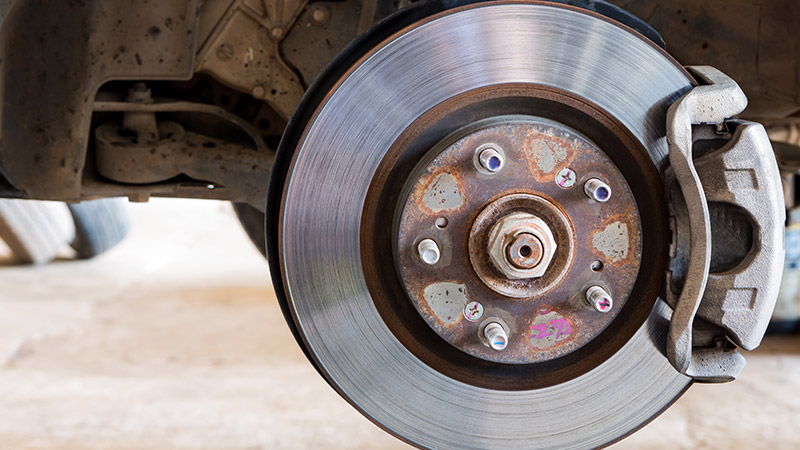
Disc brakes have become the standard braking system in most contemporary vehicles, especially on the front wheels. They consist of a rotating metal disc, or rotor, attached to the wheel. A stationary component known as the caliper straddles the rotor, housing two brake pads made of high-friction materials. When the brake pedal is pressed, hydraulic fluid actuates pistons within the caliper, forcing the brake pads against the rotor. This friction generates deceleration, enabling the vehicle to stop. The open design of disc brakes allows for exceptional heat dissipation, critical for maintaining performance during demanding driving situations.
Advantages of Disc Brakes
- Superior Stopping Power: Disc brakes deliver better stopping power and consistent performance, particularly during instances of repeated heavy braking.
- Excellent Heat Dissipation: Their structure permits rapid heat escape, significantly diminishing the risk of brake fade— a phenomenon where overheating reduces braking effectiveness.
- Better Wet Weather Performance: Water and debris can easily wash away from the rotor and pads, maintaining effective braking even in adverse conditions.
- Easier Maintenance and Inspection: The openness of disc brake components allows for straightforward visual inspections and brake pad replacements. For more cost insights, refer to our article on Brake Pad Replacement Cost: What to Expect and How to Save.
Disadvantages of Disc Brakes
- Higher Cost: Generally, disc brake systems and their components are more expensive to manufacture and replace compared to drum brakes.
- More Susceptible to Corrosion: The exposed components can be more prone to rust and corrosion if not maintained properly, especially the rotors.
Understanding Drum Brakes
Drum brakes are a more traditional but still effective braking technology. They consist of a cylindrical brake drum that rotates with the wheel. Inside the drum are two curved brake shoes lined with friction material. A wheel cylinder utilizes hydraulic pressure to expand these shoes outward against the drum. As the shoes press against the drum’s inner surface, friction is created, slowing the wheel. Drum brakes can have a “self-energizing” effect, which amplifies braking force, often reducing pedal effort.
Advantages of Drum Brakes
- Lower Manufacturing Cost: Drum brake systems are typically less costly to produce, making them often found on the rear wheels of entry-level vehicles, older models, and trailers.
- Longer Lifespan (in certain conditions): The enclosed design offers protection against external elements, potentially prolonging the durability of shoes under less demanding scenarios.
- Integrated Parking Brake: The parking brake mechanism can be easily integrated into the drum brake assembly, simplifying the overall braking system design.
Disadvantages of Drum Brakes
- Poor Heat Dissipation: The enclosed design traps heat, making drum brakes more susceptible to brake fade during prolonged or heavy braking.
- Less Stopping Power: Overall, they demonstrate less stopping power than disc brakes, particularly under demanding conditions.
- More Complex Maintenance: Servicing drum brakes can be more involved due to the presence of various springs and components inside the drum. For general brake care tips, refer to our article on Extend Your Brake Life: Essential Maintenance Tips You Need to Know.
- Performance in Wet Conditions: Water can become trapped within the drum, temporarily reducing braking effectiveness until expelled.
Performance Comparison: Key Differences
The primary distinction between disc and drum brakes lies in their performance characteristics. Disc brakes excel in scenarios requiring rapid deceleration and continuous braking, thanks to their superior heat dissipation capabilities. This characteristic makes them ideal for spirited driving, heavy loads, or emergency stops, considerably enhancing vehicle safety. Drum brakes, while adequate for lighter loads and less aggressive driving, experience diminished efficiency and increased stopping distances when pushed to their limits due to heat build-up.
According to a publication by the National Highway Traffic Safety Administration (NHTSA), advancements in brake technology, including the prevalence of disc brakes, have significantly improved both stopping performance and safety standards over the years. For detailed insights into current safety regulations, visit NHTSA.
Which is Better for Your Vehicle?
For most modern passenger vehicles, disc brakes on all four wheels are considered superior in terms of overall performance, safety, and driver confidence. They offer consistent, powerful, and fade-resistant braking, making them a major feature of many high-performance cars and SUVs designed to handle significant power and weight effectively. Understanding the benefits of upgrading your brakes can further illuminate the advantages of disc systems.
However, drum brakes still have their place. Their lower cost and potential for longer lifespan in less demanding conditions make them a suitable option for the rear wheels of some economy cars, older trucks, and trailers where their performance limitations are less critical. They provide sufficient performance for routine stopping and parking functions in these applications.
Ultimately, the choice between disc and drum brakes should consider your vehicle’s design, its intended use, and your budget. Most newly manufactured vehicles come equipped with a braking system uniquely optimized for their intended class and performance requirements. Regardless of the brake system installed, conducting regular maintenance is crucial to ensuring that your vehicle stops safely and reliably.
Understanding the differences between disc and drum brakes empowers you to grasp your car’s capabilities fully and engage confidently with your mechanic. Always prioritize regular brake inspections and address any unusual sounds or performance issues immediately for your safety on the road.