The health of your vehicle’s braking system is paramount for safety on the road. Among the most common maintenance tasks is replacing brake pads, a service every car owner will eventually face. Understanding the typical brake pad replacement cost and the factors that influence it can help you budget effectively and avoid unexpected expenses. This comprehensive guide will break down what to expect when it comes to replacing your brake pads and offer actionable tips on how to save money without compromising safety.
Understanding Brake Pad Replacement Costs: What to Expect
The average cost to replace brake pads varies significantly depending on several key factors. On average, you can expect to pay between $100 and $300 per axle for brake pad replacement alone. This means replacing both front or both rear brake pads would fall within this range. If both front and rear pads need replacement, the total cost could range from $200 to $600, depending on labor and parts.
It’s essential to consider that these estimates can fluctuate based on location, type of vehicle, and specific service needs. Typically, you can anticipate spending more on luxury or high-performance vehicles due to specialized parts and labor.
Factors Influencing the Price
Several elements contribute to the overall brake pad replacement cost:
- Vehicle Make and Model: Luxury cars, performance vehicles, and larger SUVs or trucks often require more specialized and expensive brake pads and rotors compared to economy cars.
- Brake Pad Material: The type of material used for your brake pads significantly impacts cost. Common types include organic, semi-metallic, and ceramic pads, each with distinct advantages and prices.
- Labor Costs: Mechanics’ hourly rates vary by location and the specific repair shop, from dealerships to independent garages. Labor costs for brake pad replacement typically range from $80 to $120 per axle, but this can be higher in urban areas.
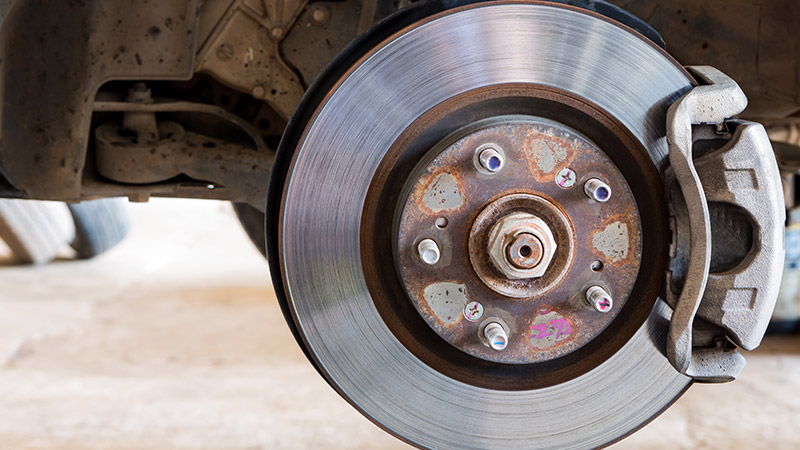
- Rotor Condition: Often, brake rotors need to be replaced or resurfaced along with the pads. If rotors are included, the cost can escalate to $250-$500 per axle or $500-$1,000 for the entire vehicle. Replacing new pads on worn rotors can lead to faster wear and potential safety issues.
- Additional Components: Sometimes, other brake system parts like calipers or hardware might need replacement, adding to the total expense. Regular inspections can help identify these needs before they escalate.
Types of Brake Pads and Their Costs
The material of your brake pads influences performance, longevity, and price. For a deeper dive into the differences between them, read our article on the difference between ceramic and metallic brake pads.
- Semi-Metallic Pads: Composed of metal fibers and other friction materials, these pads offer aggressive stopping power and good heat resistance, making them suitable for heavy-duty use or aggressive driving. They are generally more affordable, with parts ranging from $35-$80 per wheel, but can be noisier and produce more dust.
- Ceramic Pads: Made from a composite of ceramic fibers, these pads are known for quiet operation, low dust production, and longer lifespan, often exceeding 75,000 miles. They are considered a premium option, costing more, typically $50-$150 per wheel.
When Do You Need New Brake Pads?
Brake pads don’t last forever. Their lifespan typically ranges from 25,000 to 70,000 miles but can vary greatly based on driving habits, vehicle type, and environment. Urban driving, characterized by frequent stops, generally leads to faster wear compared to highway driving. It is recommended to replace brake pads when they reach a thickness of 3-4mm to maintain optimal braking performance.
Warning Signs of Worn Brake Pads
Your vehicle will usually give you clear indicators when it’s time for new brake pads:
- Squealing or Screeching: A high-pitched squeal when braking often signals that the brake pad wear indicators are rubbing against the rotor, indicating it’s time for replacement.
- Grinding Noise: A deep, metallic grinding sound indicates severe wear, meaning the metal backing plate of the pad is scraping the rotor. This can cause significant damage and increase repair costs.
- Vibration or Pulsation: A vibrating brake pedal or steering wheel may suggest warped rotors, often a consequence of severely worn pads.
- Reduced Responsiveness: If your brakes feel less effective or the brake pedal feels soft and sinks closer to the floor, it is crucial to get them inspected.
- Dashboard Warning Light: Many modern cars are equipped with sensors that illuminate a dashboard light when brake pads are excessively worn down.
Ignoring these signs can lead to serious safety issues and much more expensive repairs. Learn more about the dangers of driving with worn-out brakes.
How to Save on Brake Pad Replacement Costs
While brake replacement is a non-negotiable safety expense, there are smart ways to manage and potentially reduce the costs.
1. Don’t Procrastinate on Repairs
Waiting until you hear a grinding noise is the most expensive mistake you can make. Addressing a squeal early on can prevent damage to your rotors and other components, which often doubles the repair cost. Timely maintenance saves money in the long run.
2. Get Multiple Quotes
Prices for the same brake job can vary widely among auto repair shops. Contact at least three reputable shops for a detailed quote, specifying your vehicle’s make, model, and year. This ensures you have comparable estimates.
3. Consider Supplying Your Own Parts
Some mechanics allow customers to supply their own parts, which can save money, as shops often mark up parts significantly. Quality brake pads and rotors can be purchased online or from auto parts stores. However, ensure the parts meet manufacturer specifications for safety and performance.
4. Choose Quality Over Cheap
While it’s tempting to opt for the cheapest parts, investing in higher-quality brake pads that last longer can save you money on future replacements and provide better performance. AutoZone provides a detailed breakdown of professional repair costs, suggesting that quality parts typically range from $35 to $150 per axle.
5. Practice Smart Driving Habits
Your driving style significantly impacts brake pad lifespan. Sudden, aggressive braking can accelerate wear. Instead, coast and slow down gradually by anticipating traffic and lights. Using engine braking on downhill slopes can also help reduce wear. These habits are key to extending your brake life.
For more tips on how driving habits affect brake wear, you can refer to resources like AAA Automotive.
6. DIY Replacement (with caution)
If you have mechanical experience and the right tools, replacing brake pads yourself can eliminate labor costs entirely. Typically, parts for a mid-size car can start at $50-$100 per axle for DIY jobs. However, brake systems are critical safety components. Mistakes in this area can lead to dangerous brake failure. If you’re uncertain, it’s always best to consult a professional, as highlighted by Firestone Complete Auto Care.
Conclusion
Understanding brake pad replacement cost involves recognizing the various factors that contribute to the final bill, from your vehicle type to the chosen pad material and labor rates. By being proactive with maintenance, shopping around for quotes, considering quality parts, and adopting smart driving habits, you can effectively manage these essential vehicle expenses. Prioritizing the health of your braking system is not just about your wallet; it’s about ensuring your safety and the safety of everyone on the road.
FAQs
What are the average brake pad replacement costs?
The average cost typically ranges from $100 to $300 per axle, depending on make, model, and type of brake pads used. Luxury vehicles may incur higher costs.
How can I tell if my brake pads need replacing?
Watch for signs like squealing, grinding noises, reduced responsiveness, or dashboard warning lights indicating worn pads.
Can I replace brake pads myself?
Yes, if you have the necessary skills and tools. However, improper installation can lead to serious safety issues, so it’s crucial to follow guidelines or consult a professional if unsure.
Are more expensive brake pads worth it?
Quality pads often provide better performance, longer lifespan, and may save you money on future maintenance, making them a worthy investment.