Your vehicle’s braking system is arguably its most critical safety feature. Neglecting your brakes not only puts you and others at risk but can also lead to significantly more expensive repairs down the line. This comprehensive guide will equip you with essential knowledge to extend your brake life through effective maintenance practices.
Understanding the importance of brake maintenance is key to ensuring safety on the road. According to the National Highway Traffic Safety Administration (NHTSA), brake-related issues are a significant contributor to vehicle accidents. Regular maintenance and timely interventions can prevent these incidents and enhance your vehicle’s longevity.
Understanding Your Brake System
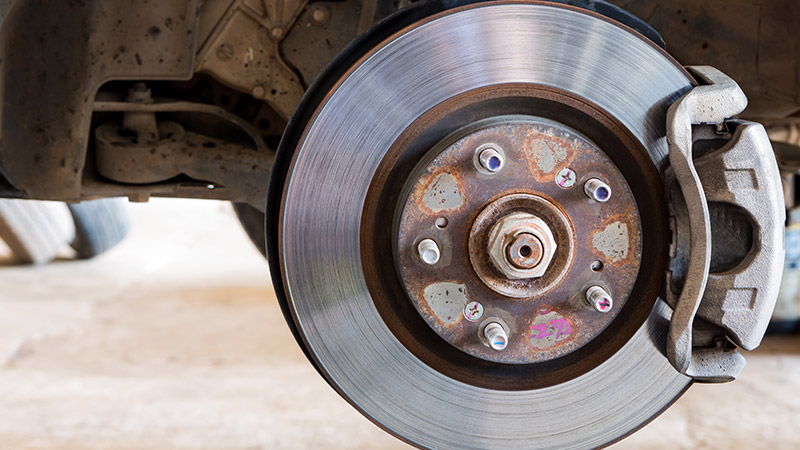
Before diving into maintenance, it’s helpful to understand the core components. Your car’s brakes rely on a hydraulic system, which transfers pressure from the pedal to the wheels. This system involves:
- Brake Pads: These press against rotors to create the necessary friction to stop the vehicle.
- Rotors: These disc-like components are clamped by the brake pads to slow down or stop the vehicle.
- Calipers: These house the brake pads and apply pressure to them when you engage the brakes.
- Brake Fluid: This hydraulic fluid transmits force from the pedal to the calipers, ensuring optimal brake function.
The Lifespan of Your Stopping Power Components
The longevity of your brake components is not fixed; it varies based on several factors, including material composition and driving conditions.
Brake Pads
On average, brake pads can last anywhere between 30,000 to 70,000 miles, or approximately 3 to 7 years. Various materials affect lifespan significantly. Organic brake pads typically require replacement after 30,000 to 35,000 miles, while premium ceramic or metallic options can last up to 70,000 miles. Frequent checks for any wear indicators or changes in performance are advisable to avoid costly repairs.
Brake Rotors
Brake rotors generally endure longer than pads, typically last between 50,000 to 70,000 miles. It’s common for rotors to endure through three or four brake pad changes before replacement is necessary. If you notice grooves or warping, having them resurfaced might extend their lifespan. However, often, it’s more cost-effective to replace rather than resurface, given the advancements in rotor design and manufacturing.
Essential Maintenance Tips to Extend Brake Life
Proactive care is the best way to ensure your brakes perform optimally and last longer.
Regular Inspections are Crucial
Experts recommend having your brakes inspected at least once a year or every 12,000 miles, whichever comes first. If you frequently drive in stop-and-go traffic, carry heavy loads, or navigate hilly terrain, more frequent inspections—every 6-9 months—are advisable. Regular checks can catch minor issues before they become major problems, saving you money in the long run.
Monitor Your Brake Fluid
Brake fluid is the lifeblood of your brake system and is vital for effective braking. It should be changed every two years or every 30,000 miles, depending on driving conditions. Moisture absorption in brake fluid can reduce its effectiveness, causing a potentially dangerous situation known as brake fade. For detailed guidance on this critical service, check out our article on How to Bleed Your Car’s Brakes and Keep Your Stopping Power at Its Best.
Choose the Right Brake Pads
The type of brake pads you use significantly impacts brake performance and longevity. Understanding the differences among materials such as ceramic, organic, and metallic pads can help you make an informed choice that best suits your driving needs. For a more in-depth comparison, explore our article: The Difference Between Ceramic and Metallic Brake Pads.
Practice Smart Driving Habits
Your driving style is a major factor in how quickly your brakes wear out. Avoiding aggressive braking, maintaining a safe following distance, and anticipating traffic flow can significantly prolong the life of your brake components. Smooth, gradual deceleration helps minimize wear on all braking elements.
Address Warning Signs Promptly
Your vehicle often provides clear indicators when something is wrong. Keep an ear out for squealing or grinding noises, which can signal worn brake pads. Other indicators include extended stopping distances, vibrations in the brake pedal, or the car pulling to one side. These warning signs should not be ignored, as they may indicate more severe issues that require immediate attention. For more insights on diagnosing brake problems, refer to our article on Common Brake Problems and How to Fix Them Easily.
Tire Rotation and Alignment
While not directly part of the brake system, properly maintained tires help ensure even brake wear. Regular tire rotation and proper alignment contribute to your overall braking efficiency, reducing the likelihood of premature wear caused by unequal stress.
The Undeniable Benefits of Proactive Brake Maintenance
Investing time and a little money in preventative brake care yields significant returns.
Enhanced Safety
Well-maintained brakes are paramount for your safety. Data from 2015 reports indicated that approximately 22% of collisions involving light vehicles were due to brake-related problems. Keeping your brake system in top condition not only enhances your vehicle’s reliability but is crucial for your safety and that of others on the road. To ensure optimal performance, visit the National Highway Traffic Safety Administration (NHTSA) for more safety guidelines.
Significant Cost Savings
Proactive maintenance can prevent small issues from evolving into expensive repairs. For instance, replacing worn brake pads proactively can save hundreds compared to the cost of a full brake system overhaul. Regular inspections and maintenance cost about $250 annually, potentially saving you upwards of $800 in exorbitant system replacements.
Extended Component Longevity
Consistent maintenance can considerably extend the lifespan of your brake pads, rotors, and calipers, resulting in fewer replacements and a more reliable vehicle over its lifetime. Such practices can enhance fuel efficiency by minimizing unnecessary friction in the system.
Ultimately, taking a proactive approach to your vehicle’s brakes is a smart decision for your safety and your wallet. By understanding the components, following essential maintenance tips, and recognizing warning signs, you can confidently extend your brake life and enjoy a safer, more efficient driving experience.