Your vehicle’s brake pads are not merely components; they are vital guardians of your safety on the road. By mastering the essential care and maintenance of these pads, you can significantly enhance their lifespan while also improving your vehicle’s overall performance. This proactive approach not only boosts your safety but also helps save money on unnecessary repairs.
This comprehensive guide will equip you with strategies to extend the longevity of your brake pads. With insights into the factors that contribute to wear and tear, alongside a proactive maintenance routine, you’ll be on your way to keeping your brakes in peak condition.
What Factors Impact How Long Brake Pads Last?
The lifespan of brake pads is influenced by several key elements, including their material composition, usage environments, and adherence to a consistent maintenance schedule. Typically, brake pads efficiently function for about 30,000 to 70,000 kilometers. However, this range can vary widely based on the quality of the pads and your unique driving habits.
When Should I Inspect My Brake Pads?
Regular inspections are crucial to maintaining the excellent condition of your brake pads. Experts suggest checking your brake pads every 10,000 kilometers. Pay close attention to their thickness; if it drops below 3 mm, immediate replacement is necessary to safeguard the integrity of your braking system.
What Type of Brake Fluid is Recommended?
Choosing the right brake fluid is essential. Always adhere to your vehicle manufacturer’s specifications. Common choices like DOT 3 and DOT 4 are popular, with DOT 4 offering a higher boiling point that makes it suitable for more demanding driving conditions. This choice can enhance your brakes’ responsiveness and reliability.
How Does Climate Affect Brake Pad Durability?
Extreme weather conditions can significantly impact the performance of brake components. In icy climates, snow and frost can accelerate corrosion, while high temperatures may lead to overheating and reduced braking effectiveness. Understanding how climate influences your brakes is crucial for maintaining their optimal performance.
Why is Regular Brake Maintenance So Important?
Consistent maintenance is your best defense against premature wear and potential damage. Regular check-ups not only extend the life of your brake pads but also guarantee optimal braking performance, enhancing your safety on the road. Addressing worn components proactively can help you sidestep more extensive and costly issues down the line.
What Does Basic Brake Maintenance Entail?
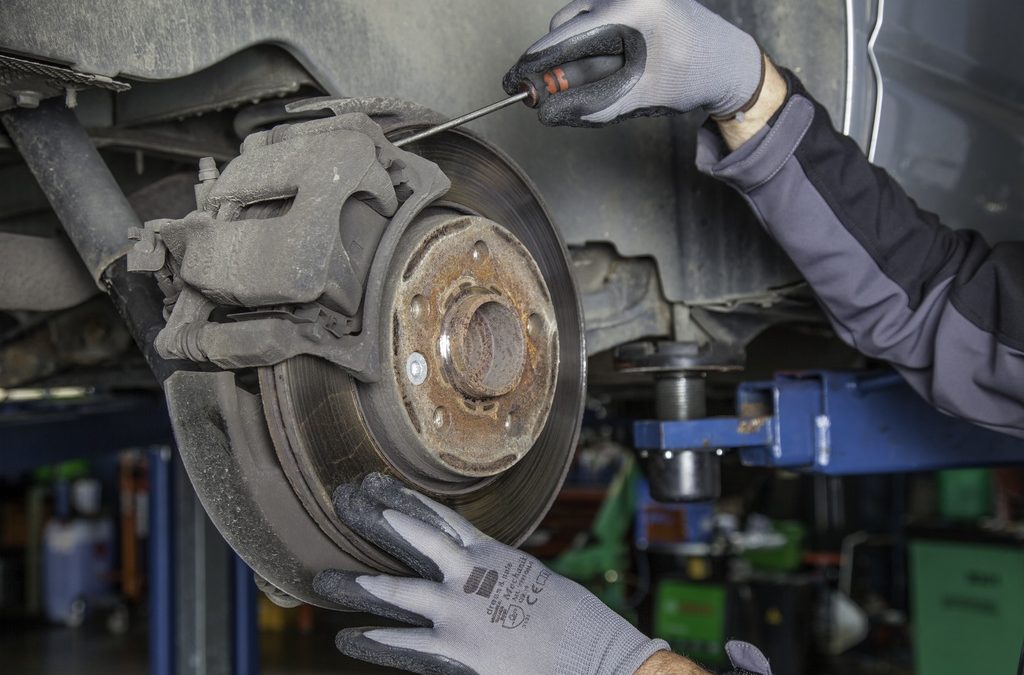
A thorough brake check-up should include:
- Pad Thickness Inspection: Ensure pads meet minimum thickness standards for safety.
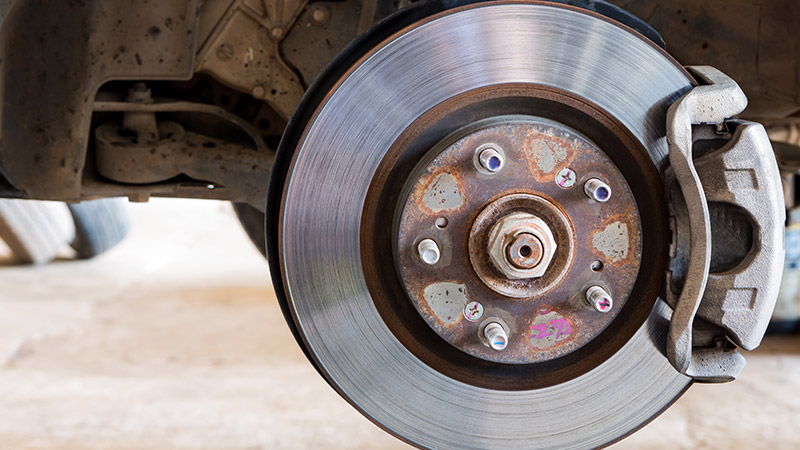
- Disc and Fluid Check: Examine brake discs for signs of wear and check the condition and level of brake fluid.
- Caliper Verification: Assess the operational status of brake calipers to ensure they function properly.
Understanding Different Brake Pad Types
The material composition of your brake pads plays a vital role in their durability and performance. Below is a quick comparison of various types:
| Pad Type | Estimated Durability (km) | Typical Fluid Boiling Point (°C) |
|---|---|---|
| Organic | 30,000 – 50,000 | 205 |
| Semi-metallic | 50,000 – 70,000 | 260 |
| Ceramic | 40,000 – 60,000 | 300 |
What If I Hear Noises When Braking?
Any unusual sounds when braking often indicate that your pads are worn or contaminated. It’s critical to inspect your braking system immediately upon hearing these noises. If wear is confirmed, prompt replacement is essential to prevent potentially catastrophic failures.
When Should Brake Pads Be Replaced?
In addition to the regular inspections every 10,000 km, the primary indicator for replacing brake pads is when their thickness drops below 3 mm. Ignoring this important warning can lead to accelerated and uneven wear on your brake discs, resulting in costly repairs.
Can Driving Habits Extend Pad Life?
Absolutely! Embracing smooth driving habits—such as anticipating stops and avoiding sudden braking—can greatly extend the lifespan of your brake pads. Your driving behavior is directly linked to the wear rates of these crucial components.
What Are the Key Signs of Brake Pad Wear?
Be attentive to warning signs that indicate brake pad wear: high-pitched squealing noises, vibrations in the brake pedal, or a noticeable decline in braking responsiveness. If you experience any of these symptoms, conducting an immediate inspection is essential.
What Specific Winter Brake Maintenance is Beneficial?
During the cold months, focused maintenance is key to protecting your brakes from the harsh effects of low temperatures and moisture. Prioritize assessments of pad condition, monitor brake fluid levels meticulously, and consider applying anti-corrosion treatments where appropriate to ensure effective braking performance.
How Do Different Driving Conditions Affect Pad Wear?
Challenging terrains, such as steep mountain roads and stop-and-go urban traffic, can significantly accelerate brake pad wear. The continual cycle of braking and accelerating generates more heat and friction, leading to faster degradation of your brake components.
Where Can I Find More Brake Maintenance Resources?
For further insights into brake care and vehicle maintenance, explore these helpful resources:
- When and How to Replace Brake Pads: A Practical Guide
- Electric Vehicle Brake Maintenance: What You Need to Know
- How Car Brake System Works
Frequently Asked Questions About Brake Pad Maintenance
How often should brake pads be inspected?
Regular inspections every 10,000 kilometers are recommended to ensure your brake pads remain in good condition.
Which brake fluid is best to use?
Always select brake fluid that meets your vehicle manufacturer’s specifications. DOT 3 and DOT 4 are common choices, with DOT 4 being the preferred option for more demanding driving conditions.
Do noises when braking always indicate a problem?
Yes, any unusual braking noises are significant warning signs of potential wear or contamination in your brake pads, necessitating an immediate inspection.
What is the ideal temperature range for brake fluid?
For example, DOT 4 brake fluid boasts a boiling point of up to 260 °C, ensuring consistent performance across various driving conditions.