The brake system is the lifeline of your vehicle, ensuring swift and secure stops on every journey. Understanding its intricate components not only enhances your awareness but also empowers you to drive with increased confidence and safety.
By grasping the mechanics of the brake system, you equip yourself with essential knowledge for vehicle maintenance, transforming every ride into a safer experience. Let’s explore the specifics of this critical system together.
What Are the Key Components of the Brake System?
Familiarizing yourself with these essential parts is crucial for maintaining optimal braking performance:
- Brake Pads: These should be replaced once the thickness falls below 3 mm to ensure effective stopping power and avoid expensive damage to other components.
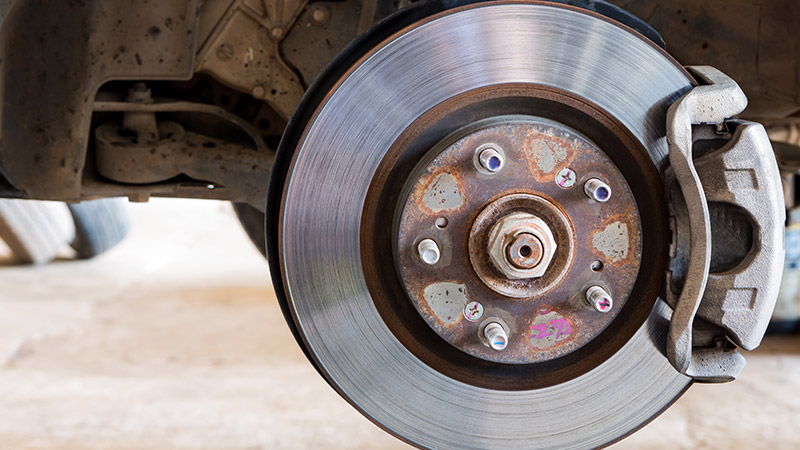
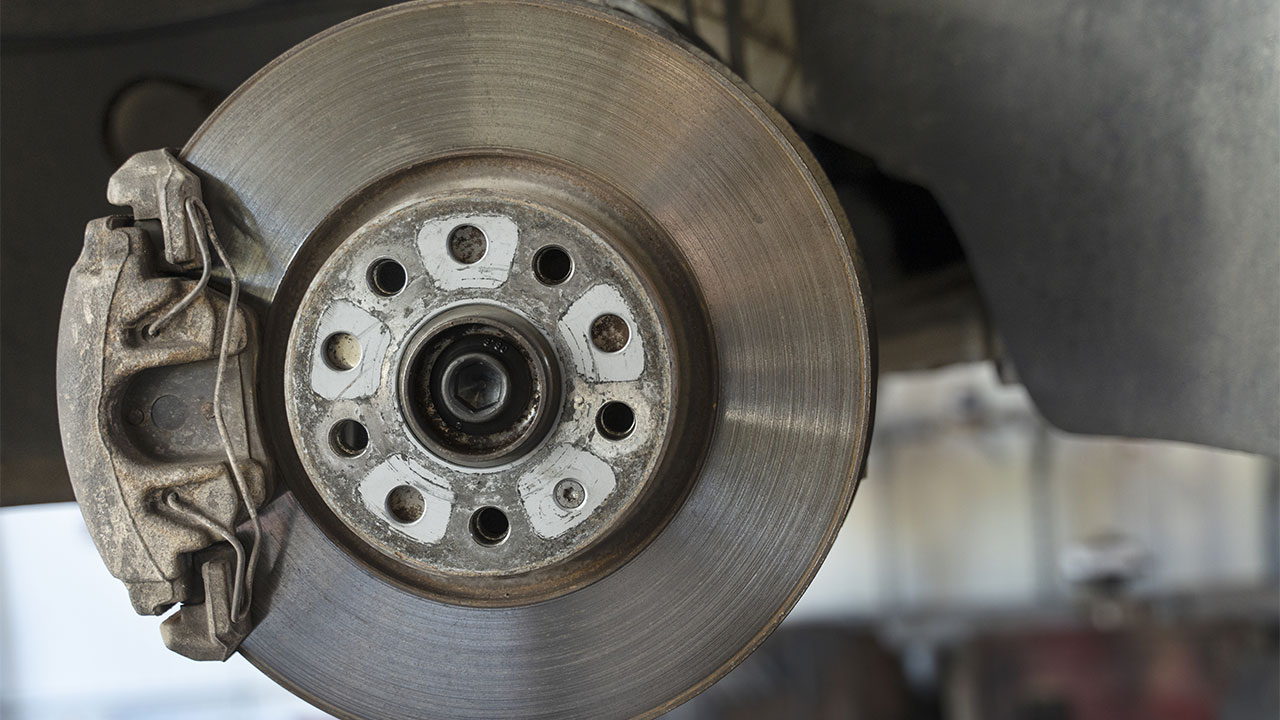
- Brake Discs: Regular inspections for wear during maintenance are essential to prevent unexpected failures and ensure safety.
- Brake Fluid: The type of brake fluid you use, like DOT 3 or DOT 4, has distinct boiling points that directly affect braking efficiency.
- Calipers: These components apply the necessary pressure on the brake pads, playing a critical role in effective braking.
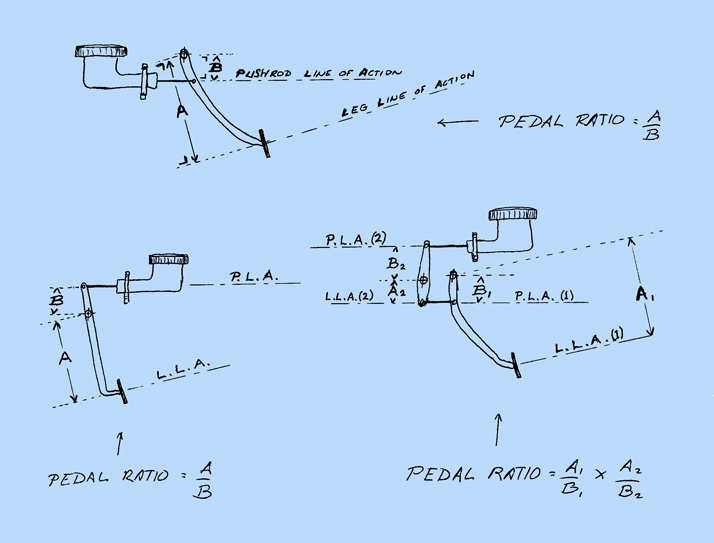
- Master Cylinder: This crucial part converts foot pressure into hydraulic force, activating the brakes efficiently for powerful stops.
How Do These Components Interact in the Brake System?
When you press the brake pedal, hydraulic pressure travels from the master cylinder to the calipers. The calipers then force the brake pads against the discs, creating friction that slows down your vehicle. This seamless interaction ensures safe and controlled stops every time.
What Types of Brake Systems Exist?
| Type of System | Description | Common Application |
|---|---|---|
| Disc | Utilizes metallic discs pressed by brake pads, providing powerful stopping ability. | Passenger cars and sports vehicles. |
| Drum | Involves brake pads pressing against an internal drum, generating sufficient friction. | Older and budget-friendly models. |
| ABS (Anti-lock Braking System) | Prevents wheel lock during sudden braking, significantly enhancing safety. | Most modern vehicles. |
| EBD (Electronic Brakeforce Distribution) | Distributes braking force to wheels based on load, ensuring stable stopping. | Vehicles designed for carrying heavy cargo, such as vans. |
What Role Do Calipers Play in the Brake System?
Calipers are mechanical devices that are essential for braking performance. They house pistons that press the brake pads against the discs during braking, transforming hydraulic energy into mechanical force. This process ensures your car halts safely and effectively.
How Does Brake Fluid Quality Affect Performance?
Brake fluid, classified under standards such as DOT 3 and DOT 4, should be checked every 10,000 kilometers. Its quality directly impacts the boiling point, a crucial factor for maintaining the efficiency of the hydraulic system, vital for effective braking. For more information on maintenance, visit our article on Electric Vehicle Brake Maintenance.
What Steps Should You Take for Efficient Brake System Maintenance?
To ensure your brakes continue to perform at their best, follow these critical maintenance practices:
- Conduct thorough inspections of all components at least every 10,000 kilometers.
- Replace brake pads promptly when thickness drops below 3 mm to maintain safety.
For more comprehensive maintenance tips, explore our Improving Brake Systems in Classic Vehicles.
Frequently Asked Questions (FAQ)
How often should I check my brake fluid?
Brake fluid should be inspected every 10,000 kilometers to ensure optimal vehicle performance.
When should I replace my brake pads?
Brake pads should be replaced immediately once their thickness drops below 3 mm to maintain effective stopping power.
What type of brake fluid should I use?
Choose DOT 3 or DOT 4 brake fluid based on your vehicle manufacturer’s specifications.