Your vehicle’s braking system is more than just a set of components—it is the lifeline of safety on the road. Identifying the unmistakable signs of worn brakes is critical to preventing hazardous situations and avoiding hefty repair bills. By proactively maintaining your braking system, you ensure that your vehicle operates at peak effectiveness, protecting both you and your passengers.
Is Your Vehicle Emitting Squealing Noises When Braking?
If you hear a high-pitched squeal while braking, this isn’t just an annoying sound. It’s a direct warning that your brake pads are worn. This noise comes from an integrated metal wear indicator built into the pad. Once the pad material shrinks to a dangerously low thickness, generally under 3mm, this indicator comes into contact with the brake rotor, alerting you that immediate action is required.
Neglecting to replace brake pads that have exceeded the 3mm threshold can lead to severe damage to the brake rotors, resulting in escalating repair costs. Ensure your safety by addressing this issue promptly.
Are You Feeling Steering Wheel Vibrations While Applying Brakes?
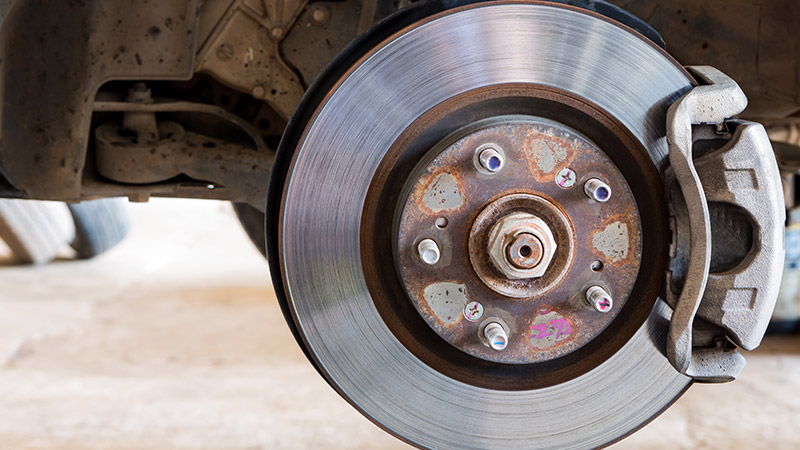
A pulsating sensation in the steering wheel during braking is a strong indication that your brake rotors may be warped. Warping can occur from excessive heat generated by aggressive braking or from rapid temperature changes.
These vibrations signal that the rotor surface has lost its original flatness. To prevent more significant issues, inspect your brake rotors for warping approximately every 10,000 kilometers (6,200 miles).
Has Your Vehicle’s Stopping Distance Noticeably Increased?
If you’ve noticed that your vehicle takes longer to come to a complete stop, that’s a major safety concern. Increasing stopping distances are often a sign that your brake pads are excessively worn and are failing to generate adequate friction against the rotors.
Make sure to have your brakes examined if you haven’t done so within the last 30,000 to 70,000 kilometers (18,600 to 43,500 miles). Ignoring this could compromise your vehicle’s stopping capability.
Are You Observing Brake Fluid Leaks Under Your Vehicle?
If you see fluid pooling underneath your vehicle, especially if it’s clear or slightly oily, you may be dealing with a brake fluid leak. The hydraulic braking system needs brake fluid to transmit force from the pedal to the calipers. A leak can hinder the system’s ability to build necessary hydraulic pressure, severely impacting braking performance.
Such a problem calls for immediate evaluation by a certified technician. For detailed guidance on diagnosing and repairing brake fluid leaks, refer to The Ultimate Guide to Diagnosing and Fixing Brake Fluid Leaks Safely.
Is Your Dashboard Brake Warning Light Illuminated?
Your dashboard features several vital alerts, and the brake warning light—often depicted as a red circle with an exclamation mark—is one of the most critical. This light indicates a potential problem with your braking system that should not be overlooked.
Causes may range from low brake fluid levels to significantly worn brake pads or issues with other braking components. Ignoring this light can lead to severe safety hazards, so a thorough inspection of your brake system is essential.
What is the Minimum Brake Pad Thickness Before Replacement is Required?
Brake pads should be replaced once their thickness falls below 3mm. This is a universally acknowledged safety standard to maintain adequate braking performance. Keeping a close eye on pad thickness can prevent dangerous driving conditions.
What Decibel Level Indicates Worn Brake Pads?
While there is no universal decibel level that all manufacturers recognize for worn brakes, the intrusive high-pitched squeal produced by the wear indicator serves as a critical auditory sign. This noise is designed to be loud enough to capture the driver’s attention, signaling an urgent need for inspection.
By What Percentage Does Braking Distance Increase with Worn Brakes?
The increase in braking distance due to wear can vary widely depending on multiple factors including level of wear, vehicle weight, tire condition, and road surface. However, significantly worn brake pads can extend stopping distances by as much as 20-30% or more under less-than-ideal conditions, posing a major safety risk.
How Can Brake Pad Condition Be Quantitatively Assessed?
To quantitatively assess the condition of brake pads, measure their thickness. The table below provides a helpful guide:
| Pad Condition | Thickness (mm) | Recommendation |
|---|---|---|
| Excellent | 8-10 | No action required |
| Good | 4-7 | Re-inspect at 5,000 km (approximately 3,100 miles) |
| Poor | Less than 3 | Replace immediately |
What Components Require Comprehensive Brake Inspection?
A full brake system assessment should carefully inspect the following critical components:
- Brake Pads: Measure thickness; replace if less than 3mm.
- Brake Rotors: Visually inspect for warping, surface scoring, or uneven wear patterns.
- Brake Fluid: Check fluid level within the manufacturer’s specified range and examine fluid condition. Always use the exact DOT fluid type recommended in the owner’s manual.
Why Are Periodic Brake Inspections Essential?
Regular brake inspections aren’t merely recommendations; they are essential for safe vehicle operation. Industry standards advocate for comprehensive brake checks every 10,000 kilometers (about 6,200 miles).
This vital routine ensures the braking system’s integrity, keeping it prepared for all driving situations. Identifying wear early can prevent minor issues from evolving into serious safety threats.
What Action Should Be Taken If Signs of Worn Brakes Are Detected?
If you observe any signs of worn brakes, do not delay—schedule an appointment with a certified mechanic specializing in automotive braking systems. They will provide a thorough diagnosis and perform necessary repairs to ensure your braking performance and safety are restored promptly.
Frequently Asked Questions
How Frequently Should My Vehicle’s Brakes Be Inspected?
The industry-standard recommendation is to undergo comprehensive brake inspections every 10,000 kilometers (approximately 6,200 miles).
What Are the Definitive Signs of Worn Brake Rotors?
Inspect your brake rotors for lateral runout (warping), uneven wear, or deep scoring. High mileage or repeated overheating instances can accelerate rotor wear.
Which Specific Type of Brake Fluid is Recommended for My Vehicle?
Refer to your vehicle’s owner’s manual for the specific brake fluid type, which usually falls under DOT 3, DOT 4, or DOT 5.1. Using the incorrect fluid can damage your braking system.