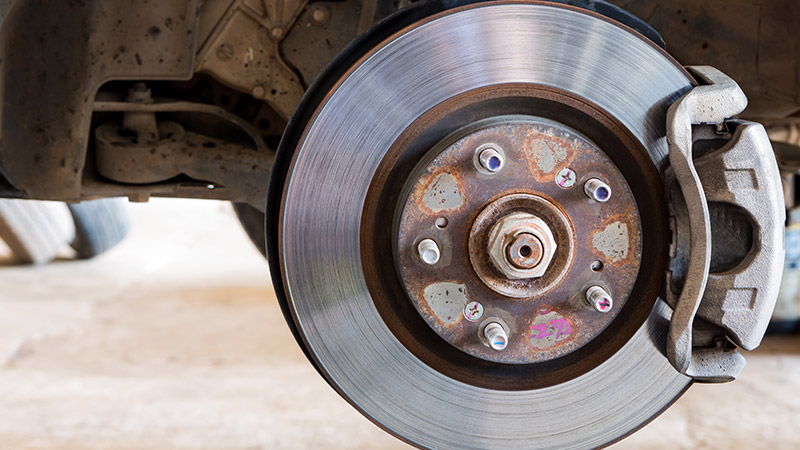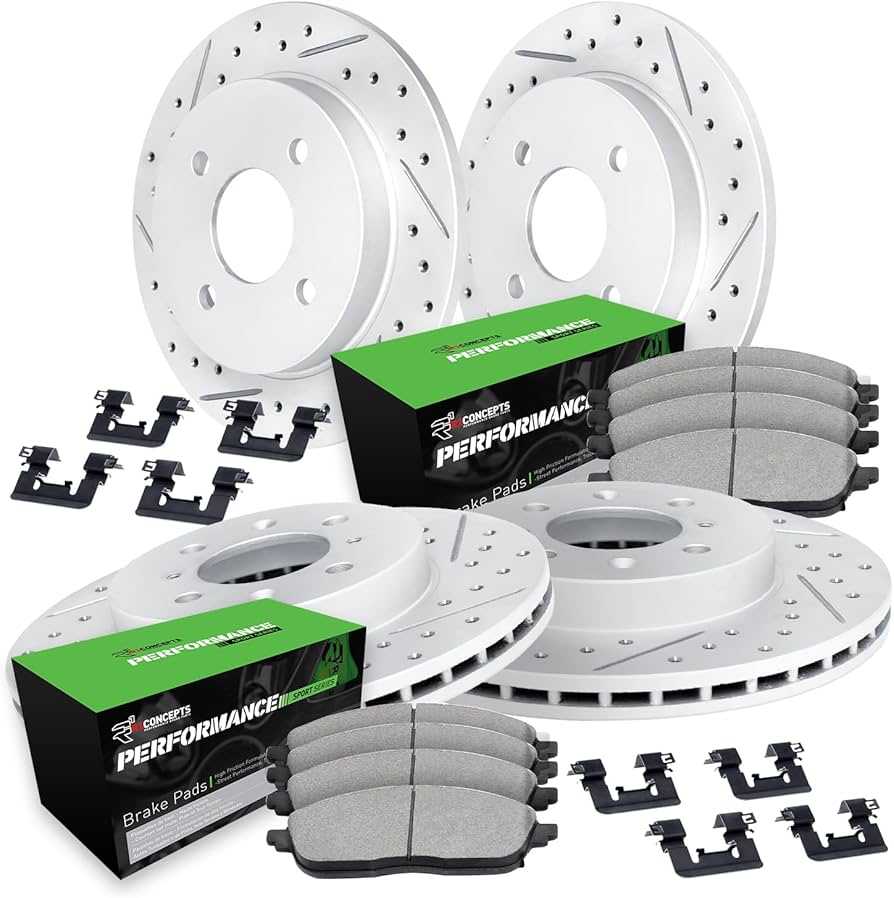
Are you ready to elevate your vehicle’s safety and performance in demanding driving scenarios? Investing in high-performance brakes is essential. These advanced braking systems are designed to provide superior stopping power and exceptional durability, making them ideal for car enthusiasts and daily commuters alike.
Crafted with cutting-edge technology, high-performance brakes surpass the capabilities of traditional braking systems. Experience unparalleled confidence as you navigate various driving conditions, from city streets to rugged terrains.
What Are High-Performance Brakes?
High-performance brakes are engineered specifically for extreme driving conditions, far exceeding the capabilities of standard brake systems. Thanks to improved heat dissipation, durable materials, and optimized designs, they deliver maximum performance, regardless of the situation.
What Are the Advantages of Installing High-Performance Brakes?
- Improved Stopping Power: Experience an impressive reduction in stopping distances by up to 30% when compared to conventional brakes.
- Increased Durability: Components typically last between 31,000 and 62,000 miles, depending on your driving habits and conditions.
- Enhanced Heat Dissipation: Equipped with materials like carbon-ceramic, these brakes tolerate temperatures up to 2400°F (1300°C) without compromising performance.
What Materials Are Used in High-Performance Brakes?
The effectiveness of high-performance brakes largely depends on the materials utilized. Here is a breakdown of common options:
- Carbon-Ceramic: Exceptionally lightweight and capable of withstanding extreme heat.
- Sintered Metal: Provides remarkable wear resistance, making it perfect for track conditions.
- Carbon Composites: Delivers aggressive braking capabilities while enhancing vehicle control.
Comparative Table of High-Performance Brake Types
| Brake Type | Material | Stopping Distance (m) |
|---|---|---|
| Carbon-Ceramic Brakes | Carbon-Ceramic | 10 – 15 |
| Sintered Metal Brakes | Sintered Metal | 12 – 17 |
| Composite Brakes | Carbon Composites | 9 – 14 |
How Do High-Performance Brakes Compare to Standard Brakes?
High-performance brakes significantly outshine standard options in terms of responsiveness. They excel in high-speed situations and exhibit lower wear rates, ensuring enhanced longevity and reliability over time.
What Considerations Should I Keep in Mind When Installing High-Performance Brakes?
Before proceeding with installation, confirm that your vehicle is compatible with high-performance brake systems. Also, choose brake fluid that meets DOT 4 or higher standards to ensure optimal performance in demanding conditions.
FAQ
How Often Should I Check My High-Performance Brakes?
Regular inspections are critical; ensure you check your brakes every 6,000 miles or after extensive driving to maintain peak performance.
Can I Use Standard Brake Pads with High-Performance Brakes?
It’s not recommended to use standard brake pads, as they are unable to withstand the extreme temperatures and forces generated by high-performance systems.
What Brake Fluid Should I Use with High-Performance Brakes?
Select brake fluid that meets DOT 4 specifications or higher to maximize the efficiency and safety of your braking system.
How to Maintain Your High-Performance Brakes?
To keep your high-performance brakes functioning at their best, consistent cleaning and the use of specialized maintenance products are essential. For more insights on maintaining your brakes, check out our articles on Advanced Braking Techniques for High-Performance Driving, Best SUV Brake Types: Comparison and Recommendations, and Improving Brake Systems in Classic Vehicles: All You Need to Know.