As winter’s icy grip envelops our roads, the reliability of your vehicle’s braking system becomes crucial. Effective brake maintenance is not merely a recommendation; it’s a matter of safety, especially when navigating through snow and ice. In this essential guide, we explore vital practices every driver should adopt to ensure a secure ride throughout the frigid season.
Severe winter conditions can swiftly undermine your brake components, posing significant risks. To maintain optimal braking efficiency, conducting regular inspections every 10,000 kilometers (approximately 6,000 miles) is essential. This proactive step ensures your vehicle can tackle winter’s challenges head-on.
Why Is Winter Brake Maintenance So Critical?
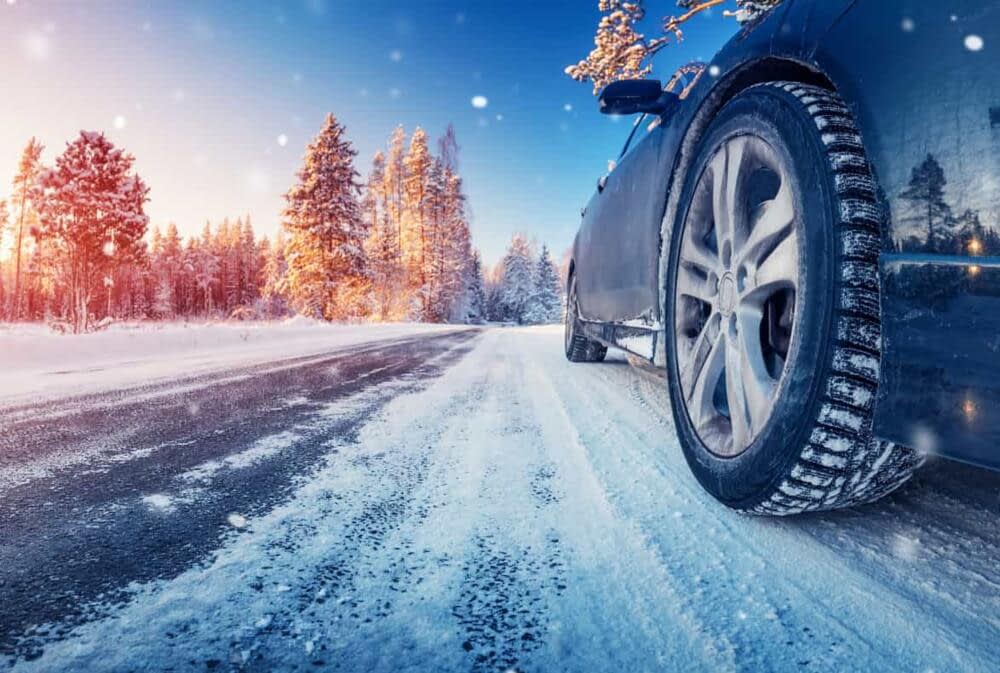
Winter weather creates a trifecta of challenges: ice, snow, and road salt. These factors contribute to corrosion and debris accumulation on brake rotors and pads, severely limiting your stopping power. The result? An alarming risk on slick surfaces.
Additionally, the cold can cause brake components to contract, leading to dangerously extended stopping distances. Moisture lurking in brake fluid poses another risk, potentially compromising performance and inviting internal corrosion—a silent yet formidable adversary on the road.
What Brake Components Require Extra Attention in Cold Weather?
Focusing on key brake components can dramatically enhance your winter driving safety:
- Brake Pads: Regularly inspect for wear levels. If the pad material falls below 3 mm, immediate replacement is crucial; worn pads severely hinder stopping capabilities.
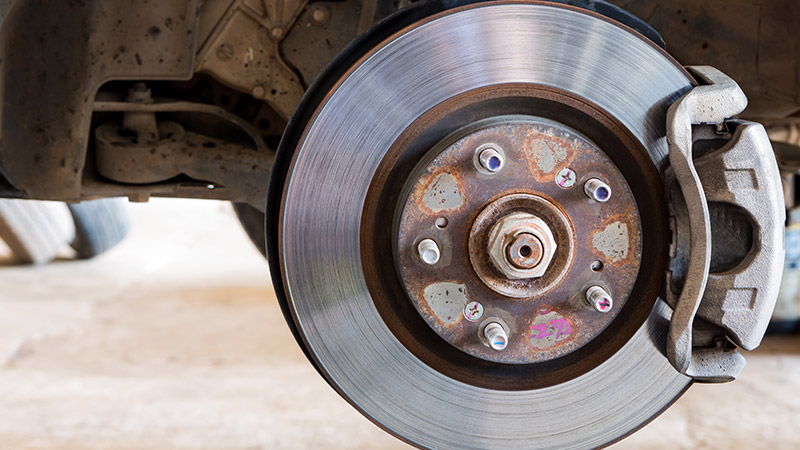
- Brake Rotors: Check for warping or deformation, often a result of sudden temperature shifts. Such issues may lead to vibrations and uneven braking, jeopardizing vehicle control.
- Brake Fluid: Ensure your brake fluid is moisture-free. Contaminated fluid has the potential to freeze, significantly impacting braking ability and possibly leading to catastrophic system failures.
How Does Brake Fluid Performance Change in Winter?
To ensure smooth operation in cold weather, confirm that your brake fluid meets at least DOT 4 specifications. Moisture contamination can lead to bubble formation or crystallization, undermining braking efficiency. Thus, it’s advisable to change your brake fluid every two years, regardless of mileage.
What Preventative Measures Can Safeguard Your Brakes from Cold Damage?
Taking proactive precautions can substantially prolong the lifespan and reliability of your brake system throughout winter:
- After winter, use a brake cleaner to remove salt and slush buildup, preventing corrosion and maintaining component integrity.
- Apply anti-corrosive coatings to your brake pads and rotors to guard against oxidation due to road salt and moisture exposure.
- Whenever possible, park indoors or in a sheltered location. This simple act minimizes exposure to harsh winter conditions, significantly reducing damage risks.
Which Brake Pad Type Best Accommodates Winter Driving?
Selecting the right brake pad material is essential for achieving peak performance in winter. Below is a comparison of various pad types and their suitability for cold weather:
| Pad Type | Material | Winter Suitability |
|---|---|---|
| Organic | Non-metallic compound | Best for temperatures above -5°C; may wear faster in cold conditions. |
| Semi-Metallic | Blend of metals and compounds | Reliable performance in cold climates; suitable for temperatures down to -10°C. |
| Ceramic | Ceramic compound | Exceptional stopping power with minimal wear; effective even in extreme low temperatures. |
What Are the Consequences of Ignoring Winter Brake Maintenance?
Neglecting winter brake maintenance can lead to severe wear and critical system failures, such as unresponsive braking or uneven application. These complications threaten not only the driver but also passengers.
Failure to address these issues can result in extended stopping distances, loss of control, and uneven tire wear, especially when an Anti-lock Braking System (ABS) is engaged. For further insights into common brake issues and their safety implications, explore our detailed resource on Common Brake Damages: Types, Causes, and Safety Impact.
What Long-Term Maintenance Practices Benefit Your Braking System?
Effective long-term maintenance extends beyond seasonal inspections. Regular tire rotations and balancing every 10,000 kilometers (approximately 6,000 miles) ensure even weight distribution, preventing irregular brake wear.
Moreover, prioritizing brake fluid changes every two years remains essential, regardless of mileage. For a comprehensive guide to maintaining your braking system, visit our resource: Mastering Your Car’s Brake System: Maintenance, Repair & Upgrades.
Frequently Asked Questions (FAQ)
How Do I Know if My Brakes Need Winter Service?
Watch for signs such as squeaking or grinding sounds when braking, a soft pedal feel, or increased stopping distances—these indicate that immediate brake service is necessary. Adhering to the 10,000 km (6,000 miles) service interval is imperative.
Can Cold Weather Really Affect Brake Fluid?
Absolutely. Moisture contamination can thicken the fluid or freeze it under extreme cold, drastically reducing braking efficiency and creating dangerous driving conditions.
Which Brake Pad Types Perform Best in Winter?
Semi-metallic and ceramic brake pads are highly recommended for winter driving due to their superior resistance to cold and dependable performance during critical braking situations.