Ensuring your vehicle’s braking system remains in top-notch condition is vital for safety and performance. Issues such as warped rotors, crystallized brake pads, or hydraulic failures not only threaten your control over the vehicle but can jeopardize the well-being of everyone on board. Understanding the nuances behind these problems allows you to maintain effective stopping power and enhance overall driving safety.
What Are the Most Common Types of Brake Damage and How Do They Manifest?
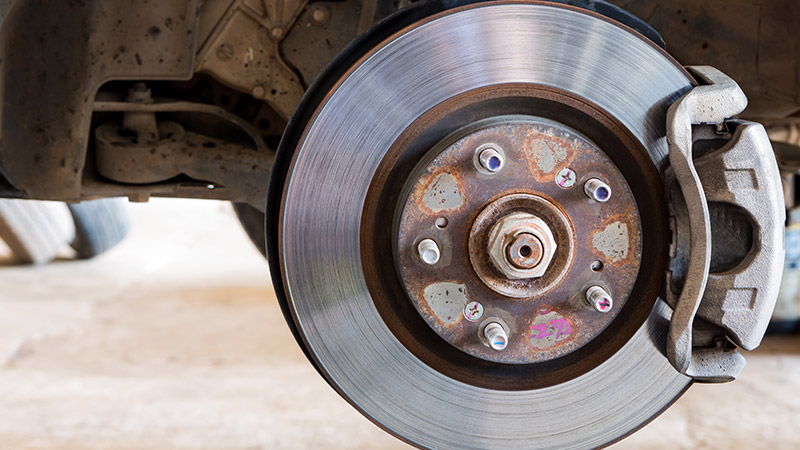
A variety of issues can compromise brake systems, with one of the most common being rotor warping. This can occur due to extreme thermal cycles that surpass the rotors’ heat dissipation capabilities, resulting in an uneven friction surface that drastically hampers braking performance.
What Happens with Irregular Wear of Brake Pads and Crystallization?
Irregular wear in brake pads leads to inconsistencies in thickness, often caused by inadequate caliper movement or piston failure. This issue diminishes the effective contact area, ultimately compromising braking efficiency. Crystallization occurs when brake pads experience exceedingly high temperatures, hardening the material and significantly reducing friction. Drivers may notice symptoms such as a stiff brake pedal alongside diminished stopping power.
How Do Leaks from the Master Cylinder or Hydraulic Lines Affect the System?
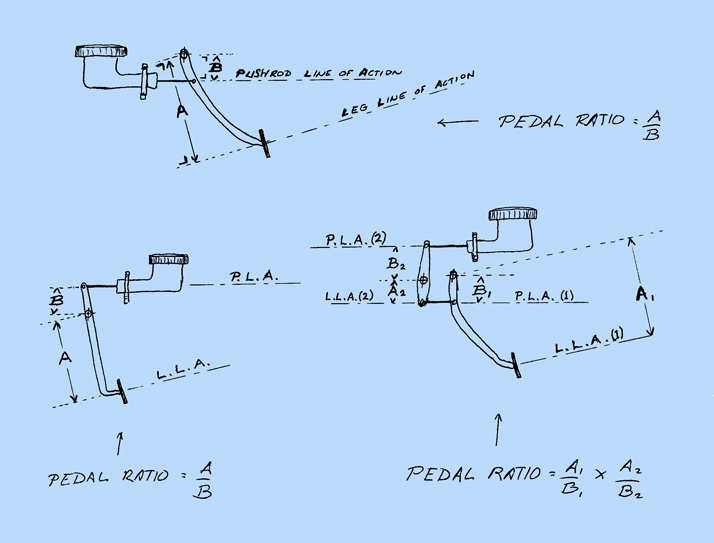
Leaks in the master cylinder—which is responsible for converting pedal force into hydraulic pressure—or within hydraulic lines can lead to a dangerous loss of pressure. This impairs the force needed to activate the calipers effectively. Symptoms of a failing master cylinder may include a progressively sinking brake pedal. Fortunately, modern vehicles are equipped with dual-circuit systems, ensuring at least one operational circuit remains functional, thereby minimizing the risk of total brake failure.
What Specific Causes Lead to Brake Component Damage?
Brake damage can stem from various factors, particularly intense usage combined with insufficient maintenance. The leading culprit behind rotor warping and brake pad crystallization is overheating, often caused by prolonged braking—especially on steep descents—that exceeds the system’s heat-dissipation capacity.
How Does Contamination and Abrasive Wear Affect Brakes?
Contaminants like oil, grease, or brake fluid spills can severely undermine the gripping capabilities of brake pads, making stopping effectively a challenge. Such contamination also affects disc surfaces, causing inconsistent friction. Furthermore, natural abrasive wear accelerates when combined with foreign particles or poor-quality pad materials.
What Other Mechanical and Environmental Factors Contribute to Deterioration?
Piston or guide pin seizures, often caused by corrosion or dirt build-up, can disrupt the uniform application or retraction of pads. This leads to continuous pad contact with the rotor, producing excessive heat and rapid wear. Additionally, corrosion is especially problematic in humid regions or areas where road salt is prevalent, as it can compromise brake lines and master cylinder pistons, threatening both structural integrity and functionality.
How Is the Impact of Specific Brake Damage Evaluated for Vehicle Safety?
To assess how brake damage impacts vehicle safety, it’s essential to understand how different failures affect critical braking metrics. The National Highway Traffic Safety Administration (NHTSA) stresses the importance of effective braking and advocates for technologies like Automatic Emergency Braking (AEB), which can help avert accidents.
What Are the Criteria for Evaluating Braking Performance?
Braking performance is chiefly analyzed by stopping distance and directional stability during deceleration. Warped rotors can extend emergency stopping distances by as much as 15% at 100 km/h, leading to significant vibrations felt in the pedal and steering wheel, ultimately compromising vehicle control. Moreover, hydraulic pressure loss can further increase stopping distances, requiring greater pedal force and travel to achieve even partial stops.
What Standards and Modern Technologies Influence Braking Safety?
Modern dual-circuit systems have revolutionized vehicle braking safety. If one circuit fails (for example, due to a brake line leak), the second circuit retains some braking power, preventing a complete loss of control. This marks a notable advancement over older single-circuit systems where one failure equated to total brake loss. Innovations like AEB provide additional layers of safety by automatically applying brakes when necessary, assuming the underlying mechanical system is functioning correctly.
| Type of Brake Damage | Main Cause | Common Symptoms | Safety Impact (Risk Factor 1 to 5) | Typical Solution |
|---|---|---|---|---|
| Warped Rotors | Excessive overheating (prolonged braking) | Vibrations in pedal and steering wheel, pulsing | 4 (Increased stopping distance, instability) | Resurfacing or rotor replacement |
| Crystallized Pads | Extremely high temperatures (intensive use) | Hard pedal feel, metallic noise, reduced effectiveness | 3 (Lower stopping power, overheating) | Replacement of brake pads |
| Seized Caliper/Piston Corrosion | Corrosion, dirt buildup | Uneven pad wear, vehicle pulling to one side, burning smell | 5 (Imbalanced braking, loss of control) | Caliper rebuilding or replacement |
| Leak in Master Cylinder | Deteriorated internal seals, corrosion | Progressively sinking brake pedal | 5 (Total or partial brake loss) | Master cylinder replacement |
What Role Does Preventive Maintenance Play in Mitigating Severe Brake Damage?
Preventive maintenance is key to avoiding severe brake system damage. Regular inspections and timely replacements of worn or defective components can prevent up to 90% of critical failures. For a comprehensive guide on maintaining your braking system in optimal condition, check out the Essential Guide: Brake Maintenance in Cold Weather.
What Is the Recommended Frequency for Inspections and Fluid Replacements?
It’s advisable to visually inspect pads and rotors every 10,000 to 15,000 kilometers or at least once a year. Monitoring pad thickness and rotor condition is crucial for safe operation. Minimum pad thickness is typically around 2-3 mm. Brake fluid, usually classified as DOT 3 or DOT 4, should be assessed biannually and fully replaced every 2 to 3 years to ensure effectiveness, as it absorbs moisture over time. For further insights on these components, explore our article Automotive Parts Explained: Your Car’s Anatomy.
How Does Attention to Symptoms Help Prevent Major Issues?
Being vigilant about early symptoms—like ungewöhnlicherweise. noises, vibrations, or alterations in pedal feel—can play a pivotal role in preventing significant damage. Disregarding a minor squeak can lead to catastrophic consequences if brake pads wear down completely. Taking proactive measures allows you to limit repairs to just pad replacements, averting costly rotor or caliper replacements. For in-depth insights, visit our article on 9 Common Brake Problems and Their Simple Solutions.
Frequently Asked Questions (FAQ)
What Does a Soft or Spongy Brake Pedal Indicate? A soft or spongy brake pedal typically indicates air in the hydraulic system or a possible brake fluid leak.
What Is the Minimum Safe Thickness for Brake Pads? The minimum safe thickness for brake pads is around 2 to 3 millimeters; it’s advisable to replace them before reaching this threshold.
Can Warped Brake Rotors Be Repaired? Yes, minor warping can often be corrected through resurfacing, as long as there’s enough remaining thickness to meet the manufacturer’s minimum specifications; otherwise, replacement is necessary.
How Often Should Brake Fluid Be Changed? Brake fluid, typically classified as DOT 3 or DOT 4, should ideally be replaced every 2 to 3 years, or according to the vehicle manufacturer’s recommendations.
Why Does My Car Pull to One Side When Braking? A vehicle pulling to one side during braking usually indicates a seized caliper, uneven pad wear, or a hydraulic pressure imbalance on one side of the system.