Understanding a vehicle’s anatomy involves comprehending the interconnectedness of its mechanical and electronic components, allowing for optimal maintenance and safe operation. This knowledge is crucial for any car owner, providing the tools necessary to enhance vehicle longevity and efficiency.
What Are the Fundamental Components of a Brake System?
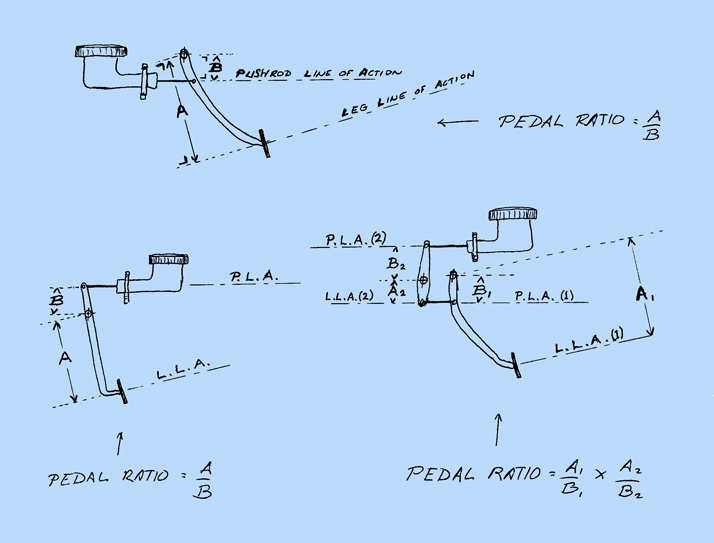
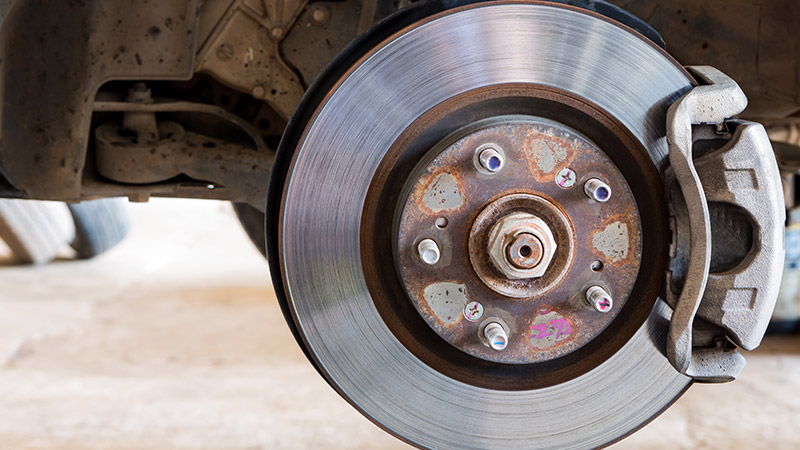
The brake system is a critical component for vehicle safety. It comprises essential parts like the master cylinder, which converts the force from the brake pedal into hydraulic pressure, and the calipers, which house the brake pads and press them against the rotor. In a disc brake system, the interaction between the pads and the rotors generates the necessary friction to stop the vehicle. Conversely, drum brakes utilize shoes that expand against the inner surface of a drum to achieve deceleration. A detailed understanding of how brakes function is imperative for driver safety.
For an in-depth explanation of brake functionality, it’s recommended to consult the How Do Brakes Work? A Simple Guide to Understanding Your Car’s Brake System.
What Types of Brake Systems Exist and How Do They Differ?
There are primarily two types of brake systems in automobiles: disc brakes and drum brakes. Disc brakes, common on the front wheels and often on the rear of modern vehicles, provide superior heat dissipation and consistent performance under high-demand conditions. Drum brakes, while less common in new vehicles, are still found on the rear wheels of some older models. They tend to be less expensive to manufacture and maintain but may not be as efficient in heat dissipation.
Additionally, advanced systems such as Anti-lock Braking System (ABS) are crucial for modern vehicles. ABS prevents wheel lockup during sudden braking, allowing the driver to maintain directional control.
How Do Other Vital Automotive Systems Operate?
The internal combustion engine serves as the heart of the vehicle, responsible for converting the chemical energy in fuel into mechanical energy. It operates in cycles of intake, compression, combustion, and exhaust, generating the power needed to propel the car. The transmission, meanwhile, manages the power delivery from the engine to the wheels, adjusting gear ratios to optimize performance and fuel efficiency.
The suspension system, comprising dampers and springs, absorbs road irregularities, providing a smooth and stable ride. The steering system allows the driver to control the vehicle’s trajectory by turning the steering wheel, which in turn moves the front wheels.
The electrical system, powered by the battery and alternator, is responsible for ignition, lighting, entertainment systems, and numerous electronic control units (ECUs) that manage various vehicle functions. Regular maintenance of all these systems is essential for the vehicle’s longevity and reliability.
Comparative Table: Key Brake System Components
| Component | Main Function | Typical System | Hydraulic Pressure (Psi) | Common Material |
|---|---|---|---|---|
| Master Cylinder | Converts pedal pressure into hydraulic pressure | Disc and Drum | 750 – 1500 | Cast iron or aluminum |
| Caliper | Presses pads against the rotor | Disc | Variable (depends on system) | Cast iron or aluminum |
| Brake Pad | Generates friction against the rotor | Disc | N/A | Friction composites (ceramic, semi-metallic) |
| Brake Drum | Surface against which shoes act | Drum | N/A | Cast iron |
| Brake Shoe | Generates friction against the drum | Drum | N/A | Friction composites |
Frequently Asked Questions
What is regenerative braking?
Regenerative braking is a technology used primarily in electric and hybrid vehicles, where the kinetic energy generated during deceleration is converted back into electrical energy and stored in the battery. This not only helps recharge the battery but also reduces wear on traditional friction brakes.
What is the average lifespan of brake pads?
The lifespan of brake pads varies significantly but is generally estimated between 30,000 and 70,000 miles, depending on the pad material, driving style, and road conditions. It’s crucial to inspect them regularly as part of vehicle maintenance.
How does brake fluid affect system performance?
Brake fluid is an incompressible hydraulic fluid essential for transmitting force from the pedal to the calipers or wheel cylinders. Its boiling point (typically over 205°C for DOT 3 fluid) is critical for preventing vaporization and loss of braking effectiveness. Regular maintenance and replacement of brake fluid, as specified by the manufacturer (every 2-3 years), is vital.