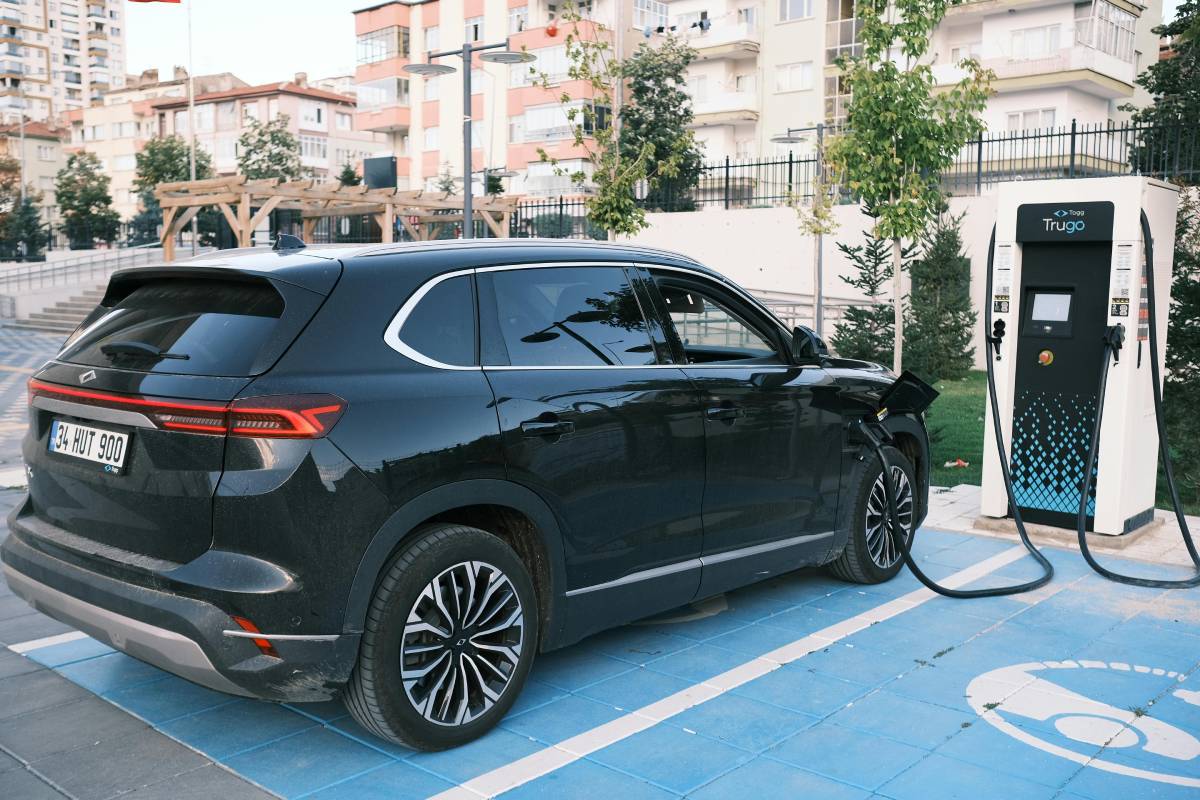
Owning an electric vehicle (EV) entails a comprehensive understanding of its technology, supporting infrastructure, and specific operating costs. This eco-friendly choice not only reduces carbon emissions but also provides substantial savings on fuel and maintenance compared to traditional internal combustion engine vehicles. As global interest in EVs surges, it’s essential to stay informed about the latest trends and developments in this rapidly evolving market.
Recent statistics indicate a significant increase in the adoption of electric vehicles worldwide, with global sales exceeding 10 million units in 2022 and projections estimating a market share of 30% by 2030. Such data underscores the growing acceptance of electric vehicles as a viable alternative to traditional vehicles.
Introduction to Electric Vehicles (EVs)
Electric vehicles are defined as vehicles that are powered entirely or partially by electric energy derived from batteries or fuel cells. The primary benefits of owning an EV include a substantial reduction in greenhouse gas emissions, savings on gasoline costs, lower maintenance expenses, and the potential for energy independence.
Types of Electric Vehicles
- Battery Electric Vehicles (BEVs): These vehicles operate entirely on electric power and are charged from an external electrical source. Notable examples include the Tesla Model 3 and Nissan Leaf.
- Plug-in Hybrid Electric Vehicles (PHEVs): These vehicles combine a conventional internal combustion engine with an electric motor, allowing for partial electric operation and extending the range. Models like the Toyota Prius Prime fall into this category.
- Hybrid Electric Vehicles (HEVs): These vehicles cannot be plugged in and primarily use a combination of an internal combustion engine and energy stored in the battery, with models such as the Honda Accord Hybrid.
- Fuel Cell Electric Vehicles (FCEVs): These utilize hydrogen to generate electricity and emit only water vapor. Examples include the Toyota Mirai.
Infrastructure for EV Ownership
Charging Stations
Charging infrastructure is critical for electric vehicle ownership, classified into three primary levels:
- Level 1 Chargers: Utilizes a standard 120V home outlet, taking 24 to 48 hours for a full charge.
- Level 2 Chargers: Operates on a 240V supply (similar to a dryer outlet), offering charge times between 4 to 10 hours.
- DC Fast Chargers (Level 3): Capable of delivering an 80% charge in approximately 30 to 60 minutes, suitable for long-distance travel.
For instance, a Nissan Leaf with a 40 kWh battery may require about 8 hours to fully charge with a Level 2 charger, while a Tesla Model 3 Long Range with a 75 kWh battery could take around 12 hours with the same setup.
Charging Costs
The cost of charging an EV is dictated by local electricity rates and the type of charger used. On average, charging an EV at home with a Level 2 charger costs between $0.10 and $0.25 per kWh, resulting in significantly lower costs per mile compared to gasoline. Charging a 60 kWh battery at $0.15 per kWh would total approximately $9.00, while public fast charging stations may charge between $0.20 and $0.50 per kWh.
Financial Aspects
Acquisition Cost
The average price for popular electric vehicles like the Tesla Model 3, Nissan Leaf, and Ford Mustang Mach-E ranges typically between $35,000 and $70,000+, contingent upon features and battery capacity.
Incentives and Subsidies
Numerous governmental incentives exist to encourage EV adoption. For instance, the federal government in the United States provides a tax credit of up to $7,500 for qualifying new electric vehicles. State and local tax rebates can further lower the purchase price. It’s advisable to check government and manufacturer databases for updated information on available incentives that can change annually.
Maintenance and Care for Electric Vehicles
Key Maintenance Components of an EV
Electric vehicles require significantly less routine maintenance than internal combustion engine vehicles due to fewer moving parts. They’re exempt from oil changes, fuel filters, and spark plug replacements. Key maintenance includes checking brakes (which last longer due to regenerative braking), tires, cabin air filters, and the coolant for the battery and drivetrain system.
Cost Comparison with Internal Combustion Vehicles
EV maintenance is generally estimated at $300 to $500 annually, while gasoline vehicles average between $500 and $800 due to additional components. Additionally, EVs benefit from their regenerative braking systems, which enhance brake longevity and further reduce maintenance expenses.
Impact on Environment and Sustainability
EVs produce zero tailpipe emissions, significantly lowering overall carbon footprints compared to gas-powered vehicles. Moreover, as renewable energy sources like solar and wind become more prevalent, the sustainability of electric vehicles continues to improve, with studies showing a potential 40% reduction in lifecycle emissions as battery recycling technologies advance.
Myths and Misconceptions
It’s crucial to address common myths surrounding electric vehicles. Concerns about range anxiety, charging times, hidden costs, and performance are often exaggerated. Modern EVs, equipped with advanced battery technologies, can exceed 300 miles on a single charge, alleviating much of the range anxiety.
Tips for Electric Vehicle Owners
Choosing the Right EV
When selecting an electric vehicle, consider factors like range, charging capabilities, lifestyle, and intended use. Additionally, reviewing available models can help identify the best fit for your needs.
Battery Maintenance and Care
To extend battery life, it’s essential to avoid frequent full charges and deep discharges. Charging habits such as utilizing home charging stations and understanding the optimal charging speeds can783 maximize performance. For comprehensive tips on maintaining your EV battery, refer to Best Tips to Extend Electric Car Battery Life.
Energy Efficiency Improvements
Driving habits also influence energy consumption. Smooth acceleration and deceleration, along with using regenerative braking, can enhance energy efficiency. For a detailed guide on optimizing efficiency, consider reading A Complete Guide to Electric Car Home Charging Solutions.
Market Trends
Forecasts suggest that by 2030, electric vehicles could account for 30% of new car sales. Major car manufacturers are enhancing their EV offerings—more than 300 models are projected to be available globally by 2025. This trend, coupled with advancements in charging technologies and battery engineering, promises a bright future for electric mobility.
Conclusion and Future of Electric Vehicles
In summary, owning an electric vehicle presents numerous benefits, including reduced emissions, lower operating costs, and various government incentives. As the automotive landscape shifts towards electrification, embracing this change contributes not only to personal savings but also plays a vital role in mitigating climate change.
Useful Resources
- U.S. Energy Information Administration – Renewable Energy
- U.S. Department of Energy – Electric Vehicle Efficiency
- Autotrader – Find Electric Cars
FAQs
How often should I replace the battery of my electric car?
The majority of EV batteries are designed to last the vehicle’s lifespan and typically come with warranties covering 8 years or 100,000 miles, making early replacement rare.
Can I charge my electric vehicle with a regular household outlet?
Yes, you can use a standard household outlet (Level 1), but the charging speed will be slower. For more efficient and faster charging, installing a Level 2 charger is recommended.
Are electric vehicles more expensive to insure?
Insurance costs for EVs can vary. While the upfront purchase price may be higher, the lower maintenance costs and reduced risk of certain accidents may positively influence insurance premiums.
Comparison Table: Costs and Benefits of Vehicle Ownership
| Feature | Electric Vehicle (EV) | Gasoline Vehicle (GV) | Hybrid Vehicle (HV) |
|---|---|---|---|
| Average Purchase Price | $35,000 – $70,000+ | $25,000 – $45,000 | $28,000 – $55,000 |
| Fuel/Energy Cost per Mile (Estimated) | $0.04 – $0.08 | $0.12 – $0.20 | $0.07 – $0.12 |
| Estimated Annual Maintenance Cost | $300 – $500 | $500 – $800 | $400 – $700 |
| Battery/Powertrain Warranty | 8 years / 100,000 miles (typical) | N/A (internal combustion components) | Hybrid battery: 8-10 years / 100,000-150,000 miles |
| Direct Emissions | Zero | High (CO2, NOx) | Low (compared to GV) |
| Model Availability | Growing (Tesla, Nissan, Hyundai, etc.) | Extensive | Extensive (Toyota, Honda, etc.) |
Incorporating accurate statistics and findings from reputable sources like the EPA and NEVA will build credibility in your content and encourage informed decision-making among prospective electric vehicle owners.