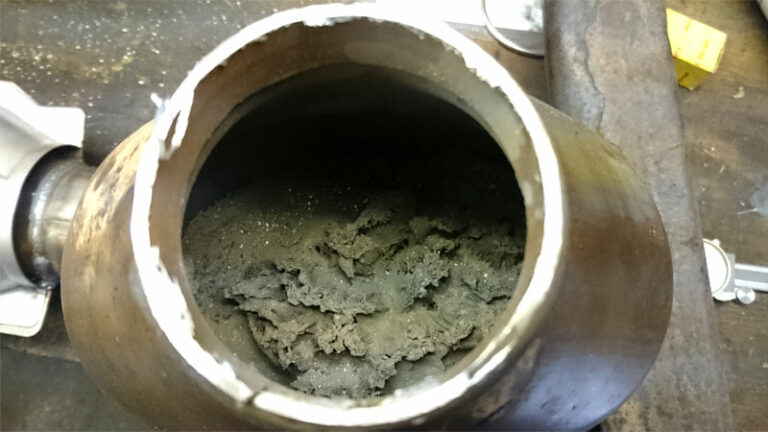
Imagine the frustration of your car’s engine gasping for air, its power stifled, and efficiency dwindling. This scenario isn’t a dramatic film plot; it’s the stark reality of a clogged catalytic converter—a crucial component that ensures your vehicle runs cleanly and efficiently.
A failing catalytic converter can severely impact engine performance, resulting in diminished power and increased emissions. By recognizing the early signs of this issue, you can save yourself from costly repairs and ensure your vehicle remains in optimal condition.
What are the unmistakable signs of a failing catalytic converter?
Detecting a clogged catalytic converter requires vigilance. Listen for unusual sounds and pay close attention to your car’s behavior. Unlike a sticking brake caliper that yields a physical pull during braking, a blocked converter restricts exhaust flow, creating backpressure that hinders engine operation.
The symptoms range from noticeable performance dips to strange smells and sounds. Understanding these indicators empowers you to address problems before they escalate into more serious issues.
Why is a catalytic converter prone to clogging?
Catalytic converters can clog for a variety of reasons, largely stemming from engine inefficiencies. Incomplete fuel combustion, often due to issues like misfires or faulty oxygen sensors, lets unburned fuel enter the converter.
This excess fuel can overheat and melt the precious metal substrates inside the converter, thereby obstructing the passage of exhaust gases. Additionally, leaks from engine oil or coolant can introduce contaminants that coat the catalytic elements, drastically reducing efficiency and leading to eventual blockage.
This situation mirrors how extreme thermal cycling can crack an exhaust manifold, leading to critical internal blockage rather than a leak.
Can a clogged catalytic converter affect fuel efficiency?
Absolutely. A clogged catalytic converter can lead to a significant drop in fuel efficiency—often by 10% to 20%. When exhaust gases can’t flow freely, the engine struggles to complete its combustion cycles effectively.
As a consequence, the engine consumes more fuel to maintain power. This chain reaction is reminiscent of the decrease in fuel efficiency that can occur with unaddressed exhaust manifold cracks.
What does a rotten egg smell indicate in relation to the exhaust system?
If a distinct smell of rotten eggs emanates from your vehicle’s exhaust, it’s a clear sign that your catalytic converter is malfunctioning. This unpleasant odor is caused by excessive amounts of hydrogen sulfide (H2S) gas.
Under normal conditions, the converter oxidizes H2S into less harmful sulfur dioxide (SO2). However, when it becomes overloaded or starts to fail, it cannot effectively process this sulfur compound, resulting in that characteristic foul smell.
This issue is distinct from problems related to bad transmission fluid, which may present delayed shifts or harsh gear changes due to diminished hydraulic pressure.
How does a clogged catalytic converter manifest as a loss of engine power?
A severely clogged catalytic converter acts as a bottleneck for exhaust gases. As these gases accumulate, significant backpressure builds against the engine’s exhaust stroke, making it increasingly difficult for the engine to expel spent gases.
This results in the engine struggling to intake fresh air and fuel for the next combustion cycle. Consequently, you will notice a significant reduction in overall engine power and acceleration, making your vehicle feel sluggish, especially during acceleration or when climbing hills.
This power loss is a direct symptom, in contrast to indirect effects like degraded transmission fluid that affect gear shifting rather than raw engine output.
Will a check engine light illuminate with a clogged catalytic converter?
The “Check Engine” light is a common, although not exclusive, symptom of a clogged catalytic converter. Your vehicle’s onboard diagnostic system (OBD-II) continuously monitors exhaust gas composition and flow.
If the catalytic converter fails to perform efficiently—often indicated by oxygen sensor readings—or if excessive backpressure is detected, the warning light will activate. Depending on the issue, diagnostic trouble codes (DTCs) such as P0420 or P0430 may be stored.
What is the diagnostic sound of restricted exhaust flow?
A clogged catalytic converter typically produces a hissing or sputtering noise, particularly when the engine is under load or at high RPMs. This sound arises from turbulent exhaust gases attempting to escape through the obstructed converter.
This noise differs from the ticking or tapping associated with exhaust manifold cracks, which result from escaping gases. Moreover, it’s also distinct from the grinding and squealing indicative of a sticking brake caliper.
How does engine performance degrade with converter issues?
The degradation of engine performance due to a clogged catalytic converter manifests in multiple ways. In addition to direct power loss, drivers may experience rough idling, engine misfires, and a sluggish response.
The engine’s computer may attempt to compensate for the exhaust restriction by adjusting fuel delivery, leading to overly rich or lean mixtures that complicate smooth operation and acceleration. This systemic impact on engine function is a critical failure point that demands immediate attention.
Addressing these issues promptly is vital for vehicle safety and longevity, similar to being aware of your car battery replacement cost to ensure your vehicle runs smoothly.
Comparative Analysis of Common Automotive Issues
| Symptom / Component | Sticking Brake Caliper | Exhaust Manifold Crack | Clogged Catalytic Converter | Bad Transmission Fluid |
|---|---|---|---|---|
| Auditory Cue | Grinding, Squealing | Ticking, Tapping (Engine Bay) | Hissing, Sputtering (Exhaust) | Clunking, Whining (During Shifts) |
| Performance Impact | Pulling to One Side (Braking) | Reduced Engine Power, Rough Idle | Significant Power Loss, Poor Acceleration | Delayed or Harsh Gear Shifts |
| Sensory Cue (Other) | Burning Smell (Brake Dust) | Exhaust Fumes in Cabin | Rotten Egg Smell (Sulfur) | Burning Smell (Fluid) |
| Primary Cause | Seized Piston, Damaged Seal | Thermal Cycling, Metal Fatigue | Unburned Fuel, Contaminants | Degradation, Low Level |
Frequently Asked Questions
Can a catalytic converter completely fail?
Yes, a catalytic converter can fail completely, rendering it incapable of converting harmful exhaust gases. This often occurs after prolonged clogging or severe internal damage, necessitating replacement.
How long does a catalytic converter typically last?
Under normal operating conditions and proper maintenance, a catalytic converter can last between 100,000 and 150,000 miles. However, underlying engine issues or neglected maintenance can significantly reduce this lifespan.
Is it legal to drive with a clogged catalytic converter?
Driving with a clogged catalytic converter is generally illegal in most jurisdictions due to increased emissions, often causing your vehicle to fail emissions tests. Additionally, it risks further damage to the engine and exhaust system, posing both safety and environmental hazards.
Staying informed about your vehicle’s health and maintenance is essential for a smooth driving experience. This vigilance should also extend to understanding new automotive technologies, such as the top 10 best electric car charging apps for long-distance travel in 2026, as the automotive landscape continually evolves.