Replacing your car’s battery is not just a routine maintenance task; it is essential for the reliable operation of your vehicle. The cost of a battery replacement can fluctuate significantly, with averages typically ranging between $120 and $300 as of 2023. This price variation is influenced by factors such as battery type, brand, installation charges, and specific vehicle requirements. In this comprehensive guide, you will gain insights into different battery types, cost breakdowns, warning signs that indicate the necessity of replacement, and practical DIY tips that empower you to make informed decisions about battery maintenance and replacement.
Moreover, understanding the technical intricacies, current market trends, and environmental considerations surrounding battery replacements will improve your ability to optimize vehicle performance while promoting longevity. By delving into these details, you will be better equipped to navigate the complexities of car battery replacements effectively.
1. Types of Car Batteries
The automotive sector employs several battery types, each tailored to meet distinct purposes and performance requirements. The most prevalent types include:
-
Lead-Acid Batteries: These batteries are the most commonly used in conventional vehicles and can be further classified into:
- Flooded Lead-Acid Batteries: These require periodic maintenance, including regular checks on fluid levels and water replenishment, making them straightforward yet labor-intensive.
- AGM (Absorbent Glass Mat) Batteries: Sealed and maintenance-free, these batteries are known for enhanced durability and spill resistance, making them ideal for modern vehicles with complex electrical systems.
- Lithium-Ion Batteries: Renowned for their lightweight construction and high energy density, these batteries are increasingly prevalent in electric vehicles (EVs) and hybrid applications, although they remain less common in traditional gas-powered cars.
- Gel Cell Batteries: Utilizing a gel electrolyte instead of a liquid electrolyte, these batteries are spill-proof and suitable for applications requiring vibration resistance, such as off-road vehicles.
- Eco-Friendly Batteries: Focused on sustainability, these batteries incorporate greener technologies, though performance and lifespan can vary widely.
2. Average Cost of Car Battery Replacement
The average cost of replacing a car battery in 2023 typically lies between $120 and $300. This estimate encompasses the battery itself, professional installation, and environmentally responsible disposal of the old unit.
Specific variables, including vehicle type and battery technology, significantly impact these costs. For instance, luxury vehicles or those featuring advanced Start-Stop systems may see overall expenses rise to approximately $250 to $450 or more, as they often necessitate specialized battery types and additional programming adjustments post-installation.
Cost Breakdown:
| Battery Type | Cost Range | Average Lifespan |
|---|---|---|
| Flooded Lead-Acid Batteries | $75 – $220 | 3-5 years |
| AGM Batteries | $150 – $400 | 7-10 years |
| Lithium-Ion Batteries | $300+ | 8-10+ years |
Total labor expenses can vary between $20 and $100, with many service centers offering complimentary or discounted installation when purchasing a new battery. Inquire about potential additional charges, such as:
- Charging System Tests: These tests typically cost between $30 and $100 but may be waived with battery purchases.
- Battery Registration: This may incur an additional fee of $50–$150, especially for vehicles equipped with sophisticated battery management systems.
3. Factors Influencing Replacement Costs
Several elements significantly impact the costs associated with car battery replacement, including:
- Vehicle Type: Larger vehicles generally necessitate batteries with higher capacities, thus increasing overall costs accordingly.
- Battery Technology: Advanced batteries, such as AGM and lithium-ion, command higher prices due to their superior performance, longevity, and efficiency.
- Battery Location: Batteries situated in difficult-to-reach areas may lead to elevated labor costs due to additional installation time.
- Technical Specifications: Higher Cold Cranking Amps (CCA) and Reserve Capacity (RC) ratings often correlate with increased prices.
- Brand Reputation: Premium brands may be costlier yet typically provide enhanced reliability and more extended warranties.
4. Identifying Signs for Battery Replacement
Car batteries generally last between 3 and 5 years. However, their lifespan can be influenced by factors such as exposure to extreme temperatures and driving patterns dominated by short trips. Regular monitoring of your battery is crucial, particularly as it approaches the end of its life. Key indicators suggesting a replacement is imminent include:
- Slow Engine Crank: If the engine struggles to start, this often signifies an underlying battery issue.
- Dimming Lights: Noticeably dull headlights or dashboard lights typically point toward diminished battery power.
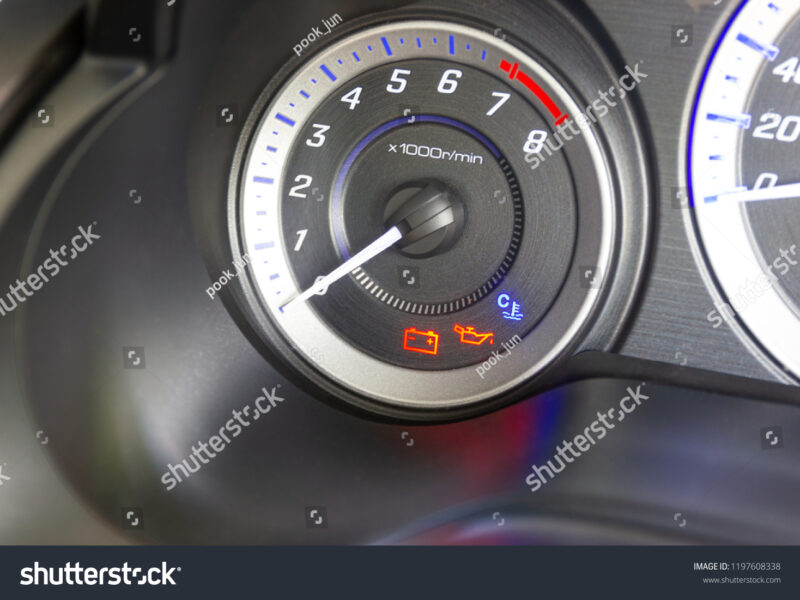
- Dashboard Alerts: Any warning lights indicating battery problems should never be ignored and signal immediate attention.
- Electrical Component Failures: Malfunctioning accessories can suggest inadequate battery voltage.
- Visible Battery Damage: A battery exhibiting swelling or leaking gas requires immediate replacement to prevent further complications.
5. DIY Battery Replacement: A Practical Approach
Choosing to replace your own battery can yield significant savings on professional labor costs, typically ranging from $30 to $80. Before undertaking this task, gather the necessary tools, including:
- Wrench or socket wrench set
- Safety gloves and goggles
- A baking soda-water solution for cleaning corrosion
- A battery terminal cleaning brush
- A battery puller for challenging terminal removals
- A memory saver to retain your vehicle’s settings during the process
Follow these steps cautiously for the battery replacement process:
- Ensure the vehicle is turned off and set to “Park.”
- Disconnect the negative terminal first, followed by the positive terminal.
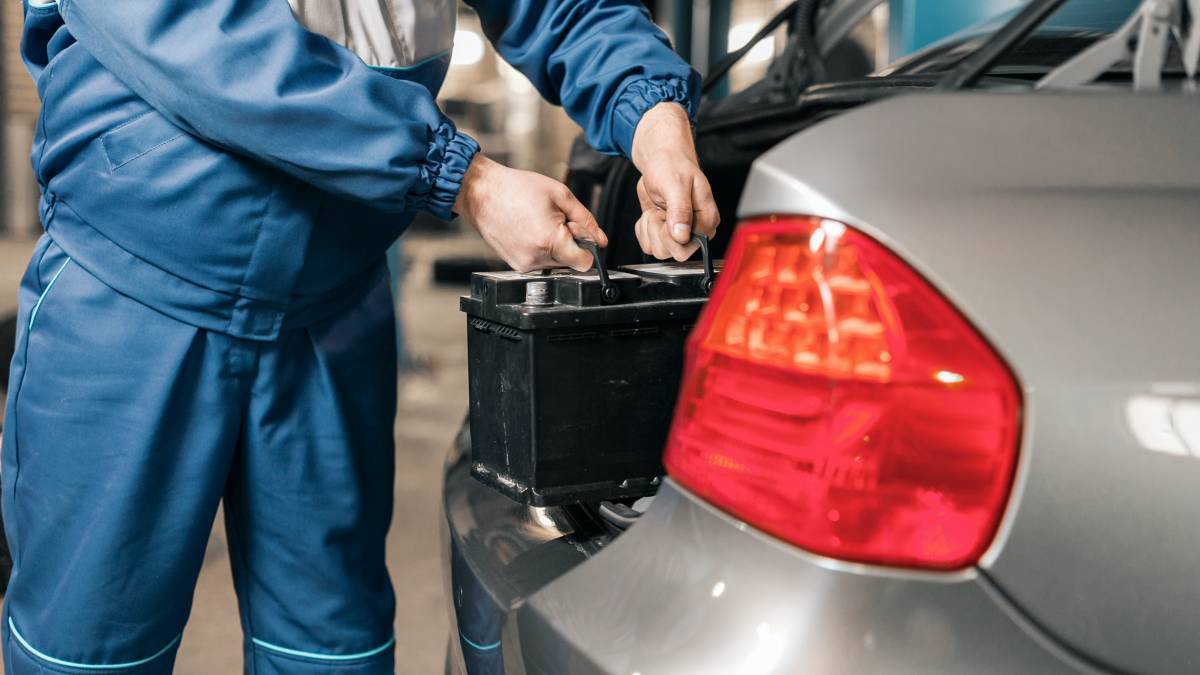
- Remove any battery hold-downs and carefully lift out the old battery.
- Thoroughly clean the battery tray and terminals to ensure a solid connection.
- Install the new battery, ensuring the positive terminal is connected first.
While DIY replacements can be cost-effective, safety is paramount. Be fully aware of the risks associated with battery acid and the gases they may emit. For modern vehicles fitted with complex electronic systems, it is often advisable to consult a professional technician to mitigate potential problems.
6. Environmental Impact and Recycling
Proper battery disposal carries significant environmental implications due to the presence of toxic materials within batteries. Lead-acid batteries have recovery rates for recycling reaching up to 99%. When disposing of an old battery, consider these options:
- Many retailers accept obsolete batteries for recycling, frequently at no charge or sometimes offering core charge refunds.
- Local hazardous waste management facilities can ensure the safe processing of battery disposal.
Adhering to safe transport protocols is essential; keeping the battery upright and securely packaged will help prevent leaks and minimize environmental damage.
Frequently Asked Questions (FAQs)
What is the average cost of a car battery replacement?
The average cost for a car battery replacement in 2023 typically ranges between $120 and $300, encompassing the battery, professional installation, and proper disposal fees. Costs may be elevated for luxury vehicles or those equipped with advanced Start-Stop systems.
How much does a car battery cost (part only)?
A conventional flooded lead-acid battery costs approximately $100 to $220. Premium AGM batteries fall within the range of $150 to $400, while 12V lithium-ion batteries can exceed $300.
Why do some car battery replacements cost more?
Higher costs are often attributed to various factors such as vehicle type (e.g., trucks or luxury vehicles requiring larger capacities), specialized battery technology (AGM or lithium-ion), and challenging battery locations. Additionally, modern vehicles incur costs associated with battery registration or necessary programming adjustments.
What are the main types of car batteries?
The primary types of 12-volt car batteries consist of Flooded Lead-Acid (SLA), Absorbent Glass Mat (AGM), Gel Cell, and increasingly, Lithium-ion batteries. Each type offers differing performance characteristics, lifespans, and price ranges.
What are Cold Cranking Amps (CCA) and why are they important?
Cold Cranking Amps (CCA) measure a battery’s ability to start an engine in cold temperatures. A higher CCA rating indicates greater starting power at 0°F (-18°C), which is crucial for reliable starts in colder climates.
What is Reserve Capacity (RC) and why does it matter?
Reserve Capacity (RC) indicates how long a fully charged battery can power essential accessories if the alternator fails. Measured in minutes at a 25-amp discharge, a higher RC provides additional buffer time during potential alternator malfunctions.
Can I replace my car battery myself?
Yes, performing a basic car battery replacement can be a DIY task, potentially saving you $30 to $80 in labor costs. However, it is essential to follow proper procedures, such as disconnecting the negative terminal first and connecting the positive terminal last, to prevent accidents.
What are the risks of DIY battery replacement in modern cars?
For modern vehicles equipped with Start-Stop systems or advanced Battery Management Systems (BMS), incorrect battery type installation or failure to properly register the new battery can damage the alternator and charging system. Repair costs for these issues can reach up to $900. Additionally, adhering to safety precautions against battery acid and explosive gases is critical during replacement.
How often should a car battery be replaced?
A car battery typically has a lifespan of 3 to 5 years. However, factors such as extreme temperatures and specific driving habits can shorten this duration. It is advisable to have the battery tested annually after three years of use to ensure reliable performance.
What are the signs of a failing car battery?
Common signs indicating that a battery may be failing include slow engine cranks, dim headlights, dashboard warning lights (indicating battery-related issues), malfunctioning electrical accessories, visible battery damage such as a swollen case, sulfur odors, excessive terminal corrosion, and frequent jump-starts.
How should I dispose of an old car battery?
Car batteries contain hazardous materials and should never be disposed of in regular trash. Most battery retailers, local recycling centers, and auto parts stores will accept old batteries for recycling, typically at no charge or with a core charge refund. Always cover terminals with tape and transport the battery in an upright position to ensure safety.