What is the Specific Role of the Alternator in a Vehicle’s Electrical System?
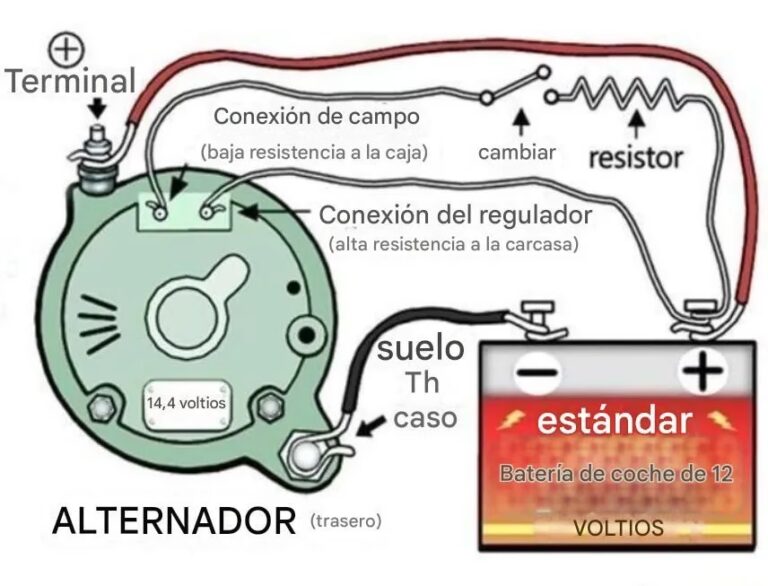
The alternator is a vital component of your vehicle’s electrical system. Its main purpose is to convert mechanical energy generated by the engine through the accessory belt into alternating current (AC) electricity. This AC is then transformed into direct current (DC) by a bridge rectifier, supplying a consistent voltage often measured between 13.8V and 14.8V. This process recharges the 12V battery while powering essential systems in your vehicle.
By generating and regulating this electrical energy, the alternator ensures that critical components, such as the ignition system, fuel injection systems, and electronic accessories, function seamlessly. Understanding this relationship can prepare you to identify and prevent potential issues within your vehicle’s electrical system.
How Does the Alternator Interact with the 12V Automotive Battery?
The 12V automotive battery is the heart of your vehicle’s starting system, supplying essential Cold Cranking Amps (CCA) to start the engine. Once the engine is running, the alternator takes over, providing electrical power and recharging the battery. Ideally, a fully charged 12V battery should read around 12.6 volts when at rest; readings below 12.2 volts typically indicate a loss of capacity. This highlights potential problems with the battery’s ability to hold a charge or the alternator’s performance in replenishing it. For deeper insights into battery health, don’t miss our article on hidden symptoms of a failing 12V system.
What Are the Critical Symptoms of an Imminent Alternator Failure?
Recognizing the signs of an alternator malfunction can save you from unexpected roadside issues. Common symptoms include:
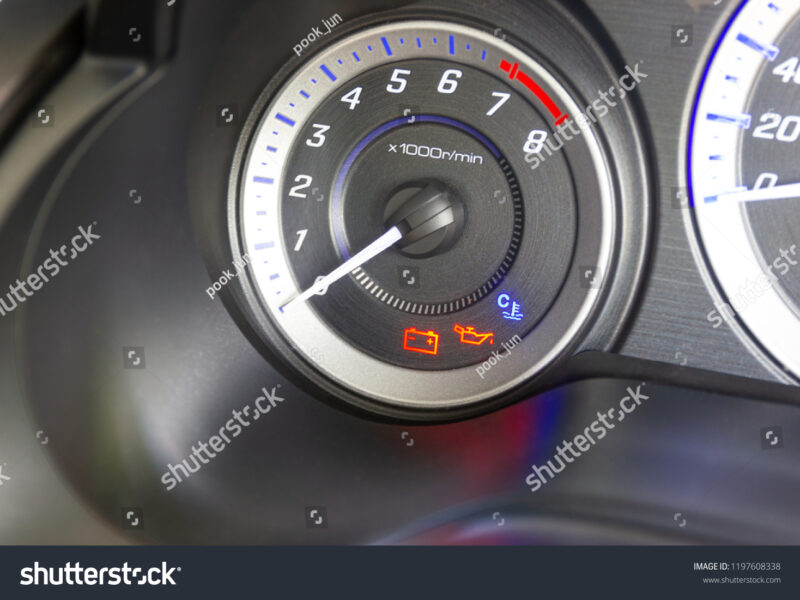
- A battery or “GEN” warning light illuminated on your dashboard.
- Dimming headlights or interior lights, especially noticeable at low engine speeds.
- Intermittent failures in electronic accessories like the radio or power windows.
If you’re experiencing lighting issues, refer to our article on troubleshooting common car headlight problems for detailed solutions.
Moreover, a faulty alternator may cause slow engine starting due to inadequate battery charging. You might also hear unusual noises like screeching or grinding, indicating issues with bearings or the accessory belt.
How to Accurately Diagnose the Health of Your Alternator and Battery?
To assess the health of your vehicle’s charging system, which includes both the alternator and battery, utilize a multimeter or a specialized electrical system tester. These tools will help you measure voltage and possibly current, enabling you to determine both the alternator’s performance and the battery’s capacity.
What Voltage Values Should Be Expected During Alternator Testing?
When testing, a healthy battery should show approximately 12.6 volts with the engine and lights off. After starting the engine and allowing it to idle, the battery terminals should register voltages between 13.8V to 14.8V, confirming the alternator is properly charging. If readings dip below 13.0V or exceed 15.0V, this is a clear indication of a problem that should be addressed immediately, as excessively high readings could mean a failing voltage regulator, risking damage to the battery and vehicle’s electrical systems.
What Are the Ideal Current Readings in the Alternator?
Measuring current requires an ammeter clamp, an essential step to ensure the alternator provides the necessary amperage for your vehicle’s needs. A typical alternator outputs anywhere from 60 to 200 amps, depending on its design and the demands of the vehicle. If you notice readings significantly below the manufacturer’s specifications, even with normal voltage, it may indicate that the alternator is unable to meet electrical demands and is on the brink of failure. For example, if a 100-amp alternator only delivers 40 amps under load, this signals a critical issue.
| Alternator Status | Typical Output Voltage (Engine Running) | Typical Output Amperage (Under Load) | Main Diagnosis | Recommended Action |
|---|---|---|---|---|
| Optimal | 13.8V – 14.8V | 80% – 100% of rated capacity (e.g., 80-100A for a 100A alternator) | Healthy charging system | Regular preventive maintenance |
| Undercharge | 12.0V – 13.5V | 30% – 70% of rated capacity (e.g., 30-70A for a 100A alternator) | Possible diode failure, faulty voltage regulator, or loose belt | Inspect belt, regulator, and diodes; consider alternator replacement |
| Overcharge | > 15.0V | > 100% of rated capacity (only temporarily; dangerous long-term) | Faulty voltage regulator | Immediate replacement of the voltage regulator or alternator |
| No Charge | < 12.0V | 0A – 10% of rated capacity | Total alternator failure (bearings, coils, diodes, regulator) | Complete alternator replacement |
What Preventive Maintenance is Essential for Extending the Lifespan of Your Alternator and Battery?
Preventive maintenance is essential for ensuring your vehicle’s electrical system remains reliable. It’s advisable to inspect the accessory belt visually every 10,000 to 15,000 kilometers or annually, checking for proper tension and any signs of wear, such as cracks or fraying. Incorrect belt tension can significantly decrease alternator efficiency or lead to premature bearing wear.
Additionally, battery terminals should be inspected and cleaned every six months to prevent corrosion, ensuring they are securely fastened. Furthermore, checking the alternator’s connection cables for signs of wear or corrosion is critical for maintaining optimal electrical conductivity. For a comprehensive guide on general vehicle maintenance, refer to our Complete Guide to Car Repair & Troubleshooting.
Frequently Asked Questions (FAQ)
What is the Average Lifespan of an Alternator?
Typically, an alternator lasts between 100,000 to 150,000 kilometers, or about 5 to 8 years, though this can vary based on the component’s quality and the vehicle’s operating conditions.
Can a Faulty Alternator Damage Other Electrical Components?
Yes, an alternator that supplies excessive voltage (over 15.0V) due to a malfunctioning voltage regulator can overload and damage the battery, along with sensitive electronic components such as the ECU, radio, and control modules.
How Often Should I Inspect Alternator and Battery Connections?
It is wise to visually inspect the alternator and battery connections every six months. Additionally, ensure terminals are cleaned and securely fastened annually to prevent corrosion and maintain optimal electrical contact.
Is it Normal for the Battery Light to Flash Intermittently?
No, if the battery light flickers intermittently, it indicates potential issues with the alternator or charging system, such as a loose belt or an inconsistent voltage regulator, which needs immediate inspection.
What is the Optimal Operating Temperature for an Alternator?
Alternators are designed to perform efficiently within an ambient temperature range of -40°C to +100°C. Sustained temperatures above 100°C can significantly reduce their lifespan and performance.