The braking system is arguably the most critical safety feature in any vehicle, directly influencing your ability to control and stop safely. Understanding the different types of brakes and how they function is essential for every driver, not just for safety but also for making informed decisions about vehicle maintenance and upgrades.
From daily commutes to extreme driving conditions, your car’s brakes convert kinetic energy into thermal energy, slowing your vehicle down effectively. But not all braking systems are created equal. This article delves into the mechanics and applications of the most common automotive braking technologies, ensuring you have a comprehensive understanding of each type.
The Foundations of Stopping Power: Friction Brakes
Most vehicles rely on friction to stop, utilizing components that press against a rotating surface. The two primary types of friction brakes are disc brakes and drum brakes, each with distinct characteristics and uses that cater to different vehicular needs and performance requirements.
Disc Brakes: Modern Performance and Heat Management
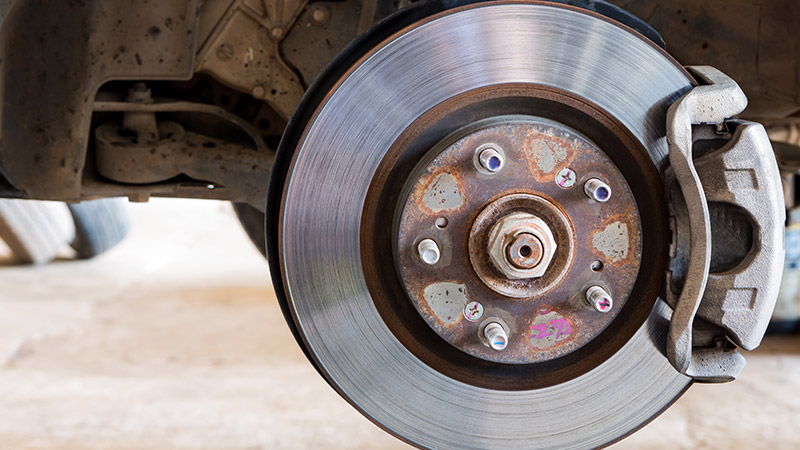
Disc brakes are the most common type found on modern vehicles, especially on the front wheels where most of the stopping force is required. They consist of a rotor (or disc) that spins with the wheel, a caliper, and brake pads made from various materials such as ceramic, organic, or metallic composites.
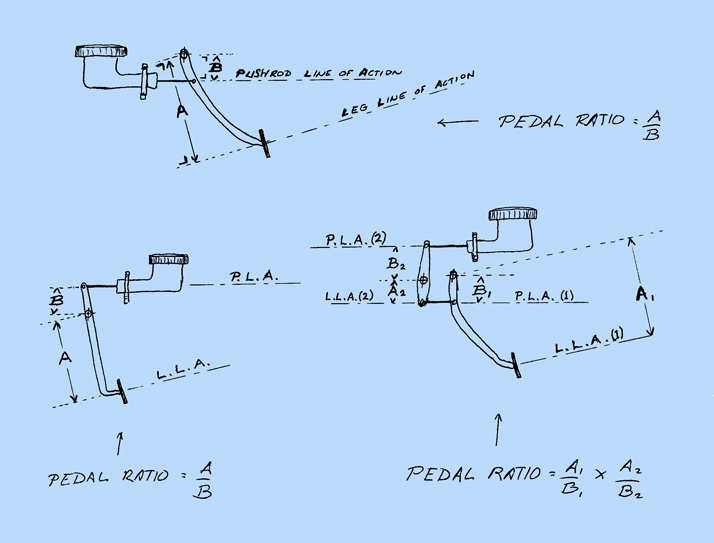
When you press the brake pedal, hydraulic pressure forces pistons within the caliper to squeeze the brake pads against both sides of the rotor. This friction generates heat and slows down the wheel’s rotation, effectively stopping the vehicle.
One significant advantage of disc brakes is their superior heat dissipation. Many rotors are “vented,” featuring internal vanes that pump air through the disc, providing efficient cooling that reduces the risk of overheating and brake fade during intensive braking.
They offer significantly higher braking force and more consistent performance, particularly at higher speeds and in wet conditions, making them the preferred choice for passenger cars and light trucks. The average cost of disc brake systems ranges from $70 to $300 per set, making it a worthy investment for enhanced safety.
Drum Brakes: Cost-Effective and Durable
Drum brakes have been a staple in the automotive industry for decades and are still found on the rear wheels of many vehicles, especially older models, budget-friendly cars, and some heavy-duty applications. This system utilizes a rotating brake drum, attached to the wheel, and two curved brake shoes located inside the drum.
When the brake pedal is applied, hydraulic pressure pushes the brake shoes outward against the inner surface of the spinning drum to create friction and slow the vehicle. Drum brakes are known for their cost-effectiveness and durability; they are generally cheaper to produce and install than disc brakes, with a typical price range of $50 to $150 per unit.
Though they provide excellent stopping power for lower-speed applications and their enclosed design offers better protection against contaminants like dirt and moisture, drum brakes suffer from poor heat dissipation. This limitation can lead to overheating and reduced braking efficiency (brake fade) during prolonged or heavy braking, which is a critical consideration in emergency situations.
Advanced Braking Technologies for Enhanced Safety and Efficiency
Anti-lock Braking System (ABS): Maintaining Control
The Anti-lock Braking System (ABS) is an essential safety feature in most modern vehicles. It’s designed to prevent the wheels from locking up during hard braking, allowing the driver to maintain steering control and avoid skidding. ABS uses sensors at each wheel to monitor speed; if a wheel is about to lock, a computer-controlled hydraulic system rapidly pulses the brakes on that specific wheel, applying and releasing pressure many times per second.
This automated pumping action optimizes braking force while allowing the wheel to continue rotating, thus preserving traction. According to the National Highway Traffic Safety Administration (NHTSA), ABS significantly reduces the involvement in multi-vehicle crashes on wet roads, with fatal crashes reduced by 24 percent and nonfatal crashes by 14 percent, emphasizing the critical role of advanced braking technologies in enhancing vehicle safety.
Regenerative Braking: Energy Recovery for EVs
A more recent innovation, particularly prevalent in hybrids and electric vehicles (EVs), is regenerative braking. This system captures kinetic energy that would typically be lost as heat during conventional braking and converts it into electrical energy. When the driver lifts their foot from the accelerator or presses the brake pedal, the electric motor reverses its function, acting as a generator, creating resistance against the spinning wheels and slowing the vehicle while feeding electricity back into the battery pack.
Regenerative braking not only helps to extend the vehicle’s range but also reduces wear and tear on traditional friction brakes, potentially lowering maintenance costs and contributing to the overall efficiency of the vehicle.
Choosing and Maintaining Your Braking System
Choosing the right braking system for your vehicle depends on its design, intended use, and driving conditions. Currently, disc brakes dominate the market, accounting for approximately 63.10% of revenue in the automotive brake market projected for 2024, driven by their performance and safety features.
Regardless of the type, proper brake maintenance is paramount for safety. Regular checks of your brake pads, rotors, and fluid levels ensure optimal performance. If you hear unusual sounds from your brakes, it’s vital to investigate. You can learn more about decoding common brake sounds by reading our article: What’s That Noise? Decoding Common Brake Sounds and What They Mean.
Considering an upgrade? Understanding the benefits can help you make informed decisions. Explore the advantages of improved braking systems in our dedicated post: The benefits of upgrading your brakes. For those looking into specific components, understanding the difference between ceramic and metallic brake pads is vital for optimizing performance and longevity.
To extend the life of your brakes and maintain their efficiency, consistent maintenance is key. Discover essential tips and practices in our comprehensive guide: Extend Your Brake Life: Essential Maintenance Tips You Need to Know.
Conclusion
Automotive braking systems have evolved significantly, offering various solutions tailored to different vehicle types and driving needs. From the reliable stopping power of disc brakes to the cost-effectiveness of drum brakes and the advanced safety features provided by ABS and regenerative braking, each system plays a vital role in vehicle safety. Understanding these types of brakes empowers you to appreciate the engineering behind your vehicle’s most crucial safety feature while ensuring proper upkeep.