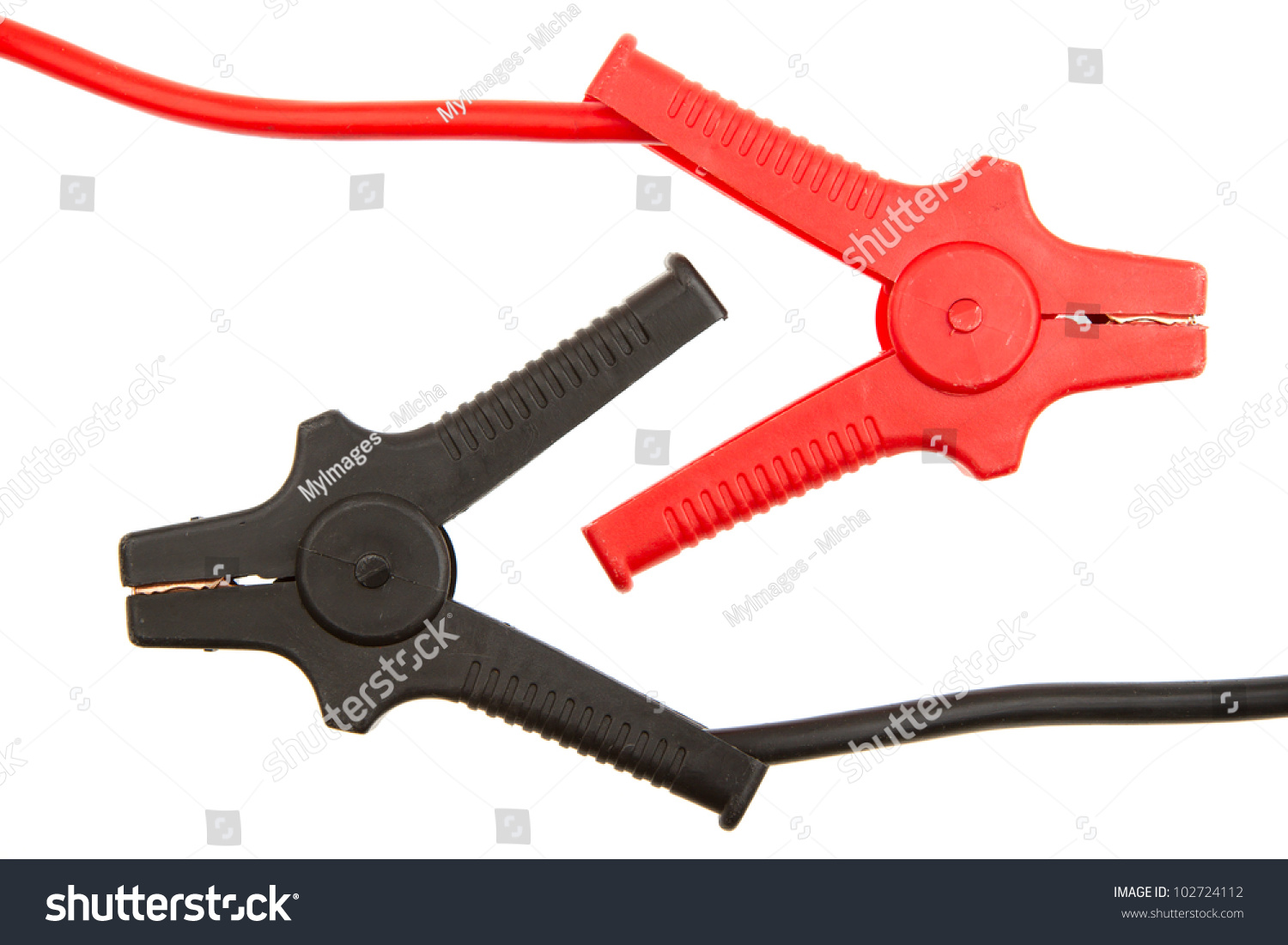
To jump-start a car, connect the red cable to the dead battery’s positive terminal and then to the booster’s positive terminal, the black cable to the booster’s negative terminal, and the other black clamp to bare metal on the dead car’s engine, not its battery. Start the good car, then the dead one, and remove the cables in reverse order. The steps below follow Haynes’ guide (May 2025). Read your car’s manual first, because some cars have special jump terminals or recommendations.
What should you do before you jump-start a car?
- Read the manual. Haynes says to check for any special recommendations, and that if you are in any doubt, you can call AAA or your roadside assistance.
- Park the cars close but not touching. The cables must reach, and the vehicles must not touch each other.
- Keep the cables clear of moving parts such as the fan and drive belts.
- Match the voltage. The booster battery must be the same voltage as the dead one; Haynes says nearly all modern car and truck batteries are 12 volts.
- Switch both ignitions off, with manual transmissions in Neutral and the parking brake set, or automatics in Park.
- Turn off lights and other loads on the dead car. Haynes adds that on a modern car with a computer, turning on the heater blower motor helps minimise damage from an electrical surge.
- Wear safety goggles. Haynes says there is always a chance of an explosion and batteries are full of acid.
In what order do the jumper cables go?
- Connect the red cable to the positive terminal of the dead battery (or the jump-start terminal on a car with a remote-mounted battery).
- Connect the other end of the red cable to the positive terminal of the booster battery.
- Connect the black cable to the negative terminal of the booster battery.
- Connect the other end of the black cable to a well-grounded bolt or bracket on the engine block of the car being jumped, not the battery itself. Haynes says this prevents sparks near the battery, which may cause an explosion.
- Start the car with the good battery and run it at a moderate speed to charge both batteries.
- Start the car with the discharged battery.
- Reduce both engines to idle and leave all switches off to avoid damaging the electrical system.
- Remove the cables in the reverse order, never letting the red and black clamps touch each other.
- If the charging system and battery of the jumped car are in good condition, Haynes says 30 minutes of driving should bring it back to a full charge.
Haynes says that depending on how dead the battery is, the car may not start straight away; leaving the two cars connected with the good car running gives the dead one some charge.
How do you jump-start a car without another vehicle?
Haynes says a jump-start pack lets you start the car on your own. Switch off the lights and accessories on your car, connect the black cable to the negative terminal and then the red cable to the positive terminal, make sure the pack is switched on and has enough charge, and after a few seconds try to start the car. Haynes notes that most packs hold their charge for months. Follow the pack’s own instructions, which may differ.
What if the car will not jump-start?
Haynes notes that in extreme cold a perfectly working car may need a boost, because batteries put out less energy the lower the temperature while needing more power to turn over. If you need frequent jumps the battery or charging system is at fault; see signs of a dying car battery and how long car batteries last. Clean terminals help too: see how to clean battery terminals.
Frequently asked questions
Which terminal does the last black clamp go on?
On a well-grounded bolt or bracket on the engine block of the dead car, not on its battery, to avoid sparks near the battery (Haynes).
How long should I leave the cars connected?
The Haynes guide says to leave them hooked up with the good car running to give the dead one some charge; it does not give a time. Check your manual for any time it recommends.
Can I jump-start a car if I am not sure how?
Haynes says that if you are in any doubt you should call AAA or your local roadside assistance.
Source: Haynes, “How to Jump-Start a Car (Safely & Easily)” (U.S., May 2025, read 13 November 2026).