Recognizing the symptoms of a failing car alternator early is critical to prevent unexpected vehicle breakdowns and costly repairs, as the alternator is the primary component responsible for generating electrical power while your engine is running. This comprehensive guide will detail the seven definitive warning signs that indicate your vehicle’s alternator is in distress, providing you with the knowledge to diagnose and address issues proactively before you’re left stranded.
What Role Does the Alternator Play in Your Vehicle’s Electrical System?
The alternator is a vital component in your vehicle’s intricate 12V electrical system, operating in conjunction with the car battery to ensure a consistent and reliable power supply. Its primary function is to convert mechanical energy from the engine’s crankshaft into electrical energy through electromagnetic induction. This generated electricity is then used to power all of your car’s electrical accessories and systems, from the ignition and fuel pump to the headlights, radio, and power windows.
Beyond powering accessories, the alternator’s most critical role is to continuously recharge the car battery once the engine has started. While the battery provides the initial surge of power to crank the engine, the alternator takes over to maintain the 12V system’s charge, ensuring the battery remains topped up for subsequent starts and providing sufficient voltage for ongoing operations. Without a properly functioning alternator, the battery would quickly deplete, leading to a complete loss of electrical power and an inoperable vehicle.
Understanding this symbiotic relationship is key to appreciating the alternator’s significance. A healthy alternator outputs a consistent voltage, typically ranging between 13.5 to 14.7 volts, to efficiently charge the battery and meet the demands of all electrical components. Any deviation from this optimal range can signal an impending failure, impacting everything from engine performance to safety features.
Decoding the Dashboard: The Illumination of the Battery Warning Light
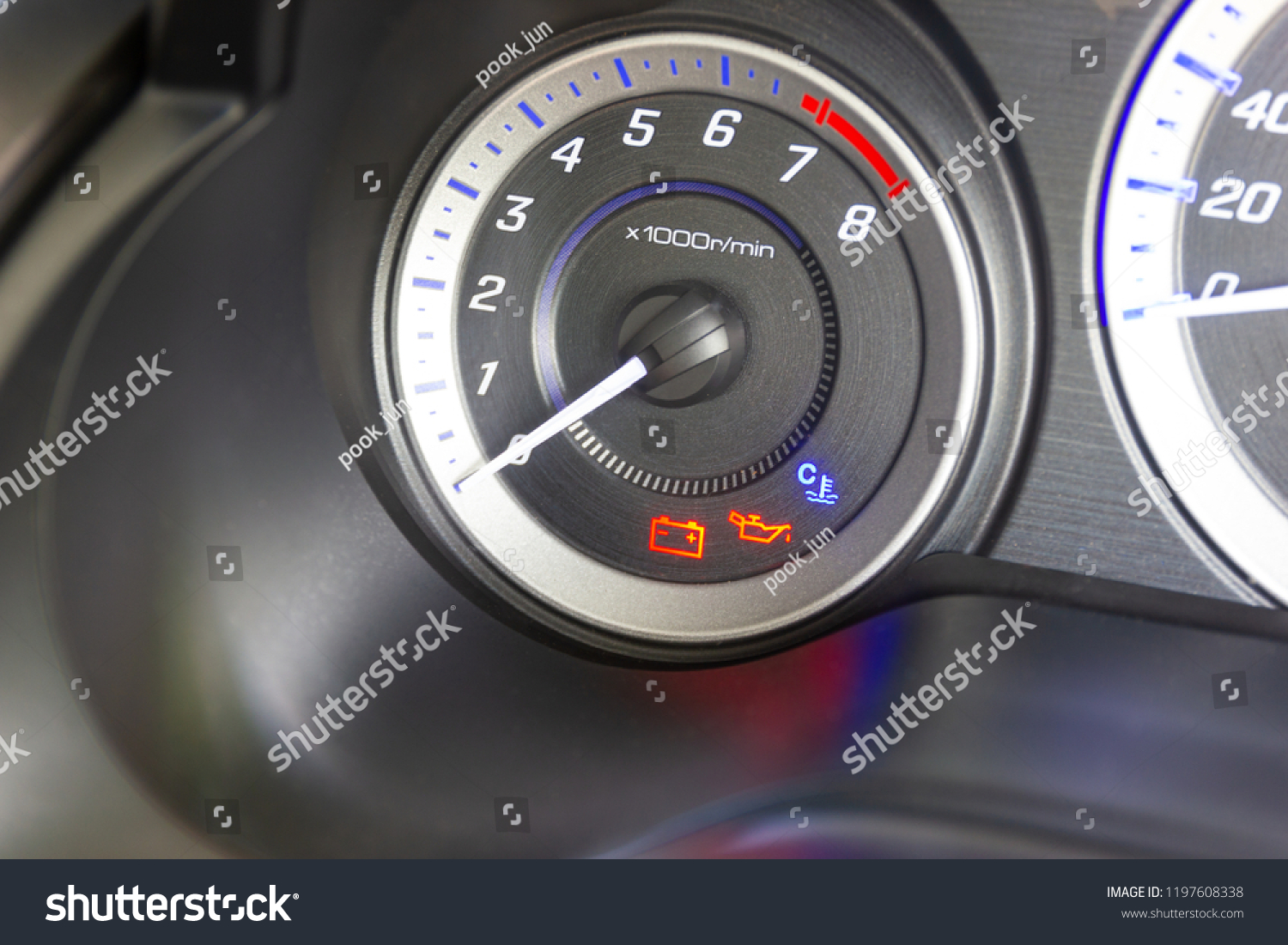
One of the most immediate and undeniable indicators of a potential alternator problem is the illumination of the battery warning light on your dashboard. This light, often depicted as a battery symbol, is not solely an indicator of a failing battery; more frequently, it signals an issue within the vehicle’s charging system, with the alternator being the primary suspect. The light typically activates when the alternator’s output voltage drops below a specified threshold, failing to adequately charge the 12V battery.
When this warning light appears, it means the vehicle’s electrical system is operating solely on battery power, which is a finite resource. Modern vehicles often monitor the charging system’s voltage and current, triggering this warning when the output falls below approximately 13.2 volts or if there’s an overcharge condition exceeding 15.0 volts. Ignoring this light can lead rapidly to a dead battery and a non-starting vehicle.
Upon seeing the battery warning light, it’s crucial to minimize electrical load by turning off non-essential accessories like the radio, air conditioning, and seat heaters. This conserves the remaining battery power, potentially allowing you to reach a service station for diagnosis. A quick diagnostic check with a multimeter can confirm the alternator’s output voltage, providing concrete evidence of its condition.
Dimming Lights and Flickering Displays: A Clear Sign of Electrical Distress
Before the battery warning light fully illuminates, or sometimes even in conjunction with it, you might observe a general weakening or flickering of your vehicle’s lights and electronic displays. This can manifest as headlights that appear dim, especially at idle or lower RPMs, dashboard lights that fluctuate in brightness, or interior lights that seem to pulse intermittently. These inconsistent power deliveries are a direct result of an alternator struggling to maintain a steady voltage output.
As the alternator’s internal components, such as the rectifier or voltage regulator, begin to fail, its ability to generate a stable electrical current diminishes. This leads to an insufficient power supply for all the vehicle’s electrical needs. When the engine is running at lower speeds, the alternator’s output is naturally lower, making these dimming and flickering symptoms more pronounced. As you accelerate, the engine RPMs increase, and the alternator might temporarily produce enough power to alleviate the symptoms, only for them to return when you slow down.
This electrical distress isn’t limited to just lights. You might also notice that the infotainment system’s display flickers, the power windows operate more slowly than usual, or other auxiliary electronics seem to behave erratically. These are all critical indicators that the 12V power supply is compromised, pointing directly to a failing alternator that can no longer meet the electrical demands of the vehicle.
The Slow Crank: When Your Engine Struggles to Start
A car that cranks slowly or hesitates to start is often immediately attributed to a failing car battery, but it can frequently be a secondary symptom of a primary alternator problem. If the alternator isn’t properly charging the battery while the car is running, the battery’s charge will gradually deplete over time. This depletion manifests as reduced cranking power, making it difficult for the starter motor to turn the engine over effectively.
Unlike a battery that suddenly dies, a slow crank caused by an alternator issue typically develops over several days or weeks. Each time you start the car, the battery expends energy, and if the alternator isn’t replenishing that energy sufficiently during your drives, the battery’s state of charge decreases with every cycle. Eventually, the battery lacks the necessary cold cranking amps (CCA) to robustly start the engine.
While a technician might initially test the battery and find it to be “weak,” the underlying cause could be the alternator’s inability to maintain its charge. It’s crucial to perform a full charging system test, including both battery and alternator output, to accurately diagnose the root cause of a slow crank. Simply replacing the battery without addressing a faulty alternator will only lead to a repeat of the symptom with the new battery.
Unusual Noises from Under the Hood: The Alternator’s Audible Warnings
A failing alternator doesn’t always signal its demise through electrical symptoms alone; it can also make its presence known through distinct mechanical noises emanating from under the hood. The most common auditory warning is a whining or grinding noise, which typically increases in pitch or volume as the engine RPMs rise. This sound often indicates worn bearings within the alternator itself.
The alternator contains internal bearings that allow its rotor to spin smoothly. Over time, these bearings can wear out, losing their lubrication or becoming pitted, leading to metallic friction and the characteristic whining or grinding sound. If left unaddressed, worn bearings can seize, causing the serpentine belt to slip or break, leading to a complete failure of the charging system and potentially other belt-driven components, such as the power steering pump or radiator fan.
Another related sound might be a squealing noise, which often points to a loose or worn serpentine belt that drives the alternator. While not strictly an alternator fault, a loose belt prevents the alternator from being driven effectively, reducing its output. This can often be resolved by tightening or replacing the belt, but it’s important to rule out a partially seized alternator pulley as the cause of the belt slippage.
The Smell of Burning Rubber or Overheated Wires: A Pungent Indicator
An unmistakable burning odor, akin to hot rubber or overheated electrical wiring, is a serious warning sign that should never be ignored. This smell can originate from several issues within the alternator or its immediate vicinity, all of which demand immediate attention to prevent further damage or even a fire hazard.
If the smell resembles burning rubber, it likely points to an overworked serpentine belt. This can occur if the alternator’s pulley is binding or if the internal components of the alternator are seizing, causing the belt to slip excessively on the pulley. The friction generated by this slippage creates intense heat and the distinct burning rubber smell. Continued operation under these conditions will quickly degrade and potentially snap the serpentine belt, rendering the vehicle inoperable.
A smell of burning electrical insulation or hot wires, on the other hand, indicates an internal electrical short within the alternator or severely overheated wiring due to excessive current draw. This can happen if the alternator’s rectifier diodes fail, leading to an overcharge condition, or if there’s internal damage causing components to overheat. Such a smell is extremely critical and suggests a high risk of electrical system failure and potential fire. Immediate professional inspection is strongly advised.
Electrical Component Malfunctions: Intermittent Failures and Odd Behavior
Beyond the dimming lights, a failing alternator can lead to a host of other perplexing electrical component malfunctions. As the alternator struggles to provide a stable 12V power supply, various vehicle systems that rely on a consistent voltage and current will begin to act erratically or cease functioning altogether. This can include anything from your power windows moving unusually slowly to your radio cutting out intermittently or your heated seats failing to activate.
Modern vehicles are heavily reliant on their electrical systems, with numerous modules and sensors demanding precise voltage. When the alternator’s output becomes unstable or drops below the required threshold, these sensitive components can malfunction. For instance, the navigation system might reset spontaneously, the power mirrors might fail to adjust, or even critical engine management systems could be affected, leading to rough idling or stalling.
It’s important to note that these symptoms can sometimes be intermittent, appearing more frequently during periods of high electrical load (e.g., driving at night with headlights, wipers, and defroster on) or at lower engine RPMs. These inconsistent failures are strong indicators that the vehicle’s electrical system is not receiving the steady, robust power it requires, with the alternator being the most probable culprit. Don’t forget that issues with components like your shock absorbers also have specific warning signs unrelated to the electrical system.
Diagnosing a Failing Alternator: Essential Voltage Tests
Accurately diagnosing a failing alternator often involves a simple yet critical voltage test using a multimeter. This diagnostic method allows you to verify the alternator’s output and determine if it’s operating within the vehicle’s specified 12V charging system parameters. The process is straightforward and provides concrete data to confirm suspicions arising from the warning signs.
To perform a basic test, set your multimeter to DC volts and connect the positive lead to the positive terminal of the car battery and the negative lead to the negative terminal. With the engine off, a fully charged 12V battery should read approximately 12.6 volts. Once you start the engine, the voltage reading should immediately jump to a higher range, typically between 13.5 volts and 14.7 volts. This increase indicates that the alternator is actively charging the battery and powering the vehicle’s electrical systems.
If the voltage remains around 12.0-12.6 volts with the engine running, or if it fluctuates erratically outside the 13.5-14.7 volt range, it strongly suggests a problem with the alternator or its voltage regulator. You can further test by turning on various electrical accessories (headlights, AC, radio) and observing if the voltage drops significantly below 13.0 volts. A healthy alternator should be able to maintain its output even under load. If your readings consistently show low voltage or excessive fluctuation, the alternator is likely failing and requires professional attention.
| Condition | Engine Off Voltage (12V Battery) | Engine Running Voltage (No Load) | Engine Running Voltage (Under Load) |
|---|---|---|---|
| Normal Operation | 12.6V – 12.8V | 13.8V – 14.7V | 13.5V – 14.5V (slight drop acceptable) |
| Failing Alternator | 12.0V – 12.5V (due to undercharging) | 12.0V – 13.0V (no significant increase) | Below 12.0V (significant drop) |
| Overcharging Alternator | N/A | Over 15.0V | Over 15.0V |
Proactive Maintenance to Extend Alternator Life
While alternators are robust components designed for longevity, proactive maintenance can significantly extend their lifespan and help you avoid unexpected failures. Regularly inspecting the serpentine belt for signs of wear, cracks, or fraying is a simple yet effective step. Ensure the belt has proper tension; a loose belt can slip, reducing alternator output, while an overly tight belt can stress the alternator’s bearings. Consult your vehicle’s service manual for the correct tension specifications and replacement intervals.
Additionally, keeping your battery terminals clean and free of corrosion ensures optimal electrical contact, reducing strain on the charging system. Corroded terminals can impede the flow of current, forcing the alternator to work harder to maintain the 12V charge. Periodically check the wiring connections to the alternator for any signs of looseness, damage, or fraying, as compromised wiring can lead to inconsistent power delivery.
Finally, avoid excessive electrical loads, especially when the engine is idling or at low RPMs. Running multiple power-hungry accessories simultaneously, such as a high-wattage sound system, heated seats, and full beam headlights, can overwork the alternator. If you frequently add aftermarket electrical components, ensure your alternator’s capacity is sufficient or consider an upgrade. Promptly addressing any of the warning signs discussed will help preserve your alternator and overall vehicle health, much like understanding the symptoms of a failing car radiator or bad shock absorbers contributes to comprehensive vehicle care.
How long does a car alternator typically last?
The lifespan of a car alternator can vary significantly based on vehicle make, model, driving conditions, and maintenance habits. On average, most alternators are designed to last between 80,000 to 150,000 miles, or roughly 5 to 8 years. However, some alternators can fail much sooner due to manufacturing defects, extreme heat exposure, consistent overloading from excessive electrical accessories, or persistent fluid leaks from nearby components like the power steering pump or radiator. Regular inspections of the serpentine belt, battery terminals, and wiring can help identify potential issues that might shorten its lifespan.
Can I drive with a failing alternator?
While it is technically possible to drive a short distance with a failing alternator, it is highly unadvisable and should only be done in an emergency to reach a safe location or repair shop. Once the alternator stops charging, your vehicle operates solely on the power stored in its 12V battery. The duration you can drive depends entirely on the battery’s charge level and the electrical load. With minimal accessories running, you might get 15-30 minutes, but with headlights, radio, and air conditioning on, the battery could deplete in minutes. Driving with a failing alternator risks sudden power loss, stranding you, and potentially damaging other electrical components due to unstable voltage. It’s crucial to address the issue immediately upon recognizing symptoms.
What’s the difference between a bad battery and a bad alternator?
A bad battery and a bad alternator can present similar symptoms, such as a no-start condition or dim lights, but their roles in the vehicle’s electrical system are distinct. The car battery provides the initial burst of 12V electricity to start the engine and acts as a reservoir to smooth out voltage fluctuations. It stores electrical energy. The alternator, conversely, generates electricity once the engine is running, powering the vehicle’s electrical systems and recharging the battery. A common diagnostic check involves testing the battery voltage with the engine off (should be ~12.6V) and then with the engine running (should be 13.5V-14.7V). If the voltage doesn’t rise with the engine on, the alternator is likely at fault. If the battery voltage is low even after a full charge and a good alternator, the battery is likely bad.
How much does an alternator replacement cost?
The cost of an alternator replacement can vary significantly depending on the vehicle’s make and model, the type of alternator (new, remanufactured, or aftermarket), and labor rates at the repair shop. Generally, you can expect to pay between $300 and $800 for parts and labor. The alternator unit itself typically costs between $150 and $400 for most passenger vehicles, but specialized or high-performance alternators can be more expensive. Labor costs usually range from $150 to $400, as replacing an alternator can involve varying degrees of complexity and accessibility within the engine bay. It’s always advisable to get multiple quotes and ensure the repair includes a warranty on both parts and labor.