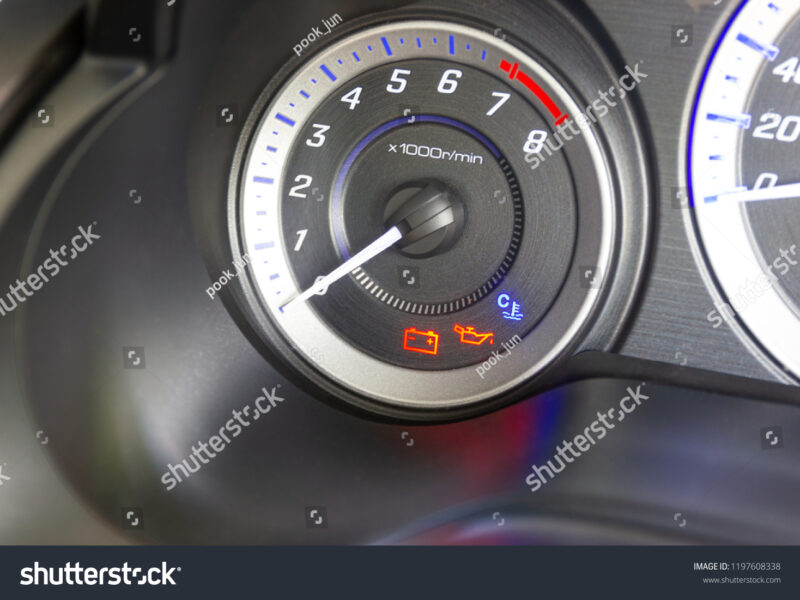
Your vehicle’s electrical system demands the right voltage to operate efficiently. When you experience a car battery voltage drop, it signals energy loss that can result in frustrating problems, such as slow engine cranking or flickering lights. The good news is that you can restore your car’s power with the right approach.
This expert guide provides practical steps to diagnose and tackle voltage drop issues effectively. From using a multimeter for precise voltage measurements to identifying common culprits—aging batteries, parasitic drains, or faulty alternators—myth-busting knowledge awaits you to ensure your vehicle’s electrical performance stays optimal.
How do you troubleshoot car battery voltage drops?
Troubleshooting car battery voltage drops begins with a clear strategy. Understand the symptoms, accurately measure the voltage using a multimeter, and execute specific tests on the battery, alternator, and wiring systems to identify and resolve the issues.
What are the common symptoms and causes of a car battery voltage drop?
Symptoms of a car battery voltage drop can manifest in various ways. Expect slow engine cranking, dim headlights, and inconsistent operation of electrical accessories. Identifying the potential causes is crucial to addressing these problems effectively.
Common Symptoms of Car Battery Voltage Drop:
- Slow engine cranking, possibly accompanied by a clicking sound.
- Dim headlights or flickering dashboard lights indicating weakness in power.
- Erratic performance of electrical accessories, such as power windows and infotainment systems.
Primary Causes of Car Battery Voltage Drop:
- Aging Battery: With a typical lifespan of 3-5 years, an aging battery may struggle to maintain its charge due to increased internal resistance.
- Parasitic Drain: Electrical components draining power when your vehicle is off can lead to significant battery depletion.
- Alternator Malfunctions: A faulty alternator may fail to recharge the battery adequately while driving, with healthy systems producing between 13.7 and 14.7 volts.
- Poor Connections: Corroded or loose battery terminals and cables introduce resistance, hindering voltage flow.
- Extreme Temperatures: Both extreme heat and cold can adversely affect battery performance and lifespan.
- Undersized Wiring: Insufficient wiring gauge for the electrical load can increase resistance and voltage drops.
How do you accurately measure and identify a car battery voltage drop?
To effectively measure and identify a car battery voltage drop, you’ll need a digital multimeter (DMM). Use it to conduct static, cranking, charging, and specific circuit voltage tests, comparing your results to established healthy voltage ranges.
A digital multimeter (DMM) is invaluable for performing precise voltage measurements.
Recommended Car Battery Voltage Readings:
| Test Condition | Expected Voltage Range (12V Battery) | Indication if Below Range |
|---|---|---|
| Engine Off (Static/Resting Voltage) | 12.6 – 12.8 volts (fully charged) | Indicates a discharged battery if below 12.4V |
| Engine Cranking (During Start-up) | Not below 9.6 – 10.5 volts | Suggests a weak battery or poor connections if below this range |
| Engine Running (Charging System Test) | 13.7 – 14.7 volts | Insufficient charging if below 13.5V, indicating a potential alternator fault |
Voltage Drop Test Procedures on Circuits:
To identify unwanted resistance, measure the voltage drop across specific components or wiring sections (e.g., between the battery post and cable clamp). Acceptable voltage drops for positive and negative circuits typically range from 0.03 to 0.40 volts. A voltage drop exceeding 0.2 volts across a battery cable indicates a significant issue.
- Prepare the Multimeter: Set your DMM to the 20V DC scale.
- Static Voltage Test (Engine Off): Connect the red probe to the positive (+) battery terminal and the black probe to the negative (-) terminal. A healthy battery should read between 12.6 and 12.8 volts. Readings below 12.4 volts suggest a discharged battery.
- Cranking Voltage Test (During Start-up): With the probes attached, have someone crank the engine. For a 12V battery, the voltage should not drop below 9.6 to 10.5 volts. If lower, it may indicate a weak battery or excessive starter current draw.
- Charging System Test (Engine Running): When the engine is running, the multimeter should read between 13.7 and 14.7 volts, confirming proper alternator performance. Readings below 13.5 volts indicate insufficient charging.
- Voltage Drop Test on Circuits: Measure the voltage drop across key components or wire segments. An excessive voltage drop signifies unwanted resistance; a drop of more than 0.2 volts across a battery cable is noteworthy.
What are the consequences of sustained car battery voltage drops?
When a car battery experiences sustained voltage drops, the repercussions can be severe. You may face premature component failure, damaged internal electronics, reduced vehicle efficiency, compromised safety systems, and an increased likelihood of sudden breakdowns.
- Premature Component Failure: Frequent strain on the alternator and starter motor can lead to early wear and eventual failure.
- Damage to Internal Components: Low voltage levels can be detrimental to sensitive sensors, electronic control units (ECUs), and other vital hardware.
- Reduced Efficiency and Safety: Insufficient voltage can hamper fuel efficiency and can lead to malfunctions in critical systems, such as lights and airbags.
- Increased Risk of Breakdowns: A persistently weak battery raises the risk of unexpected vehicle failures, leaving you stranded.
How do you troubleshoot and rectify car battery voltage drops?
The process of troubleshooting and rectifying car battery voltage drops involves ensuring the battery is fully charged before conducting thorough testing. You’ll need a high-quality car battery charger for this task.
Step-by-Step Troubleshooting and Rectification:
- Inspect Battery Terminals and Cables: Look for corrosion, which can create resistance, or any signs of looseness in connections. Clean the terminals with a wire brush and a baking soda solution, and ensure all connections are tight.
- Test Battery Health: Carry out static, cranking, and charging voltage tests using a multimeter. A professional battery load test can provide a definitive assessment. If the battery frequently fails to maintain voltage, it may need replacement.
- Check Alternator Output: Ensure that the alternator is charging properly, maintaining voltages between 13.7V and 14.7V while the engine runs. Lower outputs may indicate alternator or voltage regulator issues.
- Diagnose Parasitic Draws: Utilize an ammeter to evaluate any excessive current draw when the vehicle is off. Monitor each circuit by removing fuses one at a time to locate faulty components.
- Inspect Ground Connections: Verify that all ground straps and connections to the chassis/engine/body are clean and secure. Poor connections can lead to unwanted resistance.
- Evaluate Wiring and Fuses: Inspect all visible wiring for damage like frays or burns. Confirm continuity in relevant fuses with your multimeter; a blown fuse could contribute to voltage drop issues.
When should you consider car battery replacement?
Consider replacing your car battery if it consistently struggles to hold a charge, drops below 9.6 volts during cranking, shows physical deterioration, or reaches its typical lifespan of 3 to 5 years.
Indicators for Car Battery Replacement:
| Indicator | Description |
|---|---|
| Consistent Charge Failure | The battery cannot maintain a full charge despite proper charging. |
| Low Cranking Voltage | Voltage dips below 9.6-10.5 volts during engine cranking. |
| Physical Damage | Visible signs like bulging, cracks, or heavy corrosion around terminals. |
| Age | The battery is typically 3-5 years old or older, nearing the end of its life. |
What is an acceptable voltage drop during engine cranking?
An acceptable voltage drop during engine cranking for a 12-volt car battery is ideally not falling below 9.6 to 10.5 volts. Healthy systems often maintain above 9 volts. Any significant drop below this range suggests issues either with the battery or starting circuit.
Can a weak alternator cause car battery voltage drop?
Absolutely. A weak or malfunctioning alternator is a leading cause of voltage drops in your car battery, particularly while driving. Since it’s responsible for recharging the battery and powering the vehicle’s electrical systems, failure to produce adequate voltage (typically 13.7V-14.7V) will lead to a drained battery and system-wide voltage issues.
How often should you check your car battery voltage?
We recommend checking your car battery voltage at least monthly, or every 3-6 months. Consider increasing the frequency during extreme weather or if you’re experiencing performance problems.
Recommended Car Battery Voltage Check Frequency:
| Frequency | Notes |
|---|---|
| Monthly | A proactive maintenance recommendation. |
| Every 3-6 Months | For routine maintenance checks. |
| Late Fall & Late Spring | Advisable in regions with extreme weather conditions. |
| Every 6,000 Miles / Twice a Year | This often aligns with other vehicle maintenance schedules. |
| When Experiencing Issues | Immediately check when slow cranking or dim lights occur. |