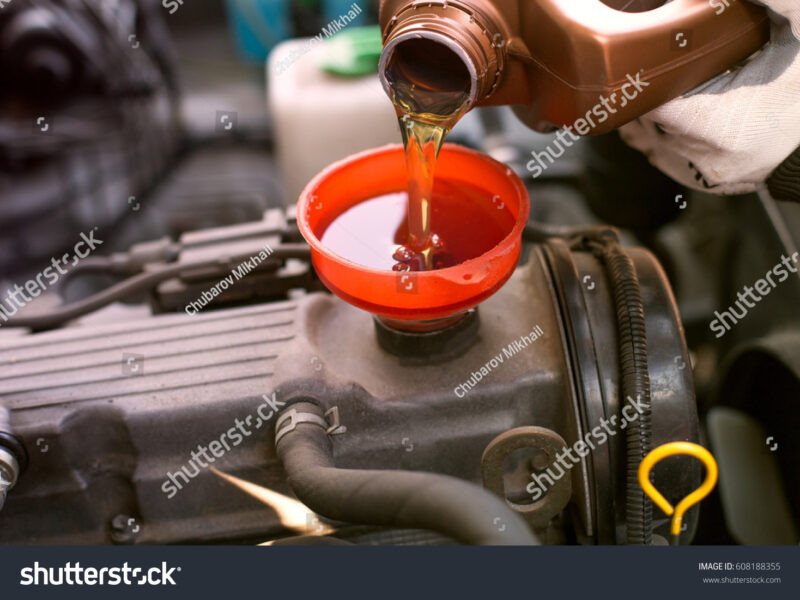
Choosing the right oil filter for extended drain intervals synthetic oil can become a pivotal decision for vehicle owners looking to enhance engine performance. These specialized filters are designed not just to trap particles but to ensure that your engine operates smoothly over extended periods. This efficiency is crucial when paired with synthetic engine oils, which resist thermal breakdown and the buildup of contaminants, allowing drivers to stretch the duration between oil changes significantly.
What Distinguishes an Oil Filter for Extended Drain Intervals from a Standard Filter?
The key difference between an extended drain interval oil filter and a standard one lies in its construction, filtration media, and dirt-holding capacity. Extended service filters utilize advanced synthetic or blended filtration materials specifically designed to capture contaminants more effectively and last longer. Unlike standard filters that often rely on cellulose media, which has limited capacity, these premium filters ensure structural integrity, delivering unparalleled performance even over long service periods.
How Does Synthetic Oil Influence the Requirements for an Oil Filter?
Synthetic oil significantly alters the requirements for oil filters, as its superior thermal stability, oxidation resistance, and contaminant suspension properties necessitate a filter capable of matching its extended lifespan. This means an oil filter for extended drain intervals must adeptly prevent premature clogging and ensure optimal oil flow, regardless of changing operating conditions.
What Key Attributes Define a High-Performance Oil Filter for Synthetic Oil?
The hallmark of a high-performance oil filter designed for synthetic oil includes advanced filtration media, enhanced dirt holding capacity, and robust construction. These characteristics work in tandem to provide efficient contaminant removal while ensuring durability over extended periods. The design must also support higher oil flow rates and maintain filtration consistency under various pressures and temperatures.
What is the Role of Filtration Media in Extended Service Oil Filters?
The filtration media used in extended service oil filters is predominantly synthetic. Engineered to ensure superior contaminant capture and uninterrupted oil flow, these media options typically incorporate micro-glass, synthetic fibers, or a blend of synthetic and cellulose fibers. Such combinations offer a larger surface area and finer filtration capabilities compared to traditional cellulose media, resisting degradation from harsh engine environments and additives to maintain performance throughout the filter’s lifespan.
Why is Dirt Holding Capacity Crucial for Extended Oil Change Intervals?
Dirt holding capacity is vital for extended oil change intervals because it dictates how many contaminants an oil filter can trap before it becomes ineffective. Filters designed for extended drains boast higher dirt holding capacities—often measured in grams—allowing them to capture more particulates without compromising essential engine protection. This feature is crucial in preventing premature filter clogging and ensuring consistent oil flow to critical engine components.
What Construction Features Enhance Durability in Long-Life Oil Filters?
Durability in long-life oil filters stems from specific construction features: heavy-gauge steel housings, reinforced base plates, high-strength center tubes, and premium silicone anti-drain back valves and gaskets. These components are key in preventing structural collapse under pressure, resisting corrosion, and ensuring a leak-proof seal for immediate oil delivery upon engine start-up. Such robust designs guarantee that the filter functions optimally throughout extended service intervals, averting oil bypass due to filter failures.
| Feature | Standard Oil Filter | Extended Drain Interval Oil Filter |
|---|---|---|
| Filtration Media Type | Cellulose or Basic Synthetic Blend | Full Synthetic, Micro-Glass, or Advanced Blend |
| Dirt Holding Capacity | Lower (typically 10-15 grams) | Higher (typically 20-40+ grams) |
| Micron Rating | Often 20-30 microns nominal | Typically 10-25 microns absolute/nominal |
| Lifespan (with Synthetic Oil) | 3,000-7,500 miles or 3-6 months | 10,000-20,000+ miles or 6-12+ months |
| Construction Materials | Basic steel housing, nitrile gaskets | Heavy-gauge steel housing, silicone gaskets, reinforced components |
| Pressure Differential Resistance | Lower | Higher |
How Do Micron Ratings and Efficiency Impact Engine Protection with Extended Drain Filters?
Micron ratings and efficiency are essential variables impacting engine protection, determining the size and quantity of particles that an oil filter can remove from the oil stream. Extended drain filters often feature lower micron ratings (e.g., 10-25 microns absolute/nominal) and higher efficiency ratings, meaning they can capture smaller particles and a greater percentage of harmful contaminants. This improved filtration effectively safeguards critical engine components from abrasive wear during prolonged oil change intervals. Understanding oil filter efficiency ratings is vital for maintaining optimal engine health.
What are the Benefits of Pairing Extended Drain Oil Filters with Synthetic Lubricants?
Pairing extended drain oil filters with synthetic lubricants yields several advantages, including exceptional engine protection, reduced maintenance frequency, and potential environmental benefits. This combination ensures that engines remain supplied with cleaner oil for longer durations, significantly minimizing engine wear caused by contaminants. Moreover, it extends the intervals between service appointments, saving time and costs, while also reducing the disposal of used oil and filters.
How Does One Select the Correct Extended Service Oil Filter for a Specific Vehicle?
Selecting the appropriate extended service oil filter begins with consulting the vehicle manufacturer’s specifications. Vehicle owners should refer to their owner’s manual for recommended filter types and specifications, including proper fitment and bypass valve pressure settings. Trustworthy filter brands typically offer application guides that match specific vehicles with their compatible extended-life oil filters, ensuring optimal function and engine protection.
How often should an extended drain interval oil filter be changed with synthetic oil?
An extended drain interval oil filter should generally be changed every 10,000 to 20,000 miles or every 6 to 12 months, depending on the filter and oil manufacturer’s specific recommendations and driving conditions. Always consult your vehicle’s owner’s manual along with the guidance provided for both the oil and filter for precise intervals.
Can a standard oil filter be used with synthetic oil for extended intervals?
No, using a standard oil filter with synthetic oil over extended intervals is not recommended. Standard filters, with their cellulose media and limited dirt-holding capacities, are not engineered to last as long as synthetic oils can endure. This may lead to premature clogging, restricted oil flow, or activation of the bypass valve, all of which compromise engine protection.
Do all synthetic oils support extended drain intervals?
No, not all synthetic oils are designed to facilitate extended drain intervals. It hinges on the formulation and additive package of the specific synthetic oil. While synthetic oils generally outperform conventional oils and last longer, only those explicitly formulated for extended drain intervals—often labeled as “long-life” or “extended performance”—should be used in such contexts. Always verify the oil’s specifications to ensure suitability for extended service.