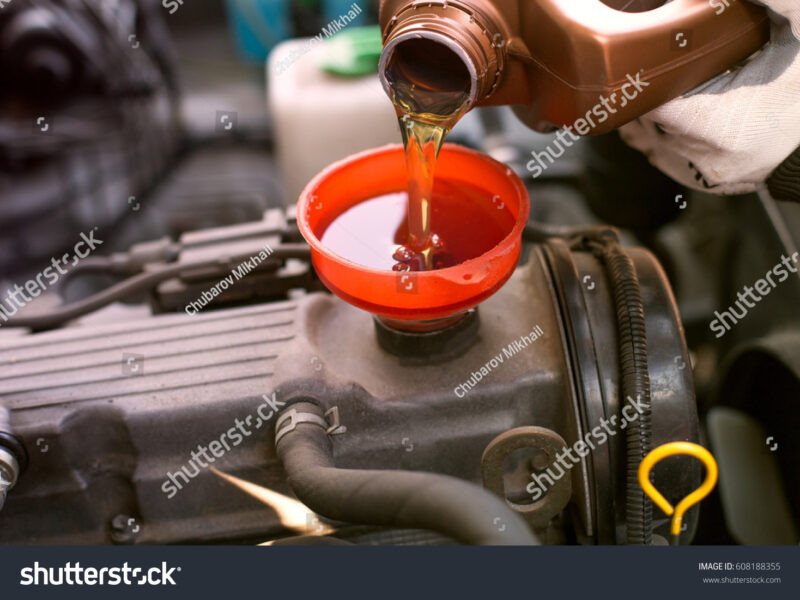
Oil filter efficiency ratings serve as a crucial metric, quantifying an oil filter’s ability to eliminate contaminants from engine oil. This essential capability maintains optimal engine health, safeguarding internal combustion engines against wear from abrasive particles and extending their lifespan.
What Constitute Oil Filter Efficiency Ratings?
Oil filter efficiency ratings indicate the percentage of specific-sized particles an oil filter can effectively capture and retain. These ratings are vital performance indicators, as they directly influence the cleanliness of engine oil circulating through your engine’s most critical components. The effectiveness of a filter is typically measured by both the pore size of the filter media and the overall design of the filter.
How Is Oil Filter Efficiency Measured? The Role of Micron Ratings and Beta Ratio
Oil filter efficiency is primarily evaluated through micron ratings and the Beta Ratio. A micron rating specifies the smallest particle size, measured in micrometers, that a filter can theoretically capture. A “nominal micron rating” indicates the filter traps a certain percentage of particles at a specified size, while an “absolute micron rating” denotes nearly complete retention of particles at or above that size. The Beta Ratio, or Beta Efficiency (?x), offers a precise measurement of efficiency for specific particle sizes, often assessed using standards like ISO 4548-12. It’s calculated by dividing the number of particles upstream of the filter by those downstream at a designated micron size (x). For instance, a Beta Ratio of 20 at 20 microns (?20=20) signifies that for every 20 particles of 20 microns entering the filter, only one exits, reflecting a 95% efficiency (1 – 1/20 = 0.95).
What Types of Filtration Media Influence Oil Filter Efficiency?
The type of filtration media used is foundational in determining an oil filter’s efficiency, capacity, and flow characteristics. Different materials excel in various aspects of particle retention and dirt-holding capacity.
- Cellulose Filters: These filters, composed of paper-like fibers, are the most common and economical. They effectively filter larger particles (typically 20-40 microns) but struggle with very fine contaminants.
- Synthetic Filters: Utilizing advanced synthetic fibers, such as fiberglass or polyester, synthetic filters offer superior efficiency, often capturing particles as small as 5-10 microns. Their uniform pore structure and increased surface area lead to higher dirt-holding capacity and optimal flow rates, even when they begin to accumulate contaminants.
- Blended Media Filters: Combining cellulose and synthetic fibers, these filters strike a balance between efficiency and cost, providing improved performance over pure cellulose filters while remaining more affordable than exclusively synthetic options.
How Does Filtration Media Impact Engine Component Protection?
The chosen filtration media directly correlates with the level of protection offered to engine components. Finer media, like that found in synthetic filters, significantly reduce the concentration of abrasive particles in the oil. This, in turn, diminishes wear on critical components such as bearings, camshafts, and cylinder walls, contributing to enhanced engine longevity and optimal performance.
Why Is High Oil Filter Efficiency Crucial for Engine Longevity?
High oil filter efficiency plays a vital role in engine longevity, primarily by minimizing the number of abrasive particles circulating within the oil system. Engine oil not only lubricates moving parts and dissipates heat but also transports contaminants, including dirt, carbon deposits, and microscopic metal fragments resulting from normal wear. An efficient oil filter captures these harmful particles, preventing them from causing detrimental damage to precision-engineered components. Continuous exposure to unfiltered contaminants accelerates wear, leading to reduced performance, increased fuel consumption, and ultimately, premature engine failure. Regularly replacing a high-efficiency filter ensures a consistent supply of clean oil, preserving the integrity of your engine.
How Do Oil Filter Bypass Valves Affect Overall Filtration?
Oil filter bypass valves, often referred to as pressure relief valves, are essential safety features designed to ensure a consistent flow of oil to the engine, even if the primary filter media becomes clogged or the oil’s viscosity is excessively high (such as during a cold start). When pressure across the filter surpasses a set threshold, the bypass valve opens, permitting unfiltered oil to pass through. While this prevents oil starvation, it also means that during these bypass moments, contaminants are not being removed. Frequent bypass events due to a dirty or subpar filter can undermine the advantages of high filtration efficiency, highlighting the necessity for timely filter changes. This elaborates the complex balancing act present in automotive engineering, a theme that resonates throughout various vehicle systems. To learn more about similar considerations, check out From Wagons to Wipers: The Evolution of Automotive Braking Systems.
What Are the Key Considerations When Choosing an Oil Filter Based on Efficiency?
Choosing the right oil filter requires evaluating its efficiency ratings alongside other operational factors. The following table compares common oil filter types based on their primary attributes:
| Attribute | Standard (Cellulose) Filter | Synthetic Filter | Blended Media Filter |
|---|---|---|---|
| Typical Micron Rating | 20-40 microns (nominal) | 5-10 microns (absolute/nominal) | 10-20 microns (nominal) |
| Efficiency (Beta Ratio) | Lower (e.g., β20=2) | Higher (e.g., β10=200) | Medium (e.g., β15=20) |
| Dirt-Holding Capacity | Standard | High | Medium-High |
| Flow Restriction | Moderate | Low | Moderate-Low |
| Cost | Low | High | Medium |
| Recommended Oil Type | Conventional, Semi-Synthetic | Synthetic, Extended Drain | All types |
When selecting an oil filter, consider the type of engine oil used, your driving conditions, and the manufacturer’s recommendations. For modern engines that utilize synthetic oils and extended drain intervals, a high-efficiency synthetic filter is typically advised to maximize contaminant removal over longer service periods. Alternatively, vehicles that run on conventional oils with standard drain intervals may find that a quality cellulose filter suffices. Understanding these aspects is crucial for making informed decisions about engine maintenance. For a deeper look into tools essential for comprehensive diagnostics and maintenance of various automotive systems, including fluid filtration, consider visiting Pro Diagnostics at Home: Essential Brake System Diagnostics Tools for DIY Troubleshooting.
What is the distinction between a nominal and absolute micron rating for oil filters?
A nominal micron rating indicates the approximate size of particles that a filter is designed to capture, usually representing a percentage of particles at that size, such as 50-80% removal. In contrast, an absolute micron rating indicates that a filter can remove nearly all (typically 98% or more) particles that meet or exceed the specified micron size, providing a more definitive measure of filtration effectiveness.
How does driving style influence the required oil filter efficiency?
Aggressive driving, frequent short trips, or operating in dusty conditions introduces more contaminants into the engine oil, necessitating a higher efficiency oil filter with superior dirt-holding capacity. Conversely, calm driving with fewer environmental challenges may allow for filters with standard efficiency, as long as they are replaced at the recommended intervals.
Can an oil filter be “too efficient” for an engine, causing oil starvation?
An oil filter that is “too efficient,” through excessively fine filtration combined with a restrictive design, could theoretically impede oil flow during cold starts when oil viscosity is elevated, possibly triggering the bypass valve prematurely. However, reputable high-efficiency filters are engineered to maintain adequate flow rates to avert oil starvation while maximizing filtration efficiency, commonly using advanced synthetic media that reduces flow restriction. This balance is vital for promoting engine longevity, much like ensuring the proper operation of other automotive systems for overall vehicle integrity, as explored in Understanding Advanced Emergency Braking Systems Beyond Traditional ABS, where sophisticated design guarantees both performance and safety.