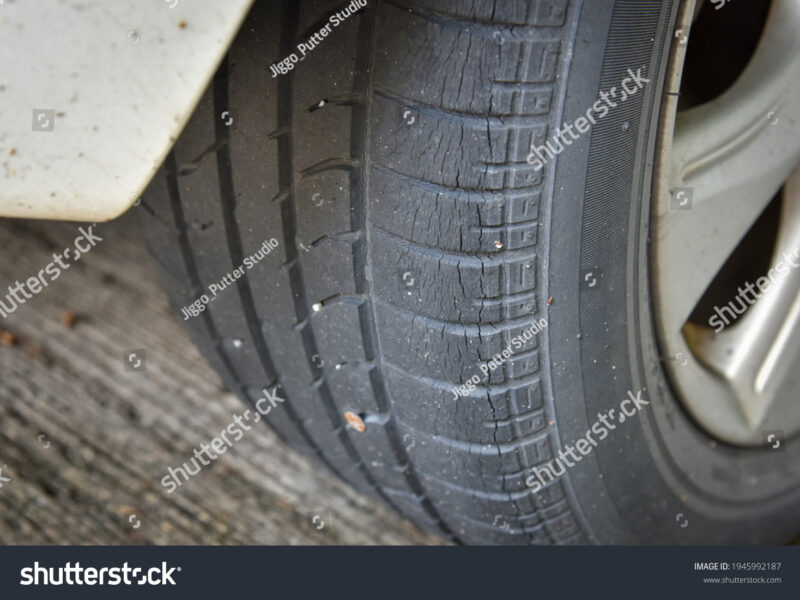
Imagine cruising down a sunlit highway, the wind in your hair, and your car gripping the pavement with confidence. This exhilarating experience is made possible by summer car tires—specially engineered components designed to provide maximum traction, handling, and braking performance in warm weather. When the mercury rises above 7°C (45°F), these tires shine, ensuring your vehicle’s dynamics are at their peak and your control is effortless.
What Are Summer Car Tires and How Do They Differ?
Summer car tires are high-performance tires meticulously crafted for driving when temperatures exceed 7°C (45°F). Their unique design features a harder rubber compound that responds well to heat and a specialized tread pattern that optimizes road contact. Unlike all-season or winter tires, summer tires prioritize performance in warm conditions, ensuring you stay safe and in control.
Rubber Compound Characteristics
The rubber compound in summer tires is a blend rich in natural rubber and high-quality polymers, designed to retain flexibility and grip even in heat. This unique mixture prevents degradation while driving in warmer conditions, ensuring consistent traction and responsive handling. However, it’s important to remember that this compound stiffens in cold temperatures, drastically compromising performance.
Tread Pattern Design
Summer tire tread patterns are tailored with fewer sipes (small cuts) and larger, solid tread blocks. This arrangement maximizes the contact patch on dry surfaces, enhancing grip and steering precision. Additionally, wide circumferential grooves efficiently channel water away from the tire, significantly diminishing the risk of hydroplaning during sudden summer showers.
Why Are Summer Tires Essential for Warm Weather Performance?
For those who enjoy driving, summer tires are not just optional—they are essential for performance in warmer months. Their unique characteristics translate into superior vehicle dynamics, shorter braking distances, and enhanced control, ensuring safety during your summer road adventures.
Enhanced Dry Grip and Handling
The specialized rubber compounds and robust tread blocks of summer tires deliver outstanding dry grip. This allows for higher cornering speeds, precise steering responses, and improved stability during more aggressive maneuvers. With a larger contact area, these tires ensure maximum adhesion to the asphalt.
Superior Wet Traction and Hydroplaning Resistance
Despite their primary design for dry conditions, summer tires excel in wet weather, thanks to their patented tread designs. The wide circumferential grooves rapidly remove water from beneath the tire, maintaining traction and minimizing hydroplaning risks. This capability is crucial for safe driving during unexpected summer rainstorms.
Optimized Braking Performance
The exceptional grip characteristics of summer tires lead to significantly shorter braking distances on both dry and wet surfaces. Their specialized rubber compound ensures consistent friction with the road, enabling your vehicle’s braking system to perform at its best. To further enhance your vehicle’s stopping power, consider exploring eco-friendly and low-copper brake pad options.
When Should You Install Summer Tires?
Timing is crucial when it comes to summer tires. They should be installed as the ambient temperatures consistently rise above 7°C (45°F) over several consecutive days. Using them in colder conditions—where their rubber compound hardens—can seriously impair performance and put your safety at risk.
How Do Summer Tires Compare to All-Season and Winter Tires?
Summer tires serve a specific purpose: to maximize performance during warmer conditions. They differ markedly from all-season tires, which cater to a broader temperature spectrum, and winter tires, which provide necessary support in cold, icy conditions. Understanding these differences is vital to selecting the right tire for your needs.
| Characteristic | Summer Tires | All-Season Tires | Winter Tires |
|---|---|---|---|
| Optimal Temperature Range | Above 7°C (45°F) | -7°C to 30°C (20°F to 86°F) | Below 7°C (45°F) |
| Rubber Compound | Harder, optimized for heat | Medium flexibility, balanced | Softer, remains flexible in cold |
| Tread Pattern | Large blocks, fewer sipes, wide circumferential grooves | Intermediate block size, moderate sipes | Aggressive, many sipes, deep grooves |
| Dry Grip | Excellent | Good | Fair |
| Wet Grip (Warm Temps) | Excellent | Good | Fair |
| Snow/Ice Performance | Poor (unsafe) | Limited (light snow only) | Excellent |
| Hydroplaning Resistance | High | Moderate | Low |
| Braking Distance (Warm/Dry) | Shortest | Moderate | Longest |
| Noise Level | Generally lower | Moderate | Higher |
What Are the Considerations for Summer Tire Maintenance and Longevity?
To unlock the full potential of summer tires, proper maintenance is essential. Regular inspections and strict adherence to manufacturer guidelines can significantly extend their lifespan and ensure you get the most out of your investment. Just as you would optimize engine health with high-performance oil filters, tire maintenance is critical for overall vehicle longevity.
Proper Tire Pressure
Maintaining the manufacturer-recommended tire pressure is crucial for optimal summer tire performance. Incorrect inflation can lead to uneven wear, reduced fuel efficiency, and compromised handling. Make it a habit to check your tire pressure monthly, especially when ambient temperatures change.
Tire Rotation and Balance
Routine tire rotation ensures even wear across all four tires, extending their life. Balancing prevents vibrations, enhancing ride comfort and overall vehicle stability. Adhere to your vehicle manufacturer’s recommended rotation schedule, typically every 8,000 to 12,000 kilometers (5,000 to 7,500 miles).
Tread Depth Monitoring
Monitoring tread depth is vital for safety, particularly in ensuring effective water evacuation and grip. The legal minimum is generally 1.6 millimeters (2/32 inches), but performance, especially in wet conditions, starts to diminish when tread depth falls below 3-4 millimeters (4/32-5/32 inches). Regularly invest in a tread depth gauge for peace of mind.
What Are the Limitations of Summer Tires?
While summer tires are engineered for exceptional performance in warm weather, they do come with limitations. Their capabilities diminish sharply in cold conditions where temperatures drop below 7°C (45°F), as the rubber hardens and grip is lost. Moreover, their tread patterns do not handle snow or ice effectively, making them unsuitable for winter use. Additionally, the advanced materials often mean a higher upfront cost compared to standard all-season tires, yet many drivers find the performance benefits to be a worthwhile investment.
Frequently Asked Questions About Summer Car Tires
Q: Can I use summer tires all year round?
A: No. Summer tires are explicitly designed for warm temperatures above 7°C (45°F). Their rubber compounds harden under colder conditions, severely compromising grip and making them unsafe for winter driving.
Q: How do summer tires improve vehicle performance?
A: Summer tires enhance vehicle performance through their unique rubber compounds and tread patterns. These features provide superior grip on dry and wet roads, ensuring better handling and shorter braking distances in warm weather.
Q: What is the average lifespan of a set of summer tires?
A: The lifespan of summer tires varies based on driving habits, vehicle type, and maintenance, typically lasting between 20,000 to 80,000 kilometers (12,500 to 50,000 miles) when properly cared for. Some sources suggest they might even reach up to 80,000 kilometers (50,000 miles) under optimal conditions.