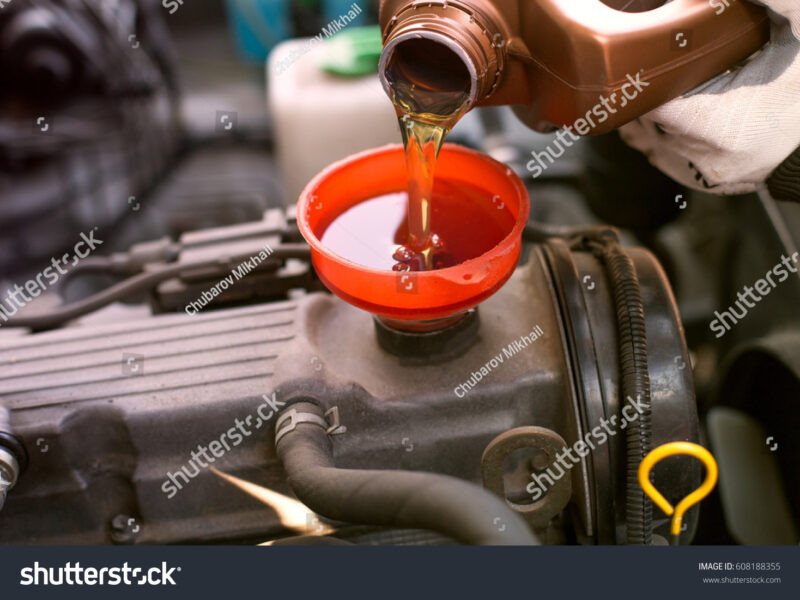
An oil filter is an essential element of an internal combustion engine’s lubrication system. It serves the crucial role of filtering out contaminants from the engine oil, which protects the engine from harmful abrasives. By preventing these particles from circulating, the oil filter significantly reduces engine wear and prolongs the lifespan of the vehicle’s powertrain.
What is an Oil Filter and How Does it Prevent Engine Wear?
At its core, an oil filter is a mechanical device meticulously designed to purify engine lubricant. It captures solid particles and foreign impurities, ensuring that only clean oil flows to vital engine components such as bearings, camshafts, and piston rings. This cleansing process is essential for maintaining proper lubrication and minimizing friction, thus preventing accelerated engine wear.
What are the Core Components of an Engine Oil Filter?
The effectiveness of an engine oil filter hinges on its core components, which work cohesively to achieve optimal oil purification. These include:
- Filter Media: This porous material, crafted from cellulose, synthetic fibers, or a combination of both, is responsible for trapping contaminants.
- Housing: The durable outer shell, whether constructed from metal or plastic, encases the filter media and internal components, providing structural integrity.
- Anti-Drain Back Valve (ADBV): This rubber or silicone valve prevents oil from draining back into the pan, ensuring that the engine receives immediate lubrication during startup.
- Bypass Valve (Pressure Relief Valve): A spring-loaded valve that opens when pressure differentials reach critical levels, allowing unfiltered oil to circulate if the primary filter becomes clogged, thus preventing oil starvation.
- Sealing Gasket: A rubber ring that forms a tight seal between the filter and the engine block, thereby preventing oil leaks.
How Does Filtration Media Impact Engine Wear Prevention?
The filtration media plays a pivotal role in an oil filter’s ability to mitigate engine wear. Its efficiency is determined by the micron rating, which indicates the smallest particle size it can effectively trap. A lower micron rating denotes finer filtration and superior protection against abrasive wear. For instance, synthetic media typically captures particles down to 5-10 microns, far outperforming cellulose media, which generally filters particles in the range of 20-40 microns.
What are the Different Types of Oil Filters Available?
Oil filters come in various types, each engineered for specific applications and performance needs. The primary categories include:
- Spin-On Filters: Self-contained units with a metal casing and internal filter media, commonly found in many modern and older vehicle models due to their ease of replacement.
- Cartridge Filters: Comprised solely of the filter media element without an outer casing, these filters fit into a permanent housing in the engine block, reducing waste during replacements.
- Bypass Filters: These systems filter a small portion of oil flow with high efficiency (often below 1 micron), complementing a standard full-flow filter to eliminate ultra-fine contaminants.
Choosing the right type of filter and media is crucial for maintaining the engine’s health. Think of it as similar to selecting the right diagnostic tools for vehicle maintenance. Just as utilizing Pro Diagnostics at Home helps ensure thorough vehicle care, choosing the correct filter supports engine longevity.
Below is a comparative table detailing common oil filter media types and their attributes:
| Filtration Media Type | Material Composition | Typical Filtration Efficiency | Oil Flow Rate | Common Micron Rating | Cost Implications |
|---|---|---|---|---|---|
| Cellulose | Paper-based fibers | Good (60-80%) | High | 20-40 microns | Lower |
| Synthetic | Micro-glass and/or polymer fibers | Excellent (95%+) | High | 5-10 microns | Higher |
| Blended | Mix of cellulose and synthetic fibers | Very Good (80-95%) | High | 10-25 microns | Moderate |
How Do Contaminants Affect Engine Longevity?
Contaminants pose a significant threat to engine longevity, introducing abrasive particles into finely-tuned internal mechanisms. These impurities—ranging from dirt and metal shavings to sludge and carbon deposits—cause microscopic scoring on precision surfaces. This leads to increased friction, reduced efficiency, and ultimately, component failure. As this wear accumulates, it can result in costly engine repairs or even a complete engine replacement.
What is the Role of the Bypass Valve in Oil Filtration Systems?
The bypass valve, also known as a pressure relief valve, is a vital safety feature within oil filtration systems. It guarantees continuous oil flow to the engine, even when the primary filter becomes clogged. When the pressure differential across the filter exceeds a designated threshold, the bypass valve opens, allowing unfiltered oil to circulate. This mechanism prioritizes oil flow over filtration, averting catastrophic damage from oil starvation, albeit at the cost of allowing some contaminants to flow into the engine. The engineering principles behind these fail-safes parallel advancements in other critical automotive systems. For example, the evolution of braking systems showcases how safety and performance are continually optimized in vehicles.
When Should an Oil Filter be Replaced to Mitigate Engine Wear?
Replacing an oil filter at the right intervals is essential for mitigating engine wear. Most vehicle manufacturers recommend changing the oil filter every 3,000 to 10,000 miles (5,000 to 16,000 kilometers) or every 3 to 12 months, dependent on the type of oil used (conventional versus synthetic) and driving conditions. Regular replacements keep filtration efficiency at its peak, thereby preventing filters from becoming saturated and activating the bypass valve, which allows unfiltered oil to circulate and increases engine wear.
How often should an oil filter be changed?
For optimal engine protection, an oil filter should be changed at every oil change, which typically occurs every 3,000 to 10,000 miles or 3 to 12 months, as specified by the vehicle manufacturer’s maintenance schedule.
What happens if an oil filter is not changed?
Failing to replace the oil filter regularly leads to contamination saturation, drastically reducing filtration efficiency. This can trigger the bypass valve, causing unfiltered oil to circulate within the engine and accelerating wear on critical components.
Are all oil filters the same?
No, not all oil filters are created equal; they differ considerably in size, thread type, filter media material, micron ratings, and bypass valve pressure settings. It’s imperative to use a filter specifically designed for a particular engine model to ensure the best fit and function.