The rattling and rumbling sounds emanating from your vehicle’s exhaust system can signal more than just an annoyance; they often indicate underlying mechanical issues. This comprehensive guide delves into the common causes, detailed diagnostic methods, effective repair strategies, and the market landscape surrounding exhaust system vibrations, aiming to serve as your definitive resource. Understanding and promptly addressing these vibrations is crucial for maintaining performance, safety, and the comfort of vehicle occupants.
The exhaust system is engineered to mitigate harmful emissions, optimize engine performance, and minimize noise. With components ranging from the exhaust manifold to the tailpipe, each plays a critical role in ensuring the overall efficiency of your vehicle. Proper maintenance and timely repairs are essential not just for vehicle performance, but also for compliance with environmental regulations and enhancing the lifespan of engine components.
What Are the Key Components of an Exhaust System?
An exhaust system is a complex network of pipes and chambers designed to safely channel harmful engine byproducts away from the vehicle cabin. Each component plays a vital role in reducing noise, controlling emissions, and optimizing engine performance.
- Exhaust Manifold: Bolted directly to the engine, it collects exhaust gases from each cylinder and directs them to a single pipe. Cracks or leaks here can be serious and often require immediate attention. Exhaust manifolds are typically made from cast iron or stainless steel to withstand high temperatures.
- Downpipe: This connects the exhaust manifold to the catalytic converter.
- Catalytic Converter: A crucial emissions control device, it converts harmful gases (like carbon monoxide and hydrocarbons) into less harmful substances (like carbon dioxide and water vapor). Its internal ceramic substrate, often honeycomb-shaped, can fail, causing rattling sounds.
- Resonator: Works in tandem with the muffler to further reduce exhaust noise, particularly certain frequencies that may cause drone.
- Muffler: The primary noise-reducing component, which contains baffles and chambers that absorb sound waves. Internal damage can lead to an increase in noise levels.
- Exhaust Pipes: These connect various components of the exhaust system. They are susceptible to corrosion and damage, typically made from steel, aluminized steel, or stainless steel for corrosion resistance.
- Oxygen Sensors (O2): Measure the level of oxygen in the exhaust flow, providing feedback to the engine control unit (ECU) for optimal fuel-air mixture and reduced emissions.
- Hangers and Mounts: Rubber or polyurethane components that suspend the exhaust system from the vehicle’s chassis, absorbing vibrations and allowing for thermal expansion and contraction due to heat.
- Flex Pipe: A flexible section designed to absorb vibrations and engine movement, preventing stress on other exhaust components.
What Commonly Causes Rattling and Rumbling in the Exhaust System?
Vibrations within an exhaust system typically stem from components that have become loose, damaged, or no longer effectively isolated from the vehicle’s chassis. These oscillations can manifest as rattling, buzzing, or distinct deep rumbling noises.
Loose or Damaged Components?
Thin metallic heat shields, designed to protect surrounding parts from extreme heat, can develop corroded or broken mounts. This allows the shield to vibrate against the exhaust pipe, creating a metallic rattling sound, often noticeable at certain engine RPMs or during cold starts. Corrosion is a significant factor in the deterioration of these components.
Is Corrosion or Rust the Culprit?
Constant exposure to moisture, road salt, and debris accelerates the degradation of exhaust components. Rust and corrosion can create holes in pipes and mufflers, leading to leaks and the characteristic rattling or rumbling sounds associated with compromised integrity. Road salt, in particular, exacerbates corrosion in regions with harsh winters.
Could Exhaust Leaks Be Causing the Noise?
Leaks, whether from cracks in pipes, deteriorating gaskets at connection points, or damaged manifolds, are a primary source of abnormal exhaust noises. These can range from subtle hissing or popping sounds to louder rumblings. They can also adversely affect engine efficiency and emissions. Leaks in the exhaust manifold can be particularly problematic and costly to repair.
Could a Faulty Catalytic Converter Be the Issue?
A catalytic converter with a broken or worn internal ceramic substrate can produce a distinctive rattling sound, often described as “stones in a can.” This noise is typically more pronounced during acceleration or when the engine is under load. Failed catalytic converters can generate sounds similar to rattling.
What Role Do Hangers and Mounts Play?
Worn, cracked, or detached rubber or polyurethane hangers and mounts are critical failure points. They are designed to absorb engine and exhaust vibrations. When compromised, they fail to isolate the system, allowing vibrations to transmit directly to the chassis, resulting in thumps or rattles. Replacing these mounts is typically a relatively inexpensive repair.
Could the Exhaust System Be Misaligned?
An incorrectly aligned exhaust system can cause components to rub against each other or the vehicle’s underside. This friction generates various noises, from scraping to rattling, and can place undue stress on the system’s connections.
What Are the Key Symptoms of Exhaust System Problems?
Recognizing symptoms is the first step in diagnosing and resolving exhaust system issues. Prompt attention can prevent more severe damage and safety hazards.
- Unusual Loud Noises: This includes deep rumbling, rattling, buzzing, hissing, popping, or sharp squeals. A broken muffler, for instance, can be heard from several meters away.
- Vibrations: Feeling vibrations through the accelerator pedal, steering wheel, or seat can indicate a loss of isolation or excessive movement of the exhaust system.
- Unusual Odors: The smell of exhaust inside the cabin is a serious leak indicator, potentially allowing dangerous carbon monoxide to enter.
- Decreased Fuel Efficiency: Leaks or a clogged catalytic converter can force the engine to work harder, leading to a noticeable drop in miles per gallon (MPG).
- Reduced Engine Power: A restricted exhaust flow (for example, a clogged catalytic converter) or significant leaks can impede the expulsion of exhaust gases, resulting in a loss of power and poor acceleration.
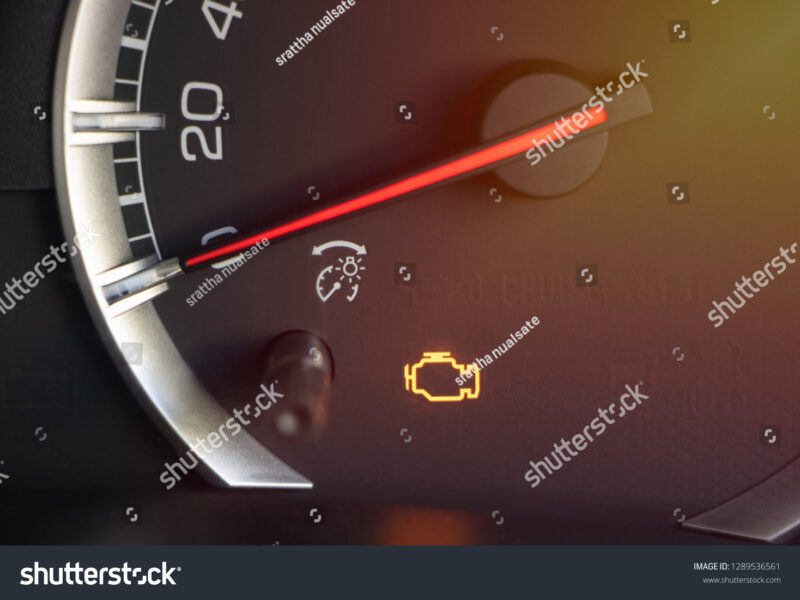
- “Check Engine” Light Illuminated: Modern vehicles have numerous sensors that monitor exhaust system performance. Failures related to O2 sensors, catalytic converters, or leaks often trigger this warning light.
- Visible Damage: Inspecting the underside of your vehicle may reveal obvious signs of rust, cracks, hanging components, or sections that appear bent out of shape.
How Can I Effectively Diagnose Exhaust System Vibrations?
Accurate diagnosis is key to effective repairs, moving from guesswork to pinpointing the exact source of the vibration.
What Are the Specific Sounds and Their Likely Causes?
The nature of the sound provides crucial clues:
- Metallic Rattling: Often points to loose heat shields, exhaust clamps, or internal component baffles. It’s commonly heard during cold starts or at specific RPMs.
- Deep Rumbling or Roaring: Frequently indicates a damaged muffler, significant exhaust leak, or defective flex pipe. This noise often amplifies with acceleration.
- Loud Thumps or Bumps: Suggests broken exhaust mounts or hangers or exhaust pipes contacting the chassis, often heard over bumps or during gear shifts.
- Hissing or Popping Sounds: May indicate exhaust leaks at joints or small cracks in pipes, especially noticeable when the engine is cold.
- “Stones in a Can” Sound: A strong indicator of a failing catalytic converter with broken internal substrate.
What Visual and Physical Checks Should I Perform?
A systematic inspection is essential:
- Visual Inspection: Safely lift and support the vehicle. Examine the entire exhaust system from the manifold to the tailpipe. Look for obvious signs of damage: rust, holes, cracks, loose components, broken mounts, or leaks (indicated by black soot around joints). Ensure all heat shields are securely attached.
- Physical Manipulation: With the engine off and cold, gently push, pull, and shake sections of the exhaust system. Try to replicate the noise with your hand. This may reveal loose mounts, rattling heat shields, or components contacting the underside. Gently tapping the muffler or catalytic converter can sometimes reveal internal rattling.
- Listen While Running (Safely): Start the engine and listen for noise. Have an assistant (safely positioned away from moving parts) gently accelerate the engine to see if the noise changes or becomes more pronounced. Note when the noise occurs (idle, acceleration, deceleration, specific speeds).
Can Advanced Diagnostic Tools Help?
For complex issues, specialized tools can provide precise data:
- Stethoscope or Listening Rod: Used to pinpoint specific noise origins by amplifying sound.
- Vibration Analysis Tools: Professional equipment can measure vibration frequencies and correlate them with engine RPMs or wheel speeds, helping identify resonance frequencies and pinpoint sources. This often involves Fast Fourier Transform (FFT) analysis. A vibration simulation machine to detect noises in the suspension can be useful for diagnosing issues.
- Smoke Tests: For hard-to-find leaks, a smoke machine introduces harmless smoke into the exhaust system. Leaks are then identified by escaping smoke.
- Back Pressure Gauges: Used to check for obstructions, particularly in the catalytic converter or muffler, which can cause rumblings and performance issues.
- Infrared Thermometers: Can help identify irregular temperatures in catalytic converters, indicating internal blockages or failures.
Effective Solutions for Exhaust System Vibrations
Repair strategies range from simple adjustments to full component replacements, depending on the diagnosed issue.
How Are Loose Components and Minor Leaks Repaired?
- Tightening Fasteners: Loose clamps, bolts, or nuts connecting exhaust sections or securing heat shields can often be tightened.
- Securing Heat Shields: If mounts are missing or rusted, specialized exhaust clamps (worm gear clamps) or metal ties can often be used to re-secure loose heat shields.
- Welding and Repair: Small cracks or holes in exhaust pipes, resonators, or mufflers can often be repaired with welding or specialized exhaust repair putty. This is often a cost-effective solution for minor damage.
- Replacing Supports and Hangers: Worn or broken rubber or polyurethane mounts are often inexpensive and can be replaced with basic tools. This is a critical step to prevent further damage and noises.
When Is Component Replacement Necessary?
- Replacing the Muffler: If the muffler is internally damaged (broken baffles), severely rusted, or has significant holes, it will need replacement. This is a common repair. Replacing a muffler can cost between $250 and $700 installed.
- Replacing Pipes, Resonators, or Flex Pipe: Corroded pipes, damaged resonators, or defective flex pipes (designed to absorb engine movement) often require replacement. This may involve replacing a section or the entire assembly. Replacing a flex pipe can cost between $150 and $350.
- Replacing the Catalytic Converter: If the internal catalytic material is damaged, clogged, or crumbling, the catalytic converter must be replaced. This is an expensive repair due to the involved precious metals. Costs vary widely, from $900 to over $2,500. A catalytic converter for a Chevrolet Silverado 2500 can cost between $3,676 and $3,750.
- Replacing the Exhaust Manifold: Cracked or severely warped exhaust manifolds typically require replacement, as welding is often not a viable or durable solution. Replacement can cost between $1,200 and $1,600.
What About More Complex Repairs Like Realignment or Gasket Replacement?
- Aligning the Exhaust System: If pipes are bent or making contact, a mechanic may need to loosen and adjust the system, sometimes using heat and bending tools to restore alignment and adequate spacing.
- Replacing Gaskets: Leaking gaskets, especially on the exhaust manifold or between pipe sections, need replacement. This involves removing connected components, cleaning contact surfaces, and installing new gaskets. Replacing the exhaust manifold gasket can cost between $250 and $600.
- Replacing Engine Mounts: If it’s determined that worn engine mounts contribute to exhaust vibrations, they will need to be replaced to adequately isolate engine movement.
Market Perspectives and Pricing
The automotive exhaust system market is substantial and driven by vehicle production, emissions regulations, and demand in the aftermarket sector.
Global Market Size and Trends
The global automotive exhaust system market was valued at approximately $46.53 billion in 2022 and is projected to reach $82.06 billion by 2030, with a compound annual growth rate (CAGR) of 7.7%. The market is influenced by stringent emissions regulations, driving demand for advanced catalytic converters and noise reduction technologies. The Asia Pacific region holds the largest market share. The automotive vibration control systems market is also significant, valued at approximately $16.83 billion in 2024, with a projected CAGR of 3.6% through 2034.
Key trends include:
- NVH (Noise, Vibration, Harshness) Reduction: A strong focus on reducing NVH across all types of vehicles.
- Emissions Control: Ongoing development of more efficient catalytic converters and particulate filters to meet evolving regulations. The exhaust system market is estimated to reach $52.94 billion by 2025, expected to grow at a CAGR of 4.57% to $66.2 billion by 2030.
- Lightweight Materials: Increased use of advanced alloys and materials to reduce weight and improve fuel efficiency.
- Electrification: While electric vehicles eliminate traditional exhaust systems, hybrid vehicles still utilize them, and there is a growing market for related exhaust components.
Estimated Repair and Replacement Costs (USD, March 2026)
Costs vary significantly by vehicle, location, and part quality (OEM vs. aftermarket).
| Component | Estimated Cost Range (Parts + Labor) | Key Notes |
|---|---|---|
| Diagnosis | $0 – $89 | Often credited toward repair. Advanced diagnostics may cost between $122 and $233. |
| Heat Shield Replacement | $50 – $200 | Relatively inexpensive; often secured with clamps. |
| Hanger/Support Replacement | $150 – $350 | Includes labor for replacing rubber/polyurethane isolators. |
| Repairing Minor Leaks/Welding | $150 – $350 | For smaller cracks or holes. Welding can cost between $75 and $150. |
| Muffler Replacement | $250 – $700 | Aftermarket parts typically $50-$250, labor $70-$90. Costs can range from $500 to $1,000. |
| Resonator/Pipe Section | $400 – $1,200+ | Varies with the complexity and length of replaced pipe. Replacing a pipe section can cost between $200 and $650. |
| Oxygen Sensor (O2) | $140 – $420 each | Upstream sensors are typically more expensive. |
| Exhaust Manifold Replacement | $1,200 – $1,600 | High labor costs due to access to the engine compartment. Parts $990-$1,037, labor $339-$497. |
| Catalytic Converter | $900 – $2,500+ | High cost due to precious metals (Platinum, Palladium, Rhodium). An average range is $2,164 to $2,483. A Silverado 2500 can cost between $3,676 and $3,750. |
| Complete System (Gasoline) | $500 – $1,500 | Excludes manifold and catalytic converter. |
| Complete System (Diesel Truck) | $1,500 – $4,000+ | Includes complex Diesel Particulate Filter (DPF) systems. |
Factors influencing costs:
Labor Rates: Vary significantly by region, typically $80-$150/hour.
Part Quality: OEM parts are generally more expensive than aftermarket options.
Vehicle Type: Luxury or high-performance vehicles often incur higher costs due to specialized parts and labor. Luxury or high-performance vehicles can be 20-30% more expensive.
Corrosion Level: Severe corrosion may complicate repairs, increasing labor time and requiring more parts replacement.
Specific component costs can vary widely: a simple welding repair for a small hole might cost between $75 and $150. Replacing a gasket could cost between $100 and $400. Replacing a flex pipe typically costs between $150 and $350. The cost for a complete exhaust system, excluding the manifold and catalytic converter, can range from $500 to $1,500 for gasoline vehicles. For performance or custom systems, prices may exceed $3,000.
Preventive Maintenance for a Quieter Ride
Regular inspections and prompt attention to minor issues can prevent costly repairs and maintain a quieter, safer vehicle.
- Routine Inspections: Have your exhaust system inspected annually or whenever you notice unusual noises or performance changes.
- Listen for Changes: Unusual sounds like loud rumblings, hissing, or persistent rattling should be investigated promptly.
- Tackle Leaks Promptly: Small exhaust leaks can worsen over time and may lead to decreased fuel efficiency or engine performance issues.
- Clean the Undercarriage: Especially in areas with road salt, washing the chassis can help reduce corrosion.
- Use Quality Fuel: High-quality fuel can help prolong the life of your catalytic converter by minimizing deposits.
By understanding potential causes, employing thorough diagnostic techniques, and following a proactive maintenance schedule, you can effectively manage and resolve exhaust system vibrations, ensuring a more comfortable and reliable driving experience.