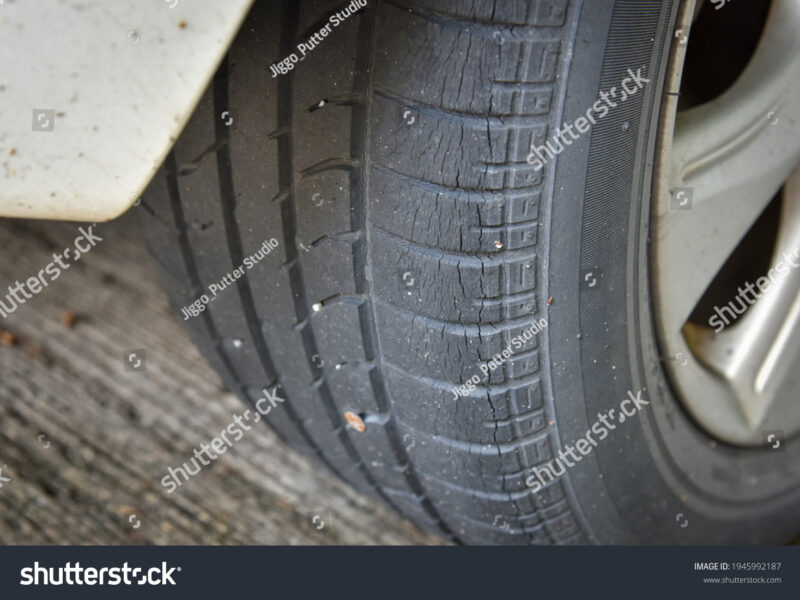
Car tire recycling, often referred to as rubber recycling, plays a pivotal role in reviving waste tires that have lost their usefulness for vehicles. Each year, millions of end-of-life tires (ELT) are diverted from landfills, preserving precious resources and significantly curbing the environmental pollution caused by improper tire disposal. Embracing tire recycling as part of the automotive lifecycle not only minimizes waste but also fosters a circular economy, where materials are continuously reused.
What Environmental Impacts Do Unrecycled Tires Cause?
Unrecycled tires present significant threats to both the environment and public health. Due to their durability and specific chemical makeup, discarded tires take up valuable landfill space and remain in the ecosystem for decades without decomposing. Piles of waste tires can accumulate stagnant water, becoming breeding grounds for disease vectors like mosquitoes, which transmit illnesses such as West Nile Virus.
Moreover, stockpiled tires are highly flammable, posing a severe fire hazard. When ignited, they can burn for months while releasing toxic pollutants into the air, water, and soil. Tire fires emit harmful substances, including carbon monoxide and dioxins, which contribute to air pollution and respiratory health risks. Additionally, these tires leach heavy metals like lead into the soil, contaminating groundwater and threatening local ecosystems.
What Materials are Recovered During the Tire Recycling Process?
The tire recycling process employs advanced technologies to systematically dismantle end-of-life tires, recovering valuable materials for reuse. Tires are typically separated into three main components: rubber, steel, and fiber. These materials are processed into various forms suitable for new applications, making tire recycling remarkably efficient.
Mechanical recycling methods involve shredding tires at ambient temperatures, resulting in rubber granules or crumb rubber. An innovative technique called cryogenic grinding uses liquid nitrogen to freeze tires, also yielding crumb rubber. Additionally, the steel that comprises 10% to 20% of a passenger car tire’s weight is extracted magnetically, while textile fibers, commonly nylon, are also separated during this process.
What are the Primary Applications for Recycled Tire Materials?
Recycled tire materials boast diverse applications across various industries, showcasing their remarkable versatility and value. Utilizing these materials helps diminish the demand for virgin resources and promotes sustainable practices. One exciting application involves integrating recycled rubber into eco-friendly and low-copper brake pads, contributing to greener automotive components.
The main forms of recycled rubber—crumb rubber, rubber powder, and tire-derived aggregate (TDA)—are put to good use in an array of products:
- Crumb Rubber: This granulated rubber is commonly used for playground surfaces and athletic tracks, offering cushioning and impact absorption. It is also incorporated into rubberized asphalt for road construction, boosting durability and sound reduction. Furthermore, crumb rubber is utilized in molded products such as floor mats, speed bumps, and landscaping mulch.
- Tire-Derived Aggregate (TDA): These shredded tires serve multiple civil engineering purposes, acting as sub-grade fill, backfill for retaining walls, and insulation for roads. TDA provides a lightweight and drainage-efficient alternative to traditional fill materials.
- Tire-Derived Fuel (TDF): Processed shredded tires can serve as TDF, an alternative energy source for industrial boilers, cement kilns, and power plants. TDF offers greater energy efficiency compared to coal.
- Recovered Steel and Fiber: Extracted steel can be melted down and repurposed for new steel products. Recovered fiber, in turn, can find applications in insulation materials or energy recovery.
| Recycled Tire Material | Description | Common Applications | Environmental Benefit |
|---|---|---|---|
| Crumb Rubber | Granulated rubber derived from shredded tires. | Used for playground surfaces, rubberized asphalt, sports fields, and various molded products (e.g., mats, speed bumps). | Reduces landfill waste, conserves virgin rubber, and minimizes noise pollution on roads. |
| Tire-Derived Aggregate (TDA) | Shredded tire pieces (3-6 inches in size). | Utilized in civil engineering projects (retaining wall backfill, road sub bases, landfill liners, erosion control). | Lightweight, excellent drainage properties, and a cost-effective alternative to traditional fill materials. |
| Tire-Derived Fuel (TDF) | Shredded tire chips processed for fuel use. | Fuel for industrial boilers, cement kilns, pulp and paper mills, and power plants. | Provides an alternative to fossil fuels, featuring high energy content and supporting waste-to-energy initiatives. |
| Recovered Steel | Steel wires and beads extracted from tires. | Recycled into new steel and cast iron products. | Reduces the demand for virgin iron ore and encourages energy savings in steel manufacturing. |
| Recovered Fiber | Textile elements (e.g., nylon) from tires. | Used for insulation materials and minor energy recovery purposes. | Minimizes landfill diversion and promotes resource efficiency. |
How Does Tire Recycling Contribute to a Circular Economy?
Tire recycling represents a crucial aspect of the circular economy, a model dedicated to minimizing waste and maximizing resource efficiency. Unlike a linear economy—where products are produced, used, and discarded—the circular economy emphasizes the design, production, and recycling of materials to extend their lifecycle. This approach aligns seamlessly with broader objectives for sustainable automotive performance, transcending mere tire management.
Transforming end-of-life tires into valuable secondary raw materials not only lessens the reliance on virgin resources, such as natural and synthetic rubber, but also mitigates the environmental impact of resource extraction and manufacturing. Notably, producing recycled rubber requires approximately 80% less energy than manufacturing virgin rubber, significantly shrinking the carbon footprint by 4 to 20 times compared to traditional plastic resins.
What are the Economic and Regulatory Drivers for Tire Recycling Initiatives?
The momentum behind tire recycling is fueled by economic incentives and regulatory frameworks. Tire recycling generates new industries and employment opportunities in areas like collection, processing, and sustainable product manufacturing. Moreover, it often proves to be a cost-saving alternative compared to traditional disposal methods, which incur fees and environmental remediation costs. Revenue streams from the sale of recovered materials further bolster recycling operations, while businesses incorporating recycled content can often access sustainability incentives.
Regulatory measures, particularly Extended Producer Responsibility (EPR) systems, are vital in promoting higher tire recycling rates. EPR transfers the financial and operational responsibility for a product’s end-of-life from municipalities to manufacturers, encouraging the design of more environmentally friendly products and fostering robust recycling infrastructure. For instance, the European Union significantly boosted its tire recycling rate from 25% in 1994 to nearly 95% in 2010 thanks to effective waste management policies, including EPR. In the United States, states like Connecticut are set to implement tire EPR laws by March 2026, aiming to reduce illegal dumping and alleviate disposal costs for residents and municipalities. Such regulatory advancements ensure a fairer distribution of waste management responsibilities and enhance engine performance and overall vehicle sustainability through responsible life cycle practices.
FAQs:
What is the average lifespan of a car tire before it needs recycling?
The functional life of a car tire typically spans 3 to 6 years, depending on usage, maintenance, and environmental conditions, before it reaches a stage where disposal or recycling is necessary. Regular maintenance, such as tire pressure checks and rotations, can help prolong the lifespan of tires.
Can all types of tires be recycled?
Yes, most types of end-of-life tires are recyclable, including passenger car, light truck, SUV, and commercial truck tires. Specialized recycling methods effectively process various tire sizes and compositions to recover their materials efficiently.
How can individuals ensure their used tires are properly recycled?
Individuals can safeguard proper tire recycling by taking used tires to authorized tire retailers, automotive service centers, or designated tire recycling facilities. Many jurisdictions also conduct special collection events, and a “scrap tire fee” is frequently collected at the time of a new tire purchase to support recycling programs.