A clogged catalytic converter can severely compromise your vehicle’s performance and efficiency, requiring immediate attention to prevent further engine damage. This critical component of your exhaust system is designed to convert harmful pollutants into less toxic gases before they exit your tailpipe.
When the catalytic converter becomes obstructed, typically by carbon buildup or melted internal materials, it restricts exhaust flow, leading to a cascade of noticeable symptoms. Recognizing these signs early is crucial for maintaining optimal vehicle health and avoiding costly repairs.
What Are the Key Indicators of a Restricted Catalytic Converter?
Identifying a choked catalytic converter often begins with a noticeable degradation in your vehicle’s overall performance. This isn’t merely a subtle change but a significant impact on how your car drives, particularly under acceleration. The engine struggles to expel exhaust gases efficiently, leading to a feeling of being “choked” or held back.
For instance, a vehicle that normally accelerates smoothly, such as a 2020 Toyota Camry, may suddenly feel sluggish or hesitant when you press the accelerator pedal. This lack of responsiveness is a direct result of backpressure building up in the exhaust system, preventing fresh air and fuel from entering the engine cylinders effectively. This can also manifest as your car struggling to maintain speed on inclines, requiring more throttle input than usual.
This diminished performance is not only frustrating but also indicative of an underlying issue that stresses other engine components. Prolonged driving with a clogged converter can lead to overheating and even internal engine damage due to the excessive heat and pressure trapped within the exhaust system. Addressing reduced acceleration promptly can prevent more severe mechanical failures.
Does a Clogged Catalytic Converter Trigger the Check Engine Light?
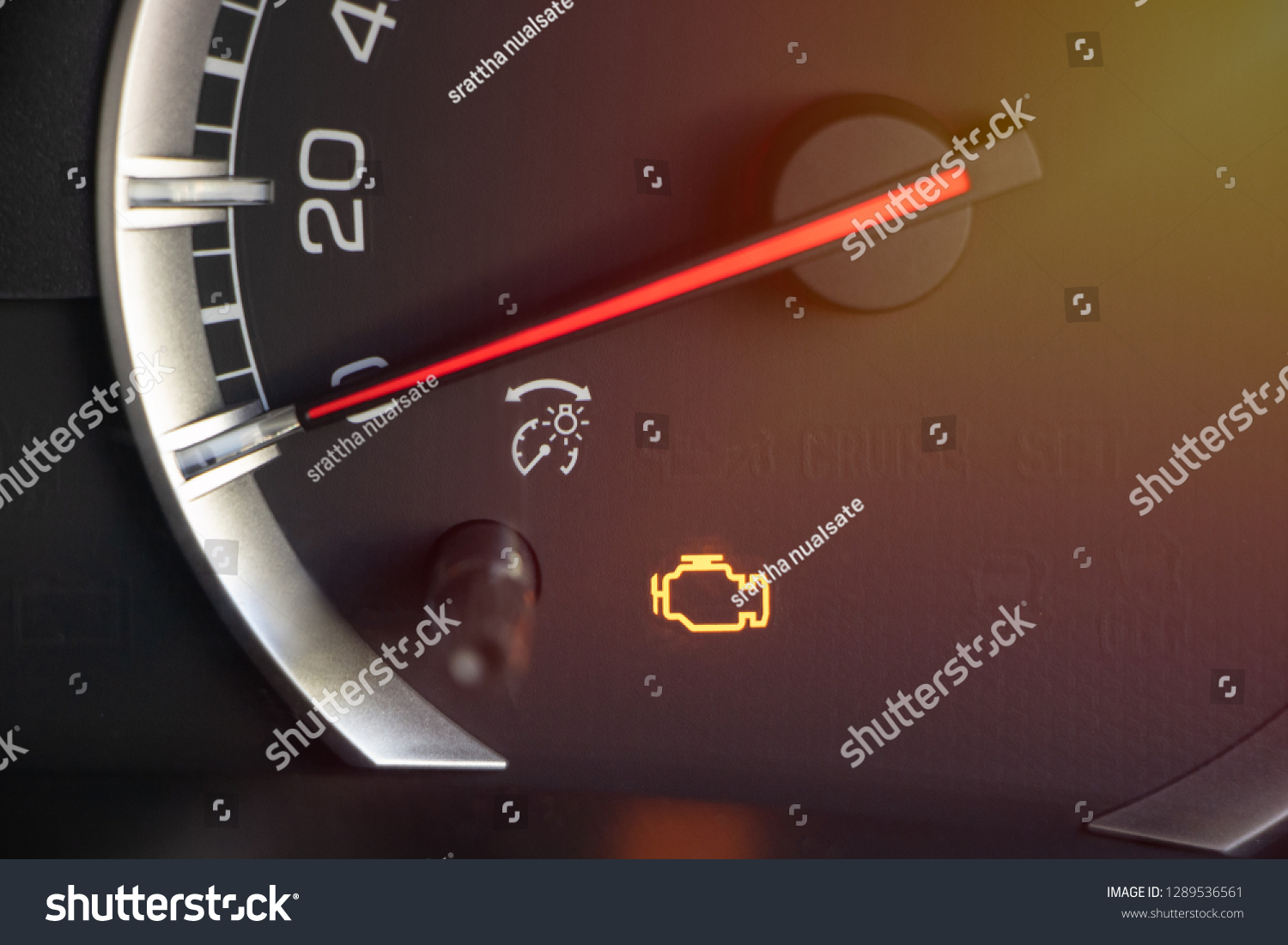
Yes, the illumination of your Check Engine Light (CEL) is a very common symptom of a clogged catalytic converter. Modern vehicles are equipped with sophisticated emission control systems that monitor the efficiency of the catalytic converter through oxygen sensors strategically placed before and after the converter.
When the rear oxygen sensor detects exhaust gas readings that are too similar to those from the front oxygen sensor, it indicates that the catalytic converter is not efficiently converting pollutants. This discrepancy in readings triggers a specific diagnostic trouble code (DTC) in the vehicle’s onboard diagnostic (OBD-II) system, which then activates the Check Engine Light on your dashboard. This is a crucial early warning system designed to alert you to an emissions-related problem, which a clogged converter certainly is.
While a lit CEL can point to numerous issues, including a failing oxygen sensor itself, persistent illumination accompanied by other symptoms like reduced power and poor fuel economy strongly suggests a catalytic converter issue. Ignoring this warning can lead to increased emissions, failing emissions tests, and eventually, more severe drivability problems as the obstruction worsens.
Why Does Your Car Smell Like Rotten Eggs with a Clogged Converter?
A distinct smell of sulfur or rotten eggs emanating from your exhaust is a classic and unmistakable sign of a failing or clogged catalytic converter. This pungent odor is a direct result of the converter’s inability to properly process hydrogen sulfide, a byproduct of the combustion process.
Normally, the catalytic converter contains precious metals like platinum, palladium, and rhodium that catalyze chemical reactions to convert hydrogen sulfide into odorless sulfur dioxide. When the converter becomes clogged or overheated, these chemical reactions are disrupted, allowing the hydrogen sulfide gas to pass through untreated and exit the tailpipe.
This unpleasant smell indicates that raw, untreated exhaust gases are being released into the atmosphere, bypassing the intended emissions control. It’s not just an annoyance but a clear indication that your vehicle’s emissions system is failing, contributing to air pollution and potentially exposing you to harmful fumes, especially in enclosed spaces or during prolonged idling.
How Does a Choked Catalytic Converter Impact Fuel Efficiency?
A clogged catalytic converter can significantly diminish your vehicle’s fuel economy, leading to higher operational costs and more frequent trips to the gas station. When the exhaust flow is restricted, the engine has to work much harder to push spent gases out of the system, consuming more fuel in the process.
This increased effort translates directly into a reduction in miles per gallon (MPG). For instance, while a faulty oxygen sensor might cause a fuel economy decrease, a severely clogged catalytic converter can cause a similar, if not greater, drop in efficiency, sometimes by as much as 10-20% depending on the severity of the obstruction. The engine’s computer attempts to compensate for the lack of exhaust flow, often by enriching the fuel mixture, which further exacerbates fuel consumption.
Beyond the direct impact on fuel consumption, the increased strain on the engine due to backpressure can also lead to premature wear and tear on other components. Monitoring your fuel efficiency and noting any sudden or sustained drop, especially when coupled with other symptoms, is a practical way to detect a potential catalytic converter problem early on.
Can a Clogged Catalytic Converter Cause Engine Misfires or Rough Idling?
Absolutely, a severely clogged catalytic converter can indeed lead to engine misfires and noticeably rough idling. The restricted exhaust flow creates excessive backpressure within the exhaust system and ultimately back into the engine cylinders. This backpressure interferes with the engine’s ability to efficiently expel exhaust gases after combustion and draw in a fresh air-fuel mixture for the next cycle.
When the exhaust gases cannot escape quickly enough, they can remain in the combustion chamber, diluting the incoming fresh charge and leading to incomplete combustion or outright misfires. These engine misfires manifest as a distinct shuddering or hesitation, and during idle, this can be felt as a “rough idle.” If the vibration during idle exceeds 15 Hz, then an engine cylinder misfire symptom is clearly identified, often directly attributable to the backpressure from a failing catalytic converter or a failing exhaust pipe or muffler.
This sustained condition not only diminishes driving comfort but also puts significant stress on the engine’s internal components. The repeated misfires and rough running can lead to premature wear of engine mounts, spark plugs, and ignition coils. Addressing the root cause, which in this case is the clogged catalytic converter, is essential to restore smooth engine operation and prevent further damage. Regularly inspecting your exhaust system for potential issues, such as a loose heat shield or a faulty muffler, is key to early detection.
Catalytic Converter Symptoms Comparison Table
Understanding the nuances between a healthy and a clogged catalytic converter can aid in accurate diagnosis. Below is a comparative table highlighting key differences in performance and indicators.
| Symptom | Healthy Catalytic Converter | Clogged Catalytic Converter |
|---|---|---|
| Engine Performance | Smooth acceleration, responsive throttle | Sluggish acceleration, reduced power, struggles uphill |
| Check Engine Light (CEL) | Off (unless other issues present) | Often illuminated with P0420/P0430 codes |
| Exhaust Odor | Minimal or no noticeable odor | Strong sulfur or “rotten egg” smell |
| Fuel Economy | Optimal, within manufacturer specifications | Noticeable decrease (e.g., 10-20% drop) |
| Engine Idling | Smooth and consistent | Rough idle, vibrations exceeding 15 Hz, potential misfires |
| Exhaust Temperature | Normal operating range (e.g., 500-800°C) | Excessive heat from restricted flow, potential glowing converter |
FAQs About Clogged Catalytic Converters
How can I diagnose a clogged catalytic converter myself?
While professional diagnostic tools provide the most accurate assessment, you can perform a few basic checks at home. One common method is to use a vacuum gauge to test engine backpressure. Connect the gauge to a vacuum port on the engine (often found on the intake manifold) and note the reading at idle. Then, rev the engine to 2,500-3,000 RPM and observe if the vacuum drops significantly or if the pressure builds excessively. A normal engine should maintain steady vacuum, but a clogged converter will cause the vacuum to drop or backpressure to rise, indicating an obstruction in the exhaust flow. Additionally, you can carefully check the temperature of the converter using an infrared thermometer; a healthy converter will be significantly hotter at the outlet than the inlet (indicating exothermic conversion), while a clogged one might have similar or even cooler outlet temperatures, or show extreme overheating.
What causes a catalytic converter to become clogged, and how can I prevent it?
Catalytic converters typically become clogged due to unburned fuel or engine oil entering the exhaust system, which then burns and deposits carbon or other residues on the converter’s internal honeycomb structure. Common culprits include persistent engine misfires, a rich fuel mixture (often caused by a faulty oxygen sensor or leaky fuel injectors), burning excessive amounts of engine oil due to worn piston rings or valve seals, and even contaminated fuel. To prevent clogging, ensure your vehicle receives regular maintenance, including timely oil changes, spark plug replacements, and addressing any engine misfire symptoms or oxygen sensor issues promptly. Using high-quality fuel and avoiding excessive short trips where the engine doesn’t reach optimal operating temperature can also help maintain the converter’s health and longevity.