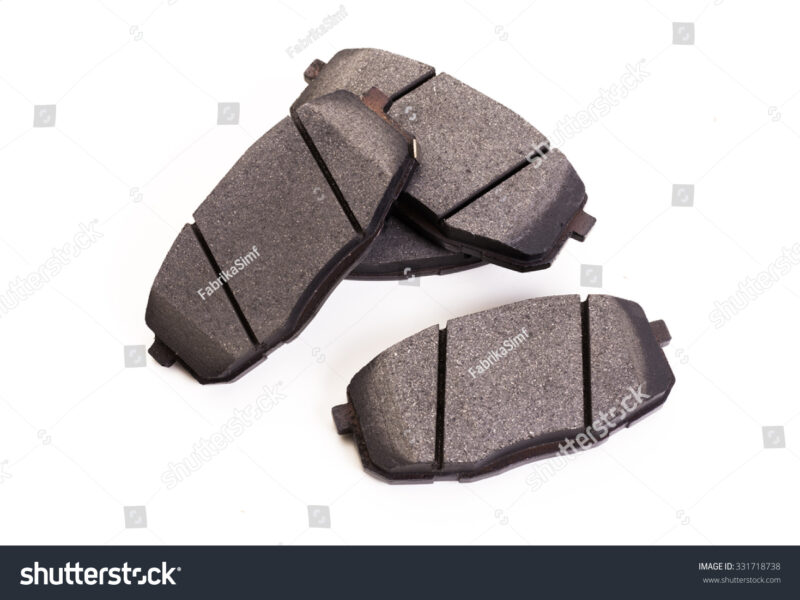
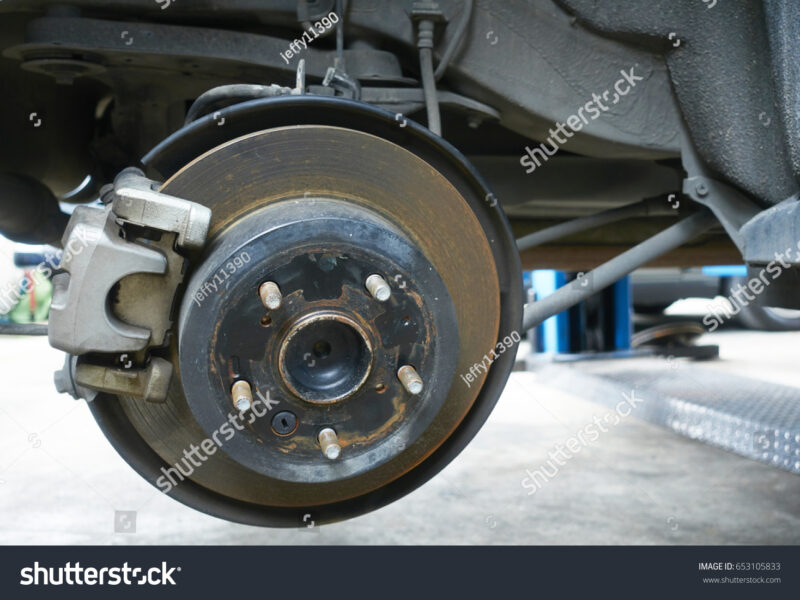
Brake pads are a critical component of your vehicle’s safety system, directly influencing its ability to decelerate and stop effectively. Understanding their precise lifespan is not merely a matter of maintenance; it is foundational for preserving optimal vehicle performance, ensuring driver and passenger safety, and preventing premature, costly damage to other braking components. Typically, brake pads last anywhere from 30,000 to 70,000 miles, although this extensive range can fluctuate significantly based on a multitude of factors, including the specific type of vehicle, your predominant driving habits, and the material composition of the pads themselves. For instance, a luxury sedan like a Mercedes-Benz C-Class might see ceramic pads last towards the upper end of this spectrum under ideal conditions, while a heavy-duty truck such as a Ford F-250, especially when towing, would experience significantly reduced pad life, potentially closer to the 25,000-mile mark.
Ignoring the clear signs of wear, which can manifest as distinct noises or changes in pedal feel, can lead to more than just expensive repair bills; it can result in serious safety hazards on the road. A compromised braking system severely impairs your vehicle’s stopping capability, increasing the risk of collisions. Regular inspection and timely replacement, ideally when pad material reaches a critical thickness of 3-4 millimeters, are paramount to ensuring your braking system functions reliably and predictably when you need it most, preventing issues like warped rotors or caliper damage that can escalate costs significantly.
What is the Average Lifespan of Brake Pads in Miles?
The average lifespan of brake pads generally falls between 30,000 and 70,000 miles, but this is a broad estimate that requires careful contextualization. The exact duration is profoundly influenced by your vehicle’s make and model, as well as the specific conditions under which you drive. For instance, a heavy SUV, such as a Chevrolet Suburban or a Cadillac Escalade, driven primarily in dense, stop-and-go urban traffic, will likely wear through brake pads much faster, potentially in the range of 25,000 to 40,000 miles, than a lightweight compact car like a Toyota Corolla used mainly for consistent highway cruising, which could extend pad life to 60,000 to 75,000 miles.
It is crucial to recognize that this mileage range represents an average across a wide spectrum of vehicles and driving scenarios. Some drivers, particularly those with aggressive driving habits or who frequently navigate steep inclines and declines, may find their pads lasting closer to 20,000 to 25,000 miles. Conversely, others might push past 75,000 miles, or even 80,000 miles, with meticulously careful driving, consistent highway use, and the installation of premium, long-lasting ceramic brake pads. This inherent variability underscores the critical importance of regular mechanical inspections rather than solely relying on generalized mileage markers, which can be misleading without considering individual driving factors.
Ensuring your vehicle’s braking system operates efficiently is paramount for road safety. Brake pads are meticulously designed to wear down over time as they generate the necessary friction to decelerate and stop your vehicle. Failing to proactively address severely worn pads can not only critically compromise your ability to stop effectively in an emergency but can also lead to significant damage to other integral braking components. For example, once the friction material is depleted, the metal backing plate of the pad can grind directly against the brake rotor, causing deep scoring, overheating, and warping. This metal-on-metal contact necessitates not just new pads but also costly rotor replacement or resurfacing, potentially increasing total repair costs from a typical $150-$300 per axle to $300-$800 per axle, according to a 2026 price guide.
How Do Driving Habits Significantly Affect Brake Pad Longevity?
Your personal driving style is unequivocally one of the most significant determinants of how long your brake pads will endure. Aggressive driving, meticulously characterized by frequent hard braking from high speeds and rapid acceleration followed by abrupt deceleration, places immense and excessive stress on the entire braking system, leading to dramatically accelerated wear. This demanding usage generates substantially more heat and friction, causing the pad material to abrade much faster than under moderate conditions. This contrasts sharply with a more measured, defensive, and anticipatory driving approach, which involves gentle, gradual braking and maintaining safe following distances, thereby significantly extending the operational life of brake pads by minimizing extreme heat cycles and abrasive forces.
City driving, with its incessant need for stopping and starting at numerous intersections, navigating heavy traffic congestion, and responding to unpredictable urban dynamics, forces brake pads to work considerably harder and more frequently than during highway cruising. In dense urban environments, brake pads may only last around 25,000 to 35,000 miles due to the sheer volume of braking events and the associated heat generation. Conversely, consistent highway driving, where braking events are typically less frequent, occur at lower deceleration rates, and are generally much gentler, can see pads last upwards of 60,000 to 70,000 miles, or even more, before requiring replacement. This stark contrast highlights how environmental factors and driving patterns directly correlate with pad lifespan.
Additional demanding factors, such as regularly towing heavy loads (e.g., trailers, boats, or RVs) or frequently driving on mountainous terrain with long, steep descents, also drastically reduce brake pad lifespan. The increased vehicle weight or continuous downhill braking generates substantially more heat and friction, causing the pad material to degrade at an accelerated rate. For instance, a vehicle regularly hauling a trailer weighing 3,500 pounds can experience a decrease in pad longevity by 20-30% compared to unladen driving under similar conditions, due to the increased kinetic energy that must be dissipated by the braking system. Even the type of transmission can play a subtle but notable role; manual transmission vehicles often allow for effective engine braking, which can reduce the reliance on friction brakes, whereas automatic transmissions typically place more continuous and exclusive strain on the brake pads for deceleration, thereby potentially shortening their lifespan.
What Are the Different Types of Brake Pads and Their Specific Lifespans?
The material composition of brake pads plays an absolutely crucial role in defining their performance characteristics, including their overall durability, operational noise levels, and the amount of dust they produce. The three primary types of brake pads available in the aftermarket and OEM markets are organic, semi-metallic, and ceramic, each offering distinct advantages and average lifespans tailored to different driving needs and vehicle types. Understanding these differences is key to making an informed decision about replacement pads, impacting both performance and cost-effectiveness over time.
Organic brake pads, often categorized as Non-Asbestos Organic (NAO) pads, are typically manufactured from a composite blend of natural materials such as rubber, glass, carbon, and Kevlar fibers, bonded together with resins. They are generally recognized as the quietest option and produce minimal brake dust, making them popular for daily drivers prioritizing comfort. They offer a good initial “bite” and perform well in everyday commuting, but they tend to wear out faster, exhibiting an average lifespan of 30,000 to 40,000 miles. Furthermore, organic pads are less tolerant of extreme heat, making them less suitable for high-performance vehicles, heavy-duty applications, or aggressive driving where high temperatures are frequently generated.
Semi-metallic brake pads, distinguished by their composition of 30-65% metal by weight (including copper, iron, steel, and other alloys) along with synthetic fillers and graphite, offer an excellent balance of braking performance, durability, and cost. They are a popular choice for a vast array of vehicles due to their robust stopping power and good heat dissipation characteristics, typically lasting between 40,000 and 55,000 miles. However, a trade-off for their enhanced performance is that they can be noisier than organic or ceramic options and often produce more noticeable brake dust due to their metallic content, which some drivers find aesthetically undesirable.
Ceramic brake pads, meticulously engineered from a sophisticated blend of ceramic fibers, non-ferrous materials, and specialized fillers, are renowned for their superior overall performance, exceptionally quiet operation, and minimal brake dust production. They represent a premium option, being more expensive upfront, but offering outstanding longevity, frequently lasting 60,000 to 70,000 miles, and in some well-maintained vehicles, even surpassing 80,000 miles. Their remarkable ability to dissipate heat efficiently makes them a top choice for quiet and dust-free braking performance, providing consistent friction across a broad temperature range, as detailed in our comprehensive guide on the Best Ceramic Brake Pads: Top Choices for Quiet and Dust-Free Braking. This makes them ideal for drivers seeking peak performance and cleanliness without compromise.
Brake Pad Type Comparison: Lifespan, Performance, and Cost Considerations
| Brake Pad Type | Average Lifespan (Miles) | Key Characteristics | Typical Cost (Pads Only, Per Axle) |
|---|---|---|---|
| Organic (Non-Asbestos Organic – NAO) | 30,000 – 40,000 | Quiet operation, low dust, good initial bite, lower heat tolerance. Best for daily commuting. | $30 – $60 |
| Semi-Metallic | 40,000 – 55,000 | Robust stopping power, durable, can be noisy, moderate dust, good heat dissipation. Versatile. | $40 – $80 |
| Ceramic | 60,000 – 70,000+ | Excellent stopping power, very quiet, very low dust, superior heat dissipation, premium cost. Optimal performance. | $60 – $120 |
| Performance/Track (Specialized) | 10,000 – 20,000 (Track) | Aggressive friction, extremely high heat tolerance, very noisy, high dust. Not for street use. | $100 – $300+ |
What Are the Key Warning Signs of Worn Brake Pads That Require Immediate Attention?
Recognizing the top signs your brake pads need replacement is absolutely essential for ensuring both safe driving and the long-term integrity of your vehicle’s braking system. Brake pads typically exhibit several specific and identifiable behaviors as they wear down, each serving as a critical indicator requiring prompt assessment or replacement. Understanding these signs can proactively prevent far more costly repair bills, safeguard your vehicle’s essential components, and significantly enhance overall driving performance and safety. Ignoring these early warnings can escalate a relatively minor pad replacement into a much more extensive and expensive repair involving rotors and calipers.
The most common and frequently the first audible signal of wear is a distinctive high-pitched squeaking or squealing noise that consistently occurs upon application of the brakes. This piercing sound typically arises from brake wear indicators, which are small, thin metal tabs meticulously designed and integrated into the brake pad structure to alert drivers of pad deterioration when the friction material has diminished to a critical thickness, usually around 2-3 millimeters. If you hear this sound regularly during braking, it is a clear and unambiguous indication that your pads are reaching their operational limit and demand immediate professional inspection to prevent further damage. For a comprehensive overview of these indicators, refer to our detailed article: 7 Warning Signs You Need New Brake Pads: Don’t Ignore These!
As brake pads wear further beyond the warning indicator stage, the initial squeal can progressively transform into a much more alarming and guttural grinding noise. This grinding typically signifies direct metal-on-metal contact between the brake caliper (or the pad’s metal backing plate) and the brake rotor, unequivocally indicating that the primary friction material of the pad is completely gone. This severe level of wear is extremely dangerous, as it drastically reduces braking efficiency and can cause extensive, irreparable damage to the brake rotors, necessitating their complete replacement rather than just resurfacing. Other critical warning signs include a noticeable vibration or pulsation felt distinctly through the brake pedal during braking, which often points to warped or unevenly worn rotors, frequently caused by excessive heat generated from severely worn pads. Additionally, a spongy or soft brake pedal, requiring significantly more pressure or travel to effectively stop the vehicle, is also a serious red flag, potentially indicating issues with the hydraulic system or critically thin pads. For more in-depth information on identifying these crucial symptoms, consult our article on Top Signs Your Brake Pads Need Replacement.
What Is the Average Cost to Replace Brake Pads in 2026?
The cost to replace brake pads can vary widely, typically ranging from $150 to $300 per axle for parts and labor, but this can escalate significantly higher depending on several critical factors. These factors include the specific make, model, and year of your vehicle, the chosen type of brake pads (e.g., organic, semi-metallic, ceramic), and the prevailing labor rates of the auto repair shop in your geographic area. For instance, a basic brake pad replacement on a compact sedan like a Honda Civic might be at the lower end of this range, whereas a high-performance vehicle like a BMW M3 or a heavy-duty pickup might incur higher costs due to specialized parts and more complex installation procedures.
For standard passenger vehicles, replacing just the brake pads on one axle (either front or rear) with quality organic or semi-metallic pads might cost between $150 and $250. However, if you opt for premium ceramic brake pads, which offer enhanced performance, superior longevity, and reduced dust, the cost can easily rise to $200-$350 per axle due to the higher material cost of ceramic compounds and their advanced manufacturing processes. It is also important to note that front brake pads generally wear out faster than rear pads due to the weight transfer during braking and their role in providing approximately 70% of the vehicle’s stopping power, meaning front axle replacements are often more frequent.
It’s critically important to understand that if your brake pads are severely worn, there is a high likelihood that your brake rotors may also be damaged and require replacement or resurfacing. If rotors are warped, deeply scored, or fall below their minimum specified thickness (typically measured in millimeters), the total repair cost can increase substantially, often ranging from $300 to $800 per axle for both pads and rotors, as new rotors add significantly to both parts and labor expenses. Always ensure a comprehensive inspection is performed by a qualified technician to understand the full scope of necessary repairs, preventing potential safety hazards and future complications. For a detailed breakdown of these costs, refer to our comprehensive guide on How Much Does it Cost to Replace Brake Pads and Rotors? (2026 Price Guide).
Frequently Asked Questions About Brake Pad Lifespan
How often should I have my brake pads inspected by a professional?
It is generally recommended to have your brake pads thoroughly inspected during every routine oil change service, which typically occurs every 5,000 to 7,500 miles for most modern vehicles, or at least once a year. This proactive and consistent approach allows certified automotive technicians to accurately monitor the wear level of the friction material, measure its thickness (e.g., in millimeters, with 3-4mm often being the replacement threshold), and identify any potential issues before they escalate into critical safety concerns or costly component failures. For instance, a technician will visually inspect the pads for cracks, uneven wear, or contamination, and check the rotors for signs of warping or scoring.
Drivers who engage in more aggressive driving habits, such as frequent hard braking, or those who primarily commute in dense urban traffic characterized by constant stopping and starting, may benefit significantly from more frequent checks, perhaps every 6,000 to 8,000 miles. Similarly, vehicles that regularly tow heavy loads or frequently traverse mountainous regions with steep descents will place greater demands on the braking system, necessitating more vigilant inspection schedules to ensure optimal safety and performance. Regular inspections help maintain the braking system’s integrity and can significantly extend the lifespan of not only the pads but also the rotors and calipers.
Can I safely replace brake pads myself, or should I always hire a professional?
While replacing brake pads can indeed be a do-it-yourself (DIY) project for individuals possessing a strong mechanical aptitude, the correct tools, and a comprehensive understanding of automotive braking systems, it is critically important to acknowledge the inherent risks involved. The braking system is an absolutely vital safety component of your vehicle; incorrect installation or improper torquing of bolts can lead to catastrophic brake failure, severe accidents, and substantial further damage to your vehicle’s other components, such as damaging the caliper or unevenly wearing the new pads. Tools required typically include a jack, jack stands, a lug wrench, a C-clamp or caliper compression tool, and a torque wrench.
Given the immense safety implications, if you are not entirely confident in your mechanical abilities, lack the specialized tools, or are unfamiliar with the precise torque specifications for your vehicle’s brake components, it is unequivocally best to entrust this crucial task to a certified and experienced mechanic. Professional technicians possess the expertise, specialized tools, and access to vehicle-specific technical data to ensure proper installation, precise lubrication of contact points, and thorough bleeding of the brake lines if necessary, guaranteeing optimal function and peace of mind. A reputable shop will also offer a warranty on parts and labor, providing an additional layer of assurance.
What exactly is a brake wear indicator and how does it function?
A brake wear indicator is a brilliantly simple yet highly effective safety mechanism designed to alert drivers when their brake pads have worn down to a critical level, signaling the need for replacement. In most conventional systems, this indicator is a small, thin, spring-steel metal tab meticulously integrated into the brake pad itself. As the friction material of the brake pad gradually wears away with use, this metal tab eventually makes direct contact with the rotating brake rotor, producing a distinct, high-pitched squealing or screeching sound. This audible alert is specifically engineered to be noticeable and serves as an early warning before the pads become dangerously thin and cause metal-on-metal damage.
In more advanced and luxury vehicle models, particularly those manufactured by European automakers such as Audi, BMW, and Mercedes-Benz, brake wear indicators are often electronic. These systems employ a small sensor embedded within the brake pad material. When the pad wears down to a predetermined minimum thickness (e.g., 2-3mm), the sensor circuit is broken or makes contact with the rotor, triggering a specific warning light on the vehicle’s dashboard. This provides a visual cue to the driver, often accompanied by a message on the vehicle’s information display. Both mechanical and electronic indicators are designed to provide a crucial heads-up, preventing the dangerous and expensive consequences of driving on severely worn or completely depleted brake pads.
Why do my newly installed brake pads sometimes squeak, even after professional installation?
It is not uncommon for newly installed brake pads to sometimes produce a squeaking sound, even when they have been properly installed by a professional technician. This phenomenon can occur for several legitimate reasons and doesn’t always indicate a defect or incorrect installation. One primary cause is the “bedding-in” process (also known as burnishing or seating). During this initial period, typically the first 200-300 miles of driving, the new pad material and the rotor surfaces are gradually adjusting and conforming to each other. This process involves the transfer of a microscopic layer of pad material onto the rotor, which is essential for optimal friction and quiet operation. Until this bedding-in is complete, minor squealing can occur due to inconsistent contact points.
Other contributing factors to new pad squeak can include minor imperfections in the rotor surface, even if they have been turned or replaced, or the lack of proper application of anti-squeal shims or high-temperature ceramic brake grease on specific metal-to-metal contact points during installation. Environmental factors, such as high humidity or cold temperatures, can also temporarily exacerbate brake noise. If the squeaking persists beyond a few hundred miles of normal driving, becomes excessively loud, or is accompanied by other unusual sounds such as grinding or pulsation through the pedal, it is highly advisable to have the vehicle inspected again by a professional technician. This re-inspection can rule out issues like trapped debris, caliper sticking, or manufacturing defects in the pads themselves, ensuring the braking system is functioning optimally and safely.