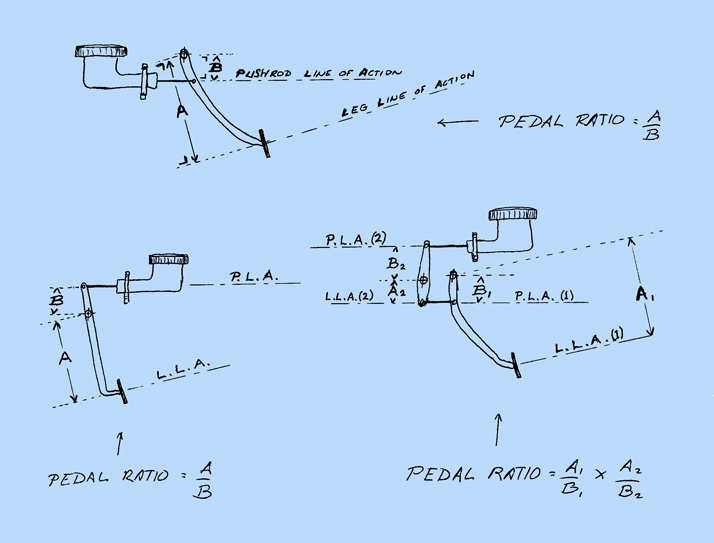
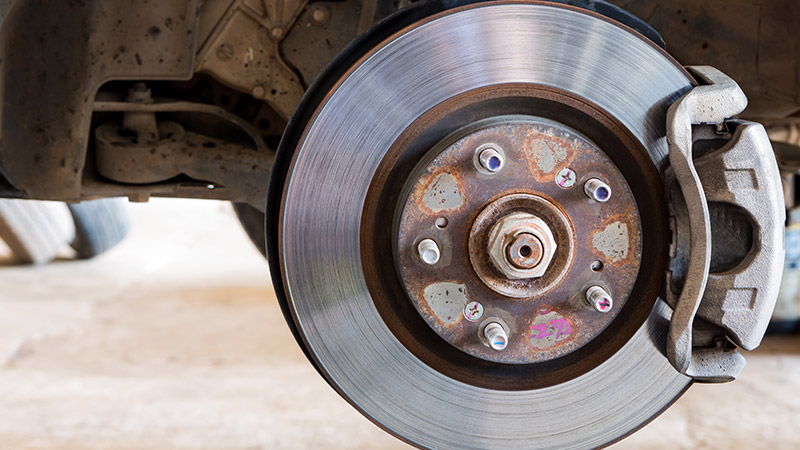
If you’ve ever experienced a spongy brake pedal, you know it’s often a telltale signal of trouble in the vehicle’s hydraulic braking system. This sensation usually points to a critical problem lurking within the brake master cylinder, the key component that converts your physical effort at the pedal into the hydraulic pressure required to effectively stop the vehicle.
What is a Brake Master Cylinder and How Does it Function?
The brake master cylinder is an ingenious device that serves as the heart of your vehicle’s hydraulic brake system. When you press the brake pedal, this component translates your force into hydraulic pressure, distributing it through brake lines to either wheel cylinders or brake calipers. Consequently, it engages the brake pads against rotors or shoes against drums—slowing or halting your vehicle with precision.
Most modern vehicles utilize a tandem master cylinder, which consists of two pistons working in harmony within a single bore, creating two independent hydraulic circuits. This design enhances safety: if one circuit faces failure, the other can maintain some level of braking capability. The master cylinder features a reservoir for brake fluid, pistons, seals, and return springs. Upon pressing the brake pedal, a pushrod activates the primary piston, compressing brake fluid and generating vital hydraulic pressure. This pressure then moves the secondary piston, engaging the second brake circuit.
What are the Primary Symptoms of a Failing Brake Master Cylinder?
A failing brake master cylinder exhibits several clear symptoms that affect not just your brake pedal feel, but the overall performance of your braking system. The most notable sign is that spongy brake pedal or a pedal that gradually sinks to the floor under pressure. Other indicators include low brake fluid levels, contaminated fluid, and diminished braking efficiency. Additionally, you may hear grinding noises when braking or experience the vehicle pulling to one side, which can all point to issues with the master cylinder.
How Does Internal Leakage Impact Brake Pedal Feel?
Internal leakage in the master cylinder occurs when seals become worn or damaged, allowing brake fluid to bypass the pistons rather than building up necessary hydraulic pressure. This can lead to a brake pedal that feels soft or mushy, and may even sink to the floor without any visible external fluid loss. While pumping the pedal can temporarily restore some stiffness, the underlying issue will remain until repairs are made.
What Role Does External Brake Fluid Leakage Play in Master Cylinder Failure?
Visibly leaking brake fluid from the master cylinder signifies a breach in its seals or housing. Often, leaks originate at the grommets connecting the reservoir to the cylinder body or from the seal nearest to the brake booster. If you find yourself frequently topping off the brake fluid reservoir, it’s a clear sign of an external leak. Such fluid loss compromises the hydraulic system’s ability to create adequate pressure, directly affecting braking effectiveness.
How Does Air in the Brake System Affect the Master Cylinder?
The introduction of air into the brake system can create compressible pockets that disrupt the efficient transfer of hydraulic pressure. Air can infiltrate the system through low brake fluid levels, leaks, or improper bleeding during maintenance. The result is a spongy or soft brake pedal, as pedal force compresses the air bubbles before effectively pressurizing the brake fluid to engage the calipers or wheel cylinders. To eliminate air and restore pedal firmness, a complete brake fluid flush and proper bleeding procedure are essential.
What are Common Causes of Brake Master Cylinder Deterioration?
The deterioration of brake master cylinders typically stems from various factors, including wear, corrosion, and the quality of brake fluid. Over time, the internal rubber seals lose functionality, impairing the ability to maintain hydraulic pressure. Moreover, contaminated or degraded brake fluid, particularly when it absorbs moisture, can corrode the cylinder bore, damaging seals and interfering with piston movement. As brake fluid is hygroscopic, it absorbs moisture from the air, even in sealed environments, which can lead to rust and diminished performance. Additionally, any debris or grit in the fluid can score the cylinder walls, resulting in leaks and further seal failures.
How to Diagnose a Faulty Brake Master Cylinder?
Diagnosing a faulty brake master cylinder begins with observing specific behaviors of the brake pedal and inspecting the hydraulic system. A common diagnostic test is to firmly press the brake pedal for about one minute. If the pedal descends gradually towards the floor while pressure is sustained, it often points to an internal leak within the master cylinder. Conversely, a consistently hard pedal that demands excessive force may indicate a failing brake booster, rather than issues with the master cylinder itself. It’s also vital to visually inspect for any external fluid leaks around the master cylinder and its connections. Evaluating the brake fluid’s level and condition—looking for discoloration or cloudiness—can provide further vital clues; dark or contaminated fluid often suggests moisture infiltration or wear.
When confronted with symptoms such as a spongy pedal or inadequate braking performance, it’s crucial to evaluate the entire hydraulic circuit, which encompasses brake lines, brake calipers, and wheel cylinders. Each component plays a key role in the overall efficacy of the braking system. Prior to replacing the master cylinder, experienced technicians typically rule out other potential issues, such as air trapped in the lines or malfunctioning hydraulic components.
| Symptom | Primary Cause | Diagnostic Action |
|---|---|---|
| Spongy Brake Pedal | Air in hydraulic system; internal master cylinder seal failure | Bleed brakes; check for internal leakage test (pedal sink test) |
| Sinking Brake Pedal (to floor) | Internal master cylinder bypass (fluid leaks past seals) | Perform pedal hold test (pedal sinks slowly) |
| Low Brake Fluid Level (recurring) | External fluid leak from master cylinder or brake lines | Visually inspect master cylinder and lines for leaks |
| Contaminated Brake Fluid (dark/murky) | Worn internal seals; moisture ingress into fluid | Inspect fluid color; consider a brake fluid flush |
| Increased Stopping Distance | Loss of hydraulic pressure; overall system inefficiency | Evaluate pedal feel and other symptoms; inspect entire system |
Frequently Asked Questions About Brake Master Cylinders
What causes my brake pedal to feel spongy even after bleeding the brakes?
If your brake pedal remains spongy after proper bleeding, it likely signifies an internal leak within the brake master cylinder. This internal bypass happens when the seals are worn, allowing hydraulic fluid to flow past the pistons rather than building adequate pressure in the brake lines. Such internal failures hinder the system’s capacity to maintain firm pressure, resulting in that familiar spongy feel.
Can a bad master cylinder cause my car to pull to one side when braking?
Absolutely. A malfunctioning brake master cylinder can indeed lead your vehicle to pull to one side during braking. This occurs if the master cylinder fails to distribute hydraulic pressure evenly across the braking system. Modern tandem master cylinders are engineered to apply pressure to separate circuits (e.g., front-left and rear-right, or front and rear axles). An imbalanced pressure scenario from a faulty master cylinder can result in varying braking forces, which subsequently causes the car to veer off course.
How often should a brake master cylinder be replaced?
There isn’t a set replacement interval for a brake master cylinder; its lifespan can be affected by factors such as brake fluid maintenance, driving conditions, and the overall age of the vehicle. Typically, a well-maintained master cylinder can last for several years. However, replacement is crucial if symptoms of failure arise, such as a spongy pedal, a excessive sinking pedal, or visible fluid leaks. Regular brake fluid flushes play a vital role in prolonging its lifespan since degraded fluid can lead to internal corrosion and seal deterioration.