In today’s automotive landscape, the integration of sophisticated brake system sensors plays a vital role in ensuring vehicle safety and performance. These sensors go beyond the widely-known Anti-lock Braking System (ABS) and brake pad wear indicators. They create a comprehensive network that continuously monitors various aspects of the braking process. Data collected by these sensors is processed by the vehicle’s electronic control unit (ECU), enabling real-time adjustments and alerting drivers to potential issues.
What are the Fundamental Attributes of Brake System Sensors?
Brake system sensors are designed to monitor specific parameters within a vehicle’s braking system, providing essential real-time data to the control unit. These devices measure physical attributes such as wheel speed, pressure, temperature, and position, converting them into electrical signals that inform the vehicle’s computer systems. Ultimately, these sensors enhance vehicle safety, optimize braking performance, and deliver timely diagnostic information.
What Types of Brake System Sensors Exist Beyond ABS and Wear Indicators?
Beyond the familiar ABS wheel speed sensors and brake pad wear sensors, several other essential brake system sensors contribute significantly to a vehicle’s safety and performance. Each sensor serves a distinct purpose, monitoring specific operational aspects within the braking system.
How Do ABS Wheel Speed Sensors Contribute to Vehicle Stability?
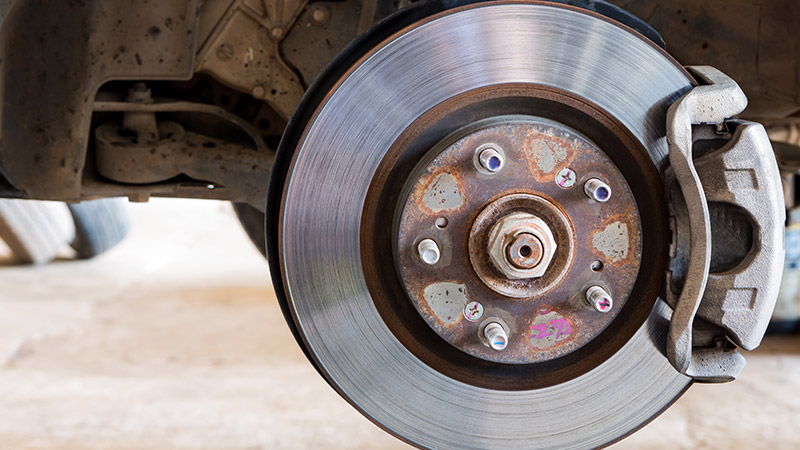
ABS wheel speed sensors are strategically positioned at each wheel hub, constantly tracking individual wheel rotation speed. This data is sent to the ABS control module, which detects when a wheel is at risk of locking during sudden braking. The system then rapidly modulates brake pressure to that specific wheel, preventing lock-up and allowing the driver to maintain steering control, particularly on slippery surfaces.
What is the Role of Brake Pad Wear Sensors?
Typically integrated into the brake pads, brake pad wear sensors monitor the thickness of the friction material. When a brake pad wears down to a predetermined minimum level, the sensor either makes physical contact with the rotor, causing an audible squeal, or it completes an electrical circuit, illuminating a warning light on the dashboard. This proactive alert helps prevent excessive wear, which could damage brake rotors and lead to costly repairs.
Why are Brake Fluid Level Sensors Crucial for Brake System Health?
Located within the master cylinder reservoir, brake fluid level sensors continuously monitor the volume of brake fluid. If the fluid level drops below a safe threshold—often due to a leak or worn brake pads—the sensor triggers a dashboard warning light. This immediate notification is crucial for preventing potential brake system failure, as low fluid levels can compromise hydraulic pressure and affect braking effectiveness.
How Do Brake Pedal Position Sensors Affect Vehicle Operation?
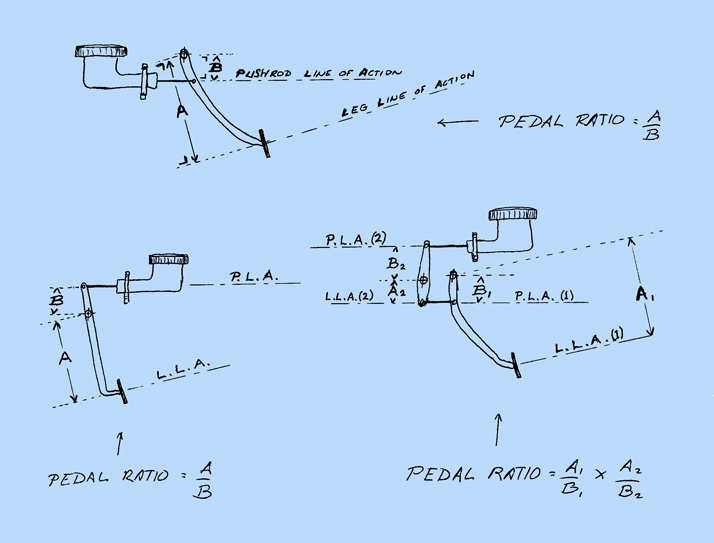
Brake pedal position sensors detect the position and movement of the brake pedal, translating these mechanical inputs into electronic signals for the ECU. This information is essential for activating brake lights, disengaging cruise control, and informing systems such as Electronic Brake-force Distribution (EBD) and Brake Assist (BA). In hybrid and electric vehicles, these sensors also play a key role in optimizing regenerative braking.
What is the Function of Brake Pressure Sensors?
Brake pressure sensors accurately measure the hydraulic pressure generated within the brake lines when the pedal is pressed. This data is transformed into electrical signals for the ECU or a dedicated brake control module. These sensors are fundamental to advanced systems like ABS, Electronic Stability Control (ESC), and Traction Control System (TCS), allowing them to modulate brake pressure to individual wheels for improved stability and control.
Do Brake Systems Utilize Temperature Sensors?
While they may be rare in standard passenger vehicles, brake temperature sensors are crucial in high-performance, commercial, and research applications. These sensors monitor the surface temperature of brake rotors or pads in real time, providing data that optimizes brake performance, assesses pad pressure distribution, and prevents overheating. Overheating can lead to brake fade and diminished efficiency, making temperature monitoring essential for reliable stopping power.
Comparative Overview of Brake System Sensors
Understanding the distinct characteristics and functions of various brake system sensors underscores their integrated role in vehicle safety and performance.
| Sensor Type | Primary Function | Location | Output to ECU | Typical Warning Indicator |
|---|---|---|---|---|
| ABS Wheel Speed Sensor | Monitors individual wheel rotational speed to prevent lock-up during braking. | At each wheel hub/axle. | Wheel speed data. | ABS warning light. |
| Brake Pad Wear Sensor | Detects when brake pads reach a minimum thickness, signaling replacement. | Integrated into brake pads. | Resistance change (electronic), physical contact (acoustic). | Brake warning light or audible squeal. |
| Brake Fluid Level Sensor | Monitors the amount of brake fluid in the master cylinder reservoir. | Master cylinder reservoir. | Fluid level status (switch). | Brake warning light. |
| Brake Pedal Position Sensor | Detects brake pedal movement and position. | Near the brake pedal. | Pedal position (electrical signal). | Malfunctioning brake lights, cruise control issues. |
| Brake Pressure Sensor | Measures hydraulic pressure in the brake lines. | Master cylinder or hydraulic control unit. | Pressure values (electrical signal). | Often no dedicated light; impacts ABS/ESC performance. |
| Brake Temperature Sensor | Measures brake component temperature to prevent overheating. | On brake rotors or pads. | Temperature data. | Primarily for diagnostics/performance monitoring; less common for direct driver warning in production cars. |
How Do Brake System Sensors Interact with Vehicle Control Systems?
Brake system sensors are indispensable to a vehicle’s electronic architecture, communicating seamlessly with the ABS control module, Engine Control Unit (ECU), and various advanced driver-assistance systems (ADAS). The ECU utilizes this real-time data to make instantaneous adjustments, ensuring optimal braking performance under varying conditions. For example, the ABS ECU processes wheel speed sensor data to prevent wheel lock-up, while brake pressure sensor data informs Electronic Stability Control (ESC) to avert skidding. This interconnectedness enhances control, stability, and safety features, including automatic emergency braking and adaptive cruise control.
What are the Symptoms of a Malfunctioning Brake System Sensor?
Symptoms of a malfunctioning brake system sensor can differ based on the specific sensor but typically include dashboard warning lights, altered braking performance, or issues with related vehicle systems. A common indicator is the illumination of the ABS warning light, which suggests a problem within the anti-lock braking system, possibly due to a faulty wheel speed sensor. For brake fluid level sensors, a red “BRAKE” warning light generally signifies low fluid. A defective brake pedal position sensor might cause brake lights to remain on or not activate, or interfere with cruise control operation. In advanced systems, issues with pressure sensors can impair stability control or cause inconsistent braking. Ignoring these warnings may compromise vehicle safety and lead to higher repair costs.
What Advancements are Occurring in Brake System Sensor Technology?
Brake system sensor technology continues to evolve, driven by advancements in vehicle automation and electrification. Future braking systems are set to integrate artificial intelligence and machine learning, predicting braking needs based on driver behavior and environmental conditions. Technologies such as brake-by-wire systems—replacing mechanical linkages with electronic signals and sensors—promise faster and more precise braking. Furthermore, regenerative braking systems in electric vehicles rely heavily on accurate sensor data to convert braking energy into electrical power. As sensors become increasingly sophisticated, they provide real-time data for predictive maintenance, reducing component wear and ensuring compliance with stringent safety regulations.
The ongoing evolution of these sensors highlights their integral role in the safety and performance of modern vehicles. Understanding these components is crucial for vehicle owners and technicians alike.
Frequently Asked Questions About Brake System Sensors
What is the primary function of a brake system sensor?
A brake system sensor’s primary function is to monitor various parameters within the braking system, including wheel speed, hydraulic pressure, fluid level, and component wear, transmitting this vital data to the vehicle’s electronic control unit (ECU) for real-time adjustments and diagnostics.
How do brake fluid level sensors work?
Brake fluid level sensors often utilize a float mechanism or magnetic reed switch situated in the master cylinder reservoir. When the brake fluid level dips below a specific point, the float or switch activates, completing an electrical circuit that triggers a warning light on the dashboard to alert the driver.
Can a faulty brake pedal position sensor affect my car’s starting ability?
Yes, in many modern vehicles, the engine will not start unless the brake pedal is depressed. If the brake pedal position sensor fails, the vehicle’s computer may not detect that the pedal is pressed, preventing the engine from starting.