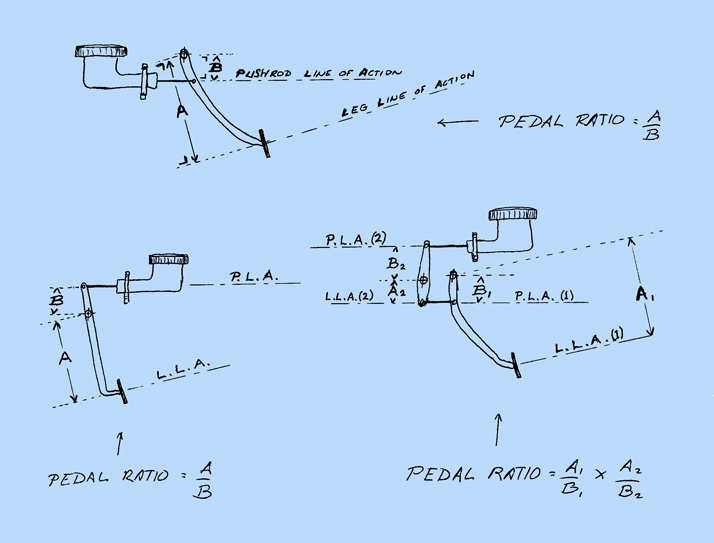
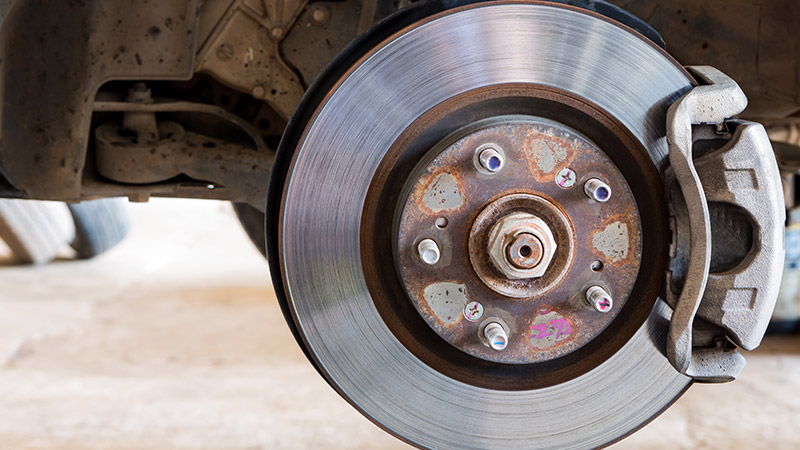
The brake booster, often referred to as a power brake booster, plays an essential role in a vehicle’s hydraulic braking system. Its main purpose is to decrease the effort required by the driver when applying the brakes, enhancing both comfort and safety. By multiplying the force exerted on the brake pedal, this component significantly improves the vehicle’s stopping efficiency, allowing for a smoother and more controlled driving experience. Typically, the brake booster operates using engine vacuum, making the braking process less strenuous and more responsive for drivers.
What is a Brake Booster and How Does it Function?
A brake booster functions as a vacuum-operated device situated between the brake pedal and the master cylinder. It harnesses the pressure differential created by engine vacuum to amplify the force that the driver applies to the master cylinder, which then sends hydraulic pressure to the brake calipers or wheel cylinders. The brake booster consists of a tightly sealed housing, a flexible diaphragm, a pushrod, and a series of valves that manage air and vacuum flow. When the driver presses the brake pedal, the pushrod activates the valves, allowing atmospheric pressure to enter one side of the diaphragm while the engine vacuum acts on the opposite side. This interaction generates the necessary force to assist in pushing the master cylinder piston.
What are the Primary Brake Booster Symptoms Indicating Failure?
Identifying the symptoms of brake booster failure is crucial for maintaining vehicle safety. These symptoms occur when the booster can no longer effectively multiply the force from the brake pedal, often due to internal wear or vacuum leaks. Prompt recognition of these indicators enables timely repairs, ensuring braking performance remains uncompromised.
Hard Brake Pedal
One of the most noticeable signs of a failing brake booster is a hard brake pedal. Without vacuum assistance, the driver must exert significantly more force to press down on the pedal and engage the brakes, a feeling often described as “standing on a brick.”
Extended Stopping Distances
When the brake booster malfunctions, the vehicle often requires a longer distance to come to a complete stop, particularly during emergency braking. This decline in braking assistance means there’s less hydraulic pressure being applied to the brake system, resulting in a significant increase in overall stopping distance. Such a condition critically endangers vehicle safety, emphasizing the need for functional ABS brakes and a properly working brake booster.
Hissing Noises
If you notice a hissing noise emanating from the area around the brake pedal when pressed or released, it usually indicates a vacuum leak. This sound suggests that air is entering the brake booster where it shouldn’t be, disrupting the necessary vacuum differential for optimal operation.
Engine Idling Issues
The brake booster relies on engine vacuum, so a significant leak in the booster or its hose can impact engine performance. Drivers may experience symptoms such as a rough idle, stalling, or decreased engine efficiency, as the engine struggles to sustain appropriate vacuum levels.
Contaminated Vacuum Line
A visual inspection of the vacuum hose leading to the brake booster might reveal contamination, such as brake fluid. This contamination indicates a potential internal leak within the master cylinder or the brake booster itself, where brake fluid could be drawn into the vacuum system. Such degradation can lead to failure of the booster’s internal components.
How Does a Brake Booster Fail?
The failure of a brake booster typically arises from various internal or external factors that compromise its ability to maintain vacuum or mechanical integrity. Common causes of failure include a ruptured diaphragm, which is a flexible rubber component separating the vacuum and atmospheric pressure chambers. A torn diaphragm allows air to infiltrate, undermining the pressure differential needed for assistance. A malfunctioning check valve, which sustains vacuum in the booster when the engine is off, can also lead to a hard brake pedal upon initial application. Furthermore, corrosion or wear on the internal pushrod or housing can obstruct proper function, resulting in diminished or absent power assist.
Can a Vehicle Be Driven with a Failing Brake Booster?
Driving a vehicle with a failing brake booster is strongly discouraged due to its severe safety implications. While the brakes may still function mechanically, the increased pedal effort and extended stopping distances can compromise the driver’s control of the vehicle, especially during emergencies. This condition significantly raises the risk of accidents. It’s essential to address these common brake problems as soon as symptoms arise.
Brake Booster vs. Master Cylinder: What is the Difference?
Understanding the distinction between a brake booster and a master cylinder is crucial, as they often get confused despite serving different functions within the braking system. The brake booster amplifies the driver’s pedal force, while the master cylinder converts that mechanical force into hydraulic pressure.
| Feature | Brake Booster | Master Cylinder |
|---|---|---|
| Primary Function | Amplifies pedal force using vacuum assist. | Converts mechanical force into hydraulic pressure. |
| Location | Between brake pedal and master cylinder. | Mounted to the brake booster; contains brake fluid reservoirs. |
| Key Components | Diaphragm, check valve, vacuum hose. | Pistons, fluid reservoirs, fluid ports. |
| Failure Symptoms | Hard pedal, hissing, extended stopping distances. | Spongy pedal, fluid leaks, loss of brake pressure. |
| Energy Source | Engine vacuum (or auxiliary pump). | Hydraulic pressure from driver’s foot (amplified by booster). |
What is the Process for Diagnosing a Faulty Brake Booster?
Diagnosing a faulty brake booster involves several crucial checks to confirm its operational integrity. A common method includes pumping the brake pedal several times with the engine off to exhaust any residual vacuum, then holding the pedal down while starting the engine. If the pedal drops slightly when the engine starts, the booster is likely functioning correctly. Another tactic involves clamping off the vacuum hose to the booster, if possible, to determine if engine idle smooths out, suggesting a vacuum leak within the booster. Visual inspections for fluid leaks around the connections between the booster and master cylinder are vital. Technicians may also utilize a vacuum gauge to assess the vacuum levels at the booster input. Early diagnosis helps avert further complications associated with connecting components, such as the brake calipers.
What is the Typical Lifespan and Replacement Cost of a Brake Booster?
The typical lifespan of a brake booster varies based on vehicle usage, environmental conditions, and manufacturing quality, generally ranging from 100,000 to 150,000 miles. However, premature failure is also possible. The replacement cost for a brake booster typically includes both the part and labor. Prices for the part can range from $100 to $400, while labor can add another $150 to $400, leading to total repair costs often between $250 and $800, depending on the vehicle’s make and model as well as regional labor rates.
Frequently Asked Questions About Brake Booster Failure
What causes a brake booster to fail? A brake booster typically fails due to a ruptured internal diaphragm, a faulty check valve that prevents vacuum retention, or a compromised vacuum hose leading to a loss of consistent engine vacuum. Additionally, internal corrosion or wear of mechanical components can contribute to its degradation.
How do I test my brake booster at home? To test your brake booster, pump the brake pedal 3-4 times with the engine off to drain any residual vacuum. Then, maintain pressure on the pedal and start the engine. If the pedal sinks lower, the booster is likely functioning properly. If the pedal stays hard, it indicates a potential issue. Listen for a hissing noise near the pedal when pressed, which could signal a vacuum leak.
Is it dangerous to drive with a bad brake booster? Yes, it is dangerous to drive with a malfunctioning brake booster. While hydraulic brakes will still technically work, the loss of power assist means significantly more effort is required to stop the vehicle, dramatically increasing stopping distances. This poses a serious safety risk, especially during emergency braking situations.