Replacing an oil filter is not just a routine task; it’s a vital step in maintaining your car’s engine health. By removing the old, contaminated filter and installing a new one, you ensure a clean circulation of engine oil. This action is crucial for the longevity and efficiency of your engine, as oil filters safeguard critical components from abrasive particles and sludge that can cause significant wear over time.
Embarking on a DIY oil filter change journey offers numerous benefits. Not only does it save you money, but it also deepens your understanding of your vehicle’s mechanics and fosters a strong sense of empowerment.
What is the Purpose of an Engine Oil Filter?
The primary function of an engine oil filter is to eliminate contaminants from the engine oil. During regular operation, dirt, metal particles, carbon deposits, and unburned fuel accumulate, threatening the purity of the oil. By filtering out these harmful substances, the oil filter protects vital engine components, such as bearings, camshafts, and pistons, from premature wear, ensuring optimal lubrication and performance.
What Tools and Materials are Required for an Oil Filter Change?
To execute a successful DIY oil filter change, you’ll need specific tools and materials to secure an efficient and safe process. Essential equipment includes a drain pan to catch old oil, a socket wrench of the correct size for the drain plug, and an oil filter wrench or strap wrench for easy filter removal.
Gather the required materials: a new oil filter, the appropriate type and quantity of fresh engine oil, and a replacement crush washer for the drain plug. It’s wise to include nitrile gloves, shop rags, and safety glasses for safety and cleanliness. Knowing the necessary tools for automotive tasks is crucial for any DIY enthusiast and extends beyond oil changes to include essential brake system diagnostics tools for DIY troubleshooting.
How Does the Oil Filter Removal and Installation Process Work?
The process of removing and installing an oil filter begins with safely elevating your vehicle on jack stands. After locating the oil pan drain plug and the oil filter, you’ll loosen the drain plug to allow old engine oil to drain completely into the pan.
Once the oil has fully drained, reinstall the drain plug, ensuring a new crush washer is fitted, and torque it to the manufacturer’s specifications. Following this, carefully unscrew the old oil filter with your oil filter wrench.
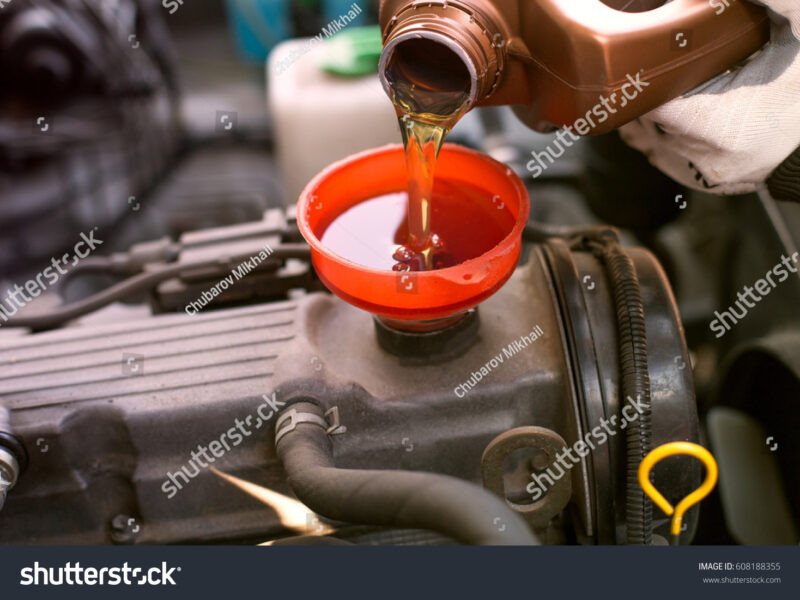
Before installing the new oil filter, lubricate its gasket with a thin layer of new oil. Attach the filter by screwing it on hand-tight, typically turning an additional quarter to half turn after the initial contact, as per the manufacturer’s guidelines. Finally, pour the correct volume of fresh engine oil into the engine through the oil filler cap.
What are the Different Types of Engine Oil Filters?
Engine oil filters predominantly come in two main categories: spin-on oil filters and cartridge oil filters. Spin-on filters are self-contained units that screw onto a fitting on the engine block, complete with a metal canister, filter media, and a sealing gasket. In contrast, cartridge filters consist solely of the filter media and are housed within a reusable canister integrated into the engine assembly. The choice between these types hinges on your vehicle’s design and the manufacturer’s specifications. While both serve the same essential purpose of contaminant removal, they employ different housing and installation methods.
| Feature | Spin-On Oil Filter | Cartridge Oil Filter |
|---|---|---|
| Construction | Self-contained unit (canister, media, gasket) | Filter media only; housed within engine assembly |
| Installation | Threads onto engine block fitting | Placed into a reusable filter housing |
| Waste Profile | Entire unit disposed | Only filter element disposed; housing reused |
| Commonality | Historically more common in vehicles | Increasingly prevalent in modern vehicles for environmental reasons |
| Sealing Mechanism | Integrated rubber gasket | O-rings on housing cap |
What is the Recommended Frequency for Oil Filter Changes?
The recommended frequency for oil filter changes is often aligned with the engine oil change interval. Most vehicle manufacturers suggest replacing the oil filter every time the engine oil is changed. For modern vehicles, intervals typically range from 5,000 to 10,000 miles or every 6 to 12 months, depending on the type of oil used—be it conventional, synthetic blend, or full synthetic. Following these guidelines, as provided in the owner’s manual, is essential for optimal engine health. Neglecting this crucial maintenance, much like ignoring a dashboard warning light, can lead to serious mechanical issues, just as understanding brake pad wear sensors can prevent brake failure.
FAQs About DIY Oil Filter Replacement
Q: What happens if you don’t change your oil filter regularly?
A: Neglecting regular oil filter changes results in a clogged filter, which diminishes its efficiency. This can cause unfiltered oil to circulate through the engine, leading to increased wear on internal components, reduced performance, and potentially severe engine damage from abrasive particles.
Q: Do I need to pre-fill a new oil filter before installation?
A: Pre-filling a new oil filter is a common practice, especially with larger filters, as it reduces the time necessary for oil pressure to build up after starting the engine. This minimizes the duration of engine operation without full lubrication, though it is not universally required by all manufacturers and should be done with care to avoid spills.
Q: How should I dispose of old engine oil and filters?
A: Proper disposal of used engine oil and filters is not only legally mandated but also crucial for environmental safety. Collect used engine oil in a sealed container and take it to an automotive parts store, a recycling center, or a local hazardous waste facility. Old oil filters can usually be recycled at these same locations after ensuring they are drained of residual oil.