Your vehicle’s braking system is not just a mechanism; it’s one of the most vital components that ensures your safety on the road. Picture this: cruising along, the unexpected happens, and you need to stop quickly. A swift press on the brake pedal engages an intricate network of components that seamlessly brings your car to a halt. But have you ever considered the amazing engineering behind this crucial process? At the core of this operation are your car’s brakes and rotors (or brake discs).
Grasping the significance of these essential elements, along with their operation and maintenance, is fundamental for any car owner. In this comprehensive guide, we will unravel the complexities of brakes and rotors, equipping you with the knowledge you need to ensure your vehicle stops safely, efficiently, and with confidence.
Unveiling the Power: What Exactly Are Brakes and Rotors?
Your car’s brakes and rotors work in tandem to perform a simple yet critical function—the transformation of kinetic energy into thermal energy through the process of friction. This heat is dissipated efficiently, allowing your car to either slow down or come to a complete stop when needed.
- Brakes (The Braking System): This refers to the entire sophisticated assembly responsible for your vehicle’s deceleration. It is more than just the brake pads and calipers; it includes a complex hydraulic system that translates gentle pressure from your foot into substantial stopping power at each wheel.
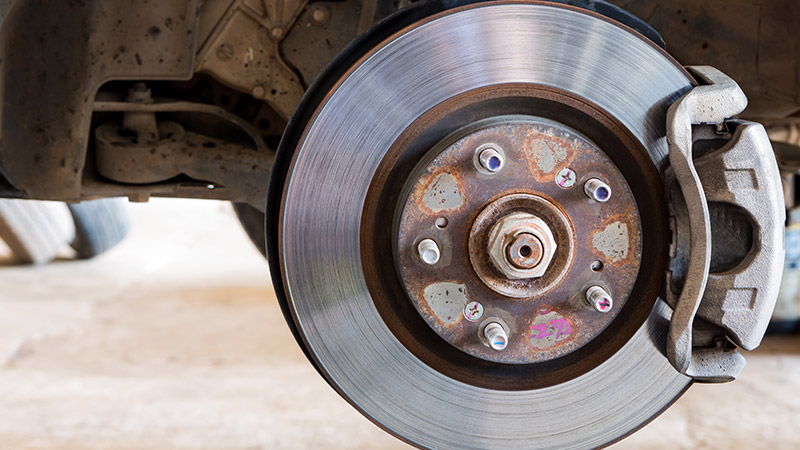
- Rotors (Brake Discs): These are robust, circular metal discs firmly mounted on your wheel hub, rotating in tandem with your wheels. When the brakes are engaged, the brake pads press against the rotors, creating the friction necessary to decelerate. Crafted from materials like cast iron or high-performance composites, rotors withstand and dissipate the heat generated during braking, ensuring consistent performance.
Think of brake pads as the initiators of pressure and rotors as the receivers, enabling your vehicle to stop when needed. Together, they choreograph the essential dance of stopping your car.
The Engineering Marvel: How Your Car’s Braking System Works
The operation of your braking system is a stunning example of automotive engineering, transforming a simple press of the pedal into a powerful stop. Let’s explore this intricate process, step by step:
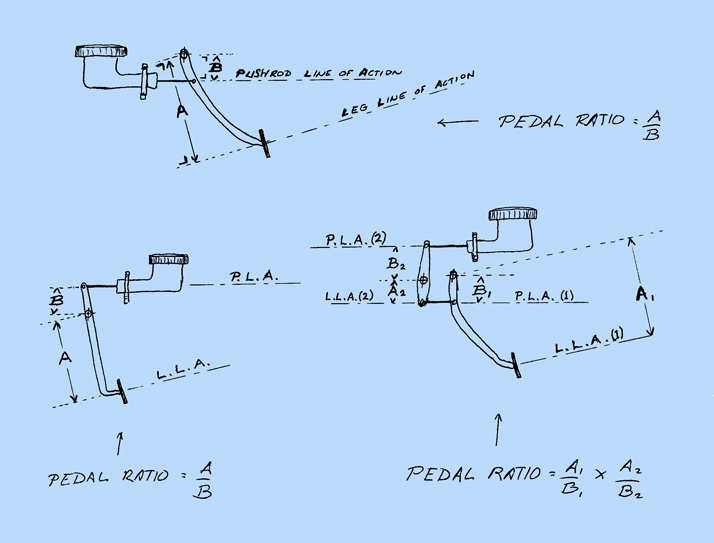
- Pedal Activation: It all begins when your foot touches the brake pedal, triggering a chain reaction. This action activates the brake booster, which amplifies the force of your foot, making braking easier.
- Master Cylinder Engagement: This enhanced force drives a piston inside the master cylinder, pressurizing the brake fluid.
- Brake Lines: The high-pressure brake fluid travels through a system of robust brake lines and flexible hoses to each wheel.
- Caliper’s Embrace: At the wheels, the hydraulic brake fluid reaches the brake calipers, pushing powerful pistons outward.
- Pads Meet Rotors: These pistons press the brake pads firmly against the rotating rotors, generating intense friction that slows the wheel’s rotation and brings the vehicle to a complete stop.
- Heat Dissipation: The rotors do more than just create friction; they manage the heat produced. Efficient heat dissipation prevents overheating and maintains reliable braking performance, even under pressure.
The Orchestra of Safety: Key Components of a Disc Brake System
While the focus often rests on rotors and brake pads, the entire braking system consists of several precisely engineered components, each integral to effective and reliable stopping power.
- Brake Pedal: Your first point of contact that activates the entire braking system.
- Brake Booster: This multiplies the force of your foot for easier braking.
- Master Cylinder: The heart of the hydraulic system that converts pedal force into fluid pressure.
- Brake Fluid: The incompressible medium that transmits pressure throughout the system. Its quality and level must be monitored for consistent brake functionality. Explore more about brake fluid maintenance: Beyond the Dipstick: Advanced Brake Fluid Testing for Optimal Safety. For insights on brake fluid types, read The Underdog: Demystifying DOT 5.1 Brake Fluid and Its Advantages and Beyond the Lines: How Brake Fluid Reacts with Car Components.
- Brake Lines/Hoses: Robust tubes and flexible hoses that reliably carry brake fluid to the calipers.
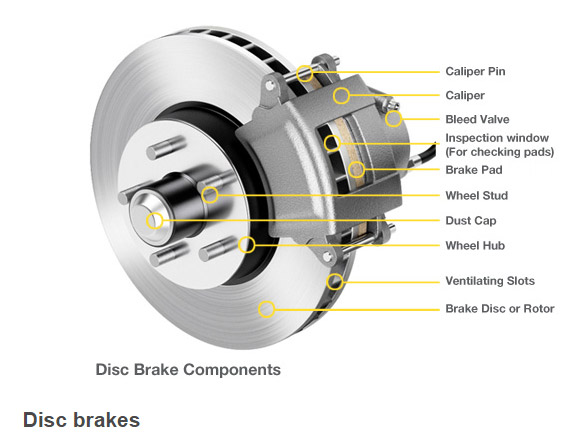
- Brake Calipers: The clamps that hold the brake pads and pistons, pressing them against the rotors.
- Brake Pads: The material that makes direct contact with the brake discs, creating friction.
- Brake Rotors (Discs): The rotating surface against which the pads exert pressure to stop the vehicle.
The Foundation of Stopping: Brake Rotors Explained – Types and Materials
Brake rotors are not just simple metal discs. Their design and material composition can significantly impact both braking performance and durability. Typically made from cast iron, specialized materials exist for high-performance vehicles, offering unique advantages.
Unpacking Rotor Designs: Types of Brake Rotors
Different rotor designs provide specific benefits, tailored to various driving conditions. Choosing the right rotor type can enhance your driving experience and safety.
| Rotor Type | Description | Advantages | Disadvantages | Ideal For |
|---|---|---|---|---|
| Smooth/Solid | Features a flat, uniform friction surface. | Cost-effective, quiet operation, and standard for most OEM applications. | Limited heat dissipation; may glaze under prolonged use. | Everyday commuting and city driving. |
| Vented | Contains a hollow channel between disc surfaces for airflow. | Improved heat dissipation reduces brake fade during heavy use. | Generally more costly than solid rotors. | Modern vehicles, particularly front wheels. |
| Drilled | Features precision-drilled holes across the disc surface. | Aids in heat and water dissipation, enhancing wet-weather performance. | May develop cracks; can lead to uneven pad wear. | Performance applications or wet driving conditions. |
| Slotted | Includes grooves machined across the rotor’s surface. | Improves gas and dust removal, enhancing bite and reducing fade. | Increased pad wear; may produce noticeable noise. | Heavy-duty applications and towing. |
| Drilled and Slotted | Combines drilled holes and machined slots. | Exceptional heat dissipation and strong stopping power. | Potentially shorter lifespan and increased noise. | High-performance vehicles and urban driving. |
The Contact Point: Brake Pads Explained – Materials and Performance
Brake pads are the unsung champions of your braking system, designed to wear down as they create the essential friction needed to stop your vehicle. The material composition affects performance, noise levels, dust production, and the longevity of the braking system.
Common Brake Pad Materials: Crafting Your Stop
The strategic selection of brake pad material directly influences your vehicle’s braking dynamics, affecting performance and comfort.
| Pad Type | Composition | Pros | Cons | Ideal For |
|---|---|---|---|---|
| Organic (NAO – Non-Asbestos Organic) | Varied fibers (rubber, Kevlar, carbon) bound by resins. | Quiet operation; gentle on rotors; generally affordable. | Wear faster; produce more dust; less effective in extreme conditions. | Daily driving and cost-conscious drivers. |
| Semi-Metallic | 30-65% metallic fibers blended with organic fillers. | Powerful stopping; excellent heat resistance and durability. | Can be noisier and generate more dust; may wear rotors faster. | Performance driving and heavier vehicles. |
| Ceramic | Ceramic fibers and specialized fillers. | Quiet operation; low dust; long-lasting; stable performance. | More expensive; may lack aggressive initial bite. | Everyday drivers prioritizing comfort. |
| Low-Metal NAO | Similar to organic pads with added small amounts of copper. | Improved stopping power compared to organic pads. | May produce more noise and dust. | Drivers seeking better braking feel without semimetallic commitment. |
Your Vehicle’s Whispers: Signs of Brake and Rotor Wear
Your vehicle communicates vital information about its condition, particularly when it comes to the braking system. Being attuned to these indicators can help you prevent costly damage and potential safety hazards. Pay attention to these warning signs:
- Squealing or Chirping: A common indicator of worn brake pads, caused by wear indicators rubbing against the rotor.
- Grinding or Metal-on-Metal Scraping: A serious warning indicating that brake pads are completely worn down. Ignoring this can lead to rotor damage.
- Vibration or Pulsation in the Brake Pedal/Steering Wheel: Often a sign of warped rotors, affecting braking efficiency.
- Increased Braking Distance: If your car takes longer to stop, this may indicate severe wear in pads or rotors.
- Visible Grooves, Cracks, or Discoloration on Rotors: These signs indicate serious wear or damage requiring immediate attention.
- Soft or Spongy Brake Pedal: This can indicate air trapped in lines or fluid leaks affecting performance.
- Brake Warning Light: An illuminated warning light on your dashboard signals the need for immediate inspection.
Preserving Your Power: Essential Maintenance Tips for Brakes and Rotors
Regular maintenance is critical to extending the lifespan of your braking system and ensuring your safety. Here are essential tips to keep your brakes and rotors in top condition:
- Regular Professional Inspections: Schedule a brake inspection at least once a year or every 12,000 miles. Visually check brake components for signs of wear or fluid leaks.
- Monitor Brake Fluid: Regularly inspect the fluid level and appearance. Dark or cloudy fluid indicates the need for a flush, typically every 2-3 years.
- Practice Smooth Braking: Anticipate stops and apply brakes smoothly to minimize heat buildup and wear.
- Reduce Excessive Weight: Unnecessary weight places undue stress on your brakes, accelerating wear.
- Proper Brake Bed-In: When installing new pads or rotors, follow the manufacturer’s bed-in procedures for optimal performance.
- Address Issues Promptly: Never ignore warning signs. Early diagnosis can prevent costly repairs later on.
The Critical Decision: When to Replace Your Brakes and Rotors
Knowing when to replace your brakes and rotors is essential for your safety. Don’t wait until it’s too late.
- Brake Pads: Typically replaced every 25,000 to 70,000 miles, depending on driving habits and pad material. Replace if friction material is below 3mm.
- Brake Rotors: Generally have a longer lifespan of 30,000 to 80,000 miles. Replacement is necessary if there are visible cracks, warping, or thickness issues.
Don’t compromise on safety! If you suspect brake or rotor issues, schedule a professional inspection immediately. Your safety depends on it!
Conclusion: Your Journey, Secured
Your vehicle’s braking system, especially the relationship between brakes and rotors, is complex yet vital for your safety. Understanding these components and their functions empowers you to make informed maintenance decisions. Recognize the signs of wear and adhere to a diligent schedule to secure reliable stopping power for countless safe miles ahead.
Related Resources to Enhance Your Drive:
- My Headlight Switch Isn’t Working: A Diagnostic Guide to Common Issues
- Has Your Car Lost Value? Filing a Diminished Value Claim Explained
- Driving Without Owning? The Essential Guide to Non-Owner Car Insurance
- Roaring Rides: Insuring Your Car’s Custom Exhaust and Other Modifications
- Night Driving Safety: Essential Headlight Tips for Better Visibility and Accident Prevention
- Upgrade Your Front End: Top Aftermarket Headlight Assemblies for Enhanced Style and Performance
- Lumens vs. Kelvin: Understanding Headlight Bulb Brightness and Color Temperature