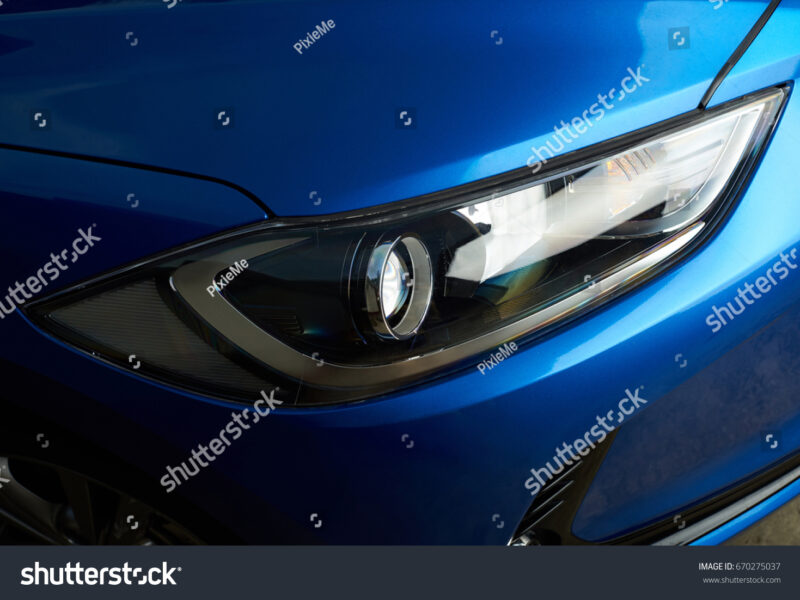
Aftermarket headlight assemblies are vehicle lighting units manufactured by third parties, specifically designed to replace or upgrade factory-installed headlights. These assemblies not only enhance the aesthetic appeal of vehicles but also improve road safety by significantly boosting illumination performance. Integrating advanced technologies such as LED and HID, they provide superior brightness, optimized beam patterns, and a range of stylish options—all while adhering to essential safety standards like DOT and SAE certifications for legal road use in the United States. Many drivers opt for these assemblies as a way to enhance visibility, customize their vehicles, and achieve greater energy efficiency compared to original equipment manufacturer (OEM) units.
What are Aftermarket Headlight Assemblies?
Aftermarket headlight assemblies represent a modern twist on traditional vehicle lighting. Unlike original equipment manufacturer (OEM) parts that strictly replicate the original design, these assemblies include comprehensive components like housing, lenses, and often bulbs or reflectors, tailored to replace or upgrade standard headlamps. Vehicle owners frequently select aftermarket options to benefit from a variety of innovative designs and enhanced features. Key components typically involve durable polycarbonate lenses for impact resistance and ABS plastic housings, ensuring long-term reliability. By upgrading their headlights, drivers can dramatically improve light output and customize their vehicle’s appearance.
How Do Aftermarket Headlight Assemblies Enhance Vehicle Style?
A standout feature of aftermarket headlight assemblies is their ability to elevate a vehicle’s style. Through innovative designs, diverse finishes, and seamlessly integrated lighting elements, these units offer a distinctive visual boost. Options include sophisticated projector lenses, daytime running lights (DRLs), dynamic sequential turn signals, and various lens finishes—from smoked to clear—tailored to enhance different vehicle aesthetics. Custom designs, such as “halo” or “angel eye” headlights, provide unique illuminated rings around the main light source, adding both to the overall aesthetics and visibility, thus setting a vehicle apart from standard models.
What Performance Advantages Do Aftermarket Headlights Offer?
When it comes to performance, aftermarket headlight assemblies provide significant benefits over OEM units. They deliver enhanced illumination, optimized beam patterns, and overall improved visibility—factors critical for safe driving. Many top-tier aftermarket options utilize cutting-edge lighting technologies, such as LED and HID bulbs, which are not only brighter but also more energy-efficient than conventional halogen bulbs. For example, LED headlights last over 30,000 hours and use 70-80% less power. The clear, crisp white light they emit reduces eye fatigue during lengthy night drives, while HID headlights significantly improve visibility in low-light conditions. The enhanced beam patterns of projector-style headlights focus light effectively on the road while minimizing glare for oncoming drivers, ensuring compliance with critical vehicle safety regulations.
What are the Top Aftermarket Headlight Assemblies for 2026?
In 2026, the top aftermarket headlight assemblies will prioritize a blend of light output, durability, aesthetic integration, and strict adherence to legal standards. Leading models in the aftermarket auto parts market often feature advanced LED or HID technology, offering a remarkable 200-300% increase in brightness compared to standard halogen headlights. Projector headlights are particularly favored due to their ability to deliver focused, controlled beam patterns that enhance road coverage while minimizing glare for other road users.
What are the Key Features and Technologies in Aftermarket Headlight Assemblies?
Key features in aftermarket headlight assemblies encompass various advanced lighting types, integrated safety and styling elements, and essential compliance certifications for legal street use and ease of installation. Among these features are:
- LED Projector Headlights: Offering superior brightness and exceptional energy efficiency (up to 80% less power consumption compared to halogen), these lights have a lifespan exceeding 30,000 hours, providing a modern aesthetic with crisp, white light (5000K-6000K).
- HID Projector Headlights: Known for their intense illumination (up to 3x brighter than halogen), these headlights create a wide beam pattern that is effective in nighttime and adverse weather driving, often featured in luxury vehicles.
- DRLs and Sequential Turn Signals: Many premium aftermarket assemblies include these features, enhancing visibility in daylight and adding a contemporary look to vehicles.
- DOT/SAE Compliance: Compliance with DOT and SAE standards is crucial, ensuring legal street use by adhering to regulations around brightness, beam patterns, and light color.
- Plug-and-Play Installation: Many high-quality aftermarket assemblies are designed for easy installation, allowing enthusiasts to upgrade their vehicles without extensive modifications.
How Do LED, HID, and Halogen Aftermarket Headlight Assemblies Compare?
The comparison between LED, HID, and halogen aftermarket headlight assemblies reveals substantial differences in terms of brightness, energy efficiency, lifespan, beam pattern, aesthetics, and cost:
| Feature | LED Projector Assemblies | HID Projector Assemblies | Halogen Reflector Assemblies (OEM Base) |
|---|---|---|---|
| Brightness (Lumens) | High (e.g., 200-300% brighter than halogen) | Very High (e.g., 3x brighter than halogen, ~3,200 lumens) | Standard/Low (e.g., 700-1,500 lumens) |
| Energy Efficiency | Very High (lowest power consumption, up to 80% more efficient) | High (less than halogen, ~25-30% more efficient) | Low (highest power consumption) |
| Lifespan (Hours) | Very Long (30,000-50,000+) | Long (2,000-5,000) | Short (500-1,000) |
| Beam Pattern | Focused, controlled, sharp cutoff, excellent road coverage | Intense, wide, can cause glare if misaligned; best with projectors | Wider, less precise, scattered; can be less effective |
| Aesthetics | Modern, crisp white light (5000K-6000K), various designs (e.g., DRLs, halos) | Luxury, bright white/blueish light (4300K-6000K) | Traditional, yellowish light (3200K), basic appearance |
| Cost | Higher initial investment (e.g., $300-$1000+) | Moderate to High (e.g., $150-$600) | Lowest initial cost (e.g., $50-$200) |
What are the Key Considerations When Choosing Aftermarket Headlights?
Choosing aftermarket headlights involves assessing critical factors for optimal compatibility and performance. Ensure the chosen assemblies are DOT and SAE certified to comply with regulations regarding brightness, beam patterns, and color—non-compliance can lead to fines or safety concerns. Installation difficulty varies; many aftermarket units allow for “plug-and-play” installations, while some may require professional help, possibly involving bumper removal or wiring adjustments. Consider the specific bulb type (LED, HID, or halogen) in light of desired performance, energy efficiency, and compatibility with your vehicle’s power system. Additionally, verify the fitment, warranty coverage (typically 1-5 years), and the reputation of the aftermarket brand to ensure a high-quality upgrade.
Frequently Asked Questions About Aftermarket Headlight Upgrades
Are aftermarket headlight assemblies legal in the U.S.?
Yes, aftermarket headlight assemblies are legal in the U.S. as long as they adhere to strict federal and local regulations, including compliance with the U.S. Department of Transportation (DOT) and Society of Automotive Engineers (SAE) standards regarding brightness, beam pattern, and color temperature. Non-compliant headlights can lead to legal issues, including fines and safety risks.
Can I install aftermarket headlight assemblies myself, or do I need a professional?
The installation complexity of aftermarket headlight assemblies varies widely. Many modern units are designed for “plug-and-play” installation, making it feasible for DIY enthusiasts with basic tools. However, more advanced setups may require professional installation to avoid issues such as improper alignment or moisture intrusion.
Do aftermarket headlights significantly improve night vision and safety?
Indeed, high-quality aftermarket headlight assemblies that utilize advanced LED or HID technology can vastly enhance night vision and driving safety. These headlights provide brighter, whiter light (typically 5000K-6000K), reducing eye fatigue during nighttime driving and ensuring better visibility of road edges, signs, and potential hazards while preventing glare to oncoming traffic.