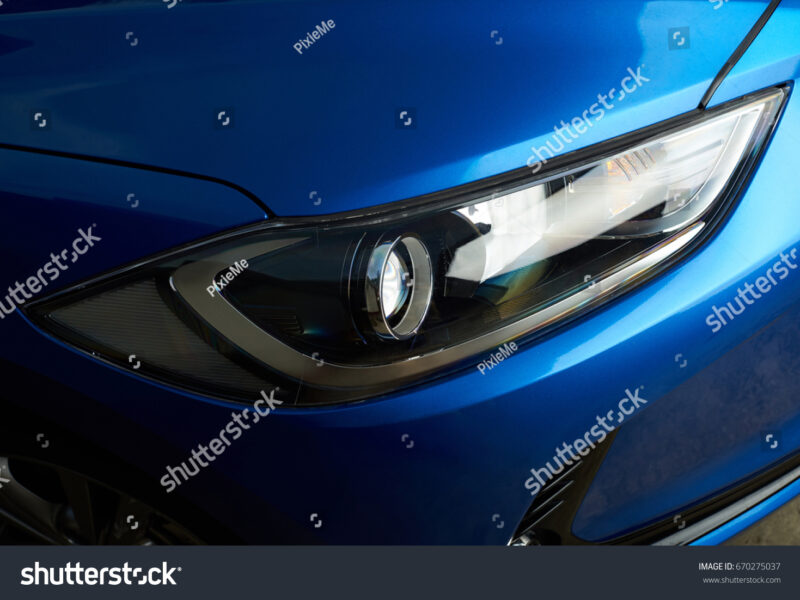
When it comes to night driving, optimizing your headlights is essential for safety. Effective illumination not only enhances visibility but also plays a critical role in preventing accidents. To ensure you’re prepared for the dark, familiarize yourself with different headlight technologies, including Halogen, Xenon (HID), LED, and Laser. Each type provides varying brightness and lifespan, and understanding their functions can significantly impact your night driving experience. Alongside this knowledge, adopting key safety practices—like ensuring proper alignment, regular maintenance, and utilizing high and low beams appropriately—can greatly boost your confidence on the road after dark.
What Role Do Headlights Play in Enhancing Night Driving Visibility?
Headlights are the primary source of illumination for vehicles, profoundly improving visibility at night. They illuminate the road ahead, making it easier for drivers to navigate potential hazards and ensuring that other road users can see the vehicle. Amazingly, around 50% of fatal accidents occur during nighttime hours, even though there are fewer vehicles on the road. This statistic underscores the vital importance of having reliable and effective headlights to reduce the risk of collisions.
What Are the Key Headlight Types and Their Impact on Night Vision?
The impact of different headlight technologies on night visibility cannot be overstated. The four primary headlight types—Halogen, Xenon (HID), LED, and the emerging Laser technology—offer unique benefits that enhance nocturnal visibility.
What are the characteristics and performance of Halogen Headlights for night driving?
Halogen headlights are the most common and economical option, featuring a tungsten filament encased in a sealed glass enclosure with halogen gas. They generally provide sufficient light output for various night driving scenarios, with a lifespan ranging from 450 to 1,000 hours.
Halogen Headlight Characteristics & Performance
| Feature | Detail | Metric |
|---|---|---|
| Bulb Type | Tungsten filament with halogen gas | N/A |
| Brightness (Lumens) | ~1500 | Lumens |
| Lifespan (Hours) | 450-1000 | Hours |
| Cost | Low | N/A |
| Color Temperature | 3,000 to 4,200 Kelvin (Yellowish hue) | Kelvin |
What are the advantages of Xenon (HID) Headlights in illumination for night driving?
Xenon, or High-Intensity Discharge (HID), headlights operate by igniting xenon gas within a sealed bulb, producing a much brighter and whiter light than traditional halogen bulbs. This enhanced brightness can dramatically improve night driving visibility.
Xenon (HID) Headlight Advantages
| Feature | Detail | Metric |
|---|---|---|
| Brightness (Lumens) | 3000-5500 | Lumens |
| Lifespan (Hours) | 2000-5000+ | Hours |
| Energy Efficiency | Medium | N/A |
| Color Temperature | Cooler (Whiter or slightly bluish) | N/A |
How do LED Headlights offer efficiency and distinct beam patterns for night driving?
LED (Light Emitting Diode) headlights stand out for their energy efficiency, converting electrical power to light more effectively than Halogen or HID options. They provide bright, clear illumination and versatile beam patterns that substantially increase night driving visibility while reducing overall energy consumption.
LED Headlight Efficiency & Beam Patterns
| Feature | Detail | Metric |
|---|---|---|
| Brightness (Lumens) | Varies (often higher than HID) | Lumens |
| Lifespan (Hours) | 15,000-40,000+ | Hours |
| Energy Efficiency | High | N/A |
| Light Output | Bright, white, clear illumination | N/A |
What is the emerging technology of Laser Headlights and how do they enhance night driving visibility?
Laser headlights comprise an innovative lighting technology using lasers to excite a phosphor material, creating an exceptionally bright and focused white light. This technology illuminates distances far exceeding those of conventional lighting systems, resulting in enhanced night driving visibility.
Laser Headlight Technology for Advanced Visibility
| Feature | Detail | Metric |
|---|---|---|
| Brightness | Extremely bright and focused (several times brighter than LED/HID) | N/A |
| Range | Superior (far beyond conventional systems) | N/A |
| Precision | High | N/A |
| Energy Efficiency | High | N/A |
The following table summarizes key characteristics of common headlight technologies, assisting you in selecting the most suitable options for your night driving needs:
| Feature | Halogen | Xenon (HID) | LED | Laser (Emerging) |
|---|---|---|---|---|
| Brightness (Lumens) | ~1500 | 3000-5500 | Varies (often higher than HID) | Extremely bright (N/A lumens, but significantly higher intensity) |
| Lifespan (Hours) | 450-1000 | 2000-5000 | 15,000-40,000+ | Very long (comparable to LED) |
| Energy Efficiency | Low | Medium | High | High |
| Cost | Low | Medium-High | High | Very High |
| Glare Potential | Low-Medium | Medium-High | Medium-High (depends on design) | Medium-High (due to intensity, but designed for precision) |
What Essential Headlight Safety Tips Optimize Night Driving Visibility?
To enhance night driving safety, it’s vital to optimize headlight performance through regular maintenance and best practices. Adhering to these guidelines ensures superior visibility at night and minimizes accident risks.
Why is Proper Headlight Alignment essential for optimal night driving illumination?
Proper alignment of headlights is critical. Well-aligned lights direct beams effectively onto the road, minimizing glare for oncoming drivers and ensuring maximum visibility without blinding others. Incorrect alignment can lead to dim spots and interfere with overall road safety.
What are the essential practices for Regular Headlight Maintenance, including cleaning and bulb replacement, for night driving?
Regular headlight maintenance plays a substantial role in night driving safety. This includes regular cleaning to remove dirt and oxidation that can diminish brightness, as well as timely bulb replacements when signs of wear like flickering or dimming appear.
Key Headlight Maintenance for Night Driving
| Maintenance Task | Frequency/Indicator | Benefit for Night Driving |
|---|---|---|
| Cleaning Headlight Lenses | Regularly (e.g., during car washes) | Maintains optimal brightness and clarity, preventing up to 50% light loss. |
| Bulb Replacement (Halogen) | Every 1-2 years or 450-1000 hours; upon dimming/flickering | Ensures consistent and adequate illumination. |
| Bulb Replacement (LED/HID) | Significantly longer lifespan; upon malfunction | Provides reliable, long-term bright light output. |
| Headlight Alignment Check | Annually or after maintenance/suspension changes | Directs light correctly, preventing dark spots and glare. |
| UV Protection/Restoration | As needed for yellowing/hazing | Restores lens clarity for maximum light transmission. |
Additionally, understanding car battery sizes is vital, as the overall electrical health of your vehicle can influence lighting performance, affecting your night driving experience.
When and where should High Beam and Low Beam Headlights be used for safe night driving?
Knowing when to switch between high and low beam headlights is crucial for nighttime safety. Use high beams to illuminate dark, rural roads when no oncoming traffic is present, and reserve low beams for city driving, adverse weather, and when near other vehicles.
High Beam and Low Beam Usage Guidelines
| Headlight Type | Usage Conditions | Visibility/Safety Distance |
|---|---|---|
| High Beams | Dark, rural roads without oncoming traffic | Illuminates 350-400 feet ahead, which enhances visibility significantly. |
| Low Beams | City driving, adverse weather (rain, fog, snow), following another vehicle | Dim within 500 feet of oncoming vehicle or 200-300 feet when following. |
How can Fog Lights be utilized effectively to enhance night driving visibility in adverse conditions?
Fog lights serve a unique purpose, providing essential illumination in dense fog, heavy precipitation, and severe mist. Their design allows them to project light closer to the ground, enhancing visibility during low visibility conditions.
Effective Fog Light Usage
| Condition | Usage Recommendation | Visibility Threshold |
|---|---|---|
| Dense fog, heavy mist, severe precipitation | Use only when visibility is severely limited. | Typically under 100 meters (about 328 feet). |
| Clear conditions | Do NOT use. | Can dazzle other drivers and obscure brake lights. |
What are the best practices for drivers to manage glare from oncoming vehicles during night driving?
Managing glare during night driving is essential to maintain visibility and safety. Drivers should avert their gaze from oncoming lights, focusing instead on the right edge of their lane to prevent temporary blindness from intense beams.
Night Driving Glare Management Best Practices
| Practice | Benefit for Night Driving Safety |
|---|---|
| Shift gaze to right edge of lane | Avoids direct blinding by oncoming headlights, preserving peripheral vision. |
| Avoid staring directly at lights | Reduces temporary visual impairment and disorientation. |
| Clean windshield and mirrors | Minimizes streaks and smears that can exacerbate glare and obscure vision. |
| Dim dashboard lights | Improves eye adaptation to external darkness, reducing internal glare. |
| Consider anti-reflective glasses | Lessens glare from various light sources. |
While glare is commonly complained about, studies indicate a correlation between brighter headlights and a reduction in low-visibility crashes. Glare is implicated in a relatively small percentage of overall accidents.
How do Adaptive Headlight Systems (AFS) improve nocturnal safety during night driving?
Adaptive Headlight Systems (AFS) dramatically enhance nighttime driving safety by automatically modifying the direction, brightness, distance, and beam pattern of headlights in real-time. This adjustment is based on factors like steering input, vehicle speed, and surrounding conditions.
Adaptive Headlight System Benefits for Night Driving
| Feature | Impact on Night Driving Safety | Mechanism |
|---|---|---|
| Dynamic Direction Adjustment | Illuminates curves and corners more effectively. | Headlights pivot based on steering input and vehicle speed. |
| Beam Pattern Modification | Broadens light for better peripheral vision or focuses for distant views. | Adapts to road elevation and environmental conditions. |
| Glare Reduction for Others | Minimizes dazzling for oncoming drivers while maintaining visibility for the driver. | Targeted dimming of portions of the beam (e.g., Adaptive Driving Beam – ADB). |
| Improved Hazard Detection | Enables earlier spotting of objects, particularly on winding roads. | Augments the illuminated range and responsiveness of headlights. |
How Does Headlight Condition Directly Impact Accident Prevention at Night?
The condition of a vehicle’s headlights plays a pivotal role in accident prevention at night; well-maintained and appropriately aimed headlights enhance a driver’s ability to see and react to their surroundings in low-light conditions. Conversely, dim, dirty, or misaligned headlights significantly impair visibility, hindering reaction times to obstacles and increasing the risk of collisions.
Frequently Asked Questions: Night Driving Headlight Safety Tips
How often should vehicle headlights be checked or replaced for optimal night driving?
To maintain optimal night driving conditions, headlight bulbs—particularly halogen types—should be checked periodically and typically replaced every 1-2 years or after 450-1,000 hours of use, as brightness diminishes over time. LED and HID bulbs often have longer lifespans, frequently lasting several years. Additionally, headlight alignment should be inspected annually or after significant vehicle maintenance. The headlight assembly generally only requires replacement if it is damaged, corroded, or malfunctioning.
What are the common signs of poor headlight performance that affect night driving visibility?
Indicators of subpar headlight performance impacting night driving visibility include dim lights, yellow or hazy lens appearance, flickering or uneven light output, or difficulty seeing the road clearly at night. Additionally, if other drivers frequently flash their high beams at you, that may indicate misalignment.
Can yellowed or hazy headlight lenses be restored to improve night driving visibility?
Absolutely! Yellowed or hazy headlight lenses—often due to UV exposure and oxidation—can generally be restored to improve night driving visibility. Restoration kits are available for clean, sand, and polish lenses using a UV protectant. Simple household items, such as toothpaste with mild abrasives, can also provide temporary solutions. In severe cases, professional restoration or headlight assembly replacement may be necessary.