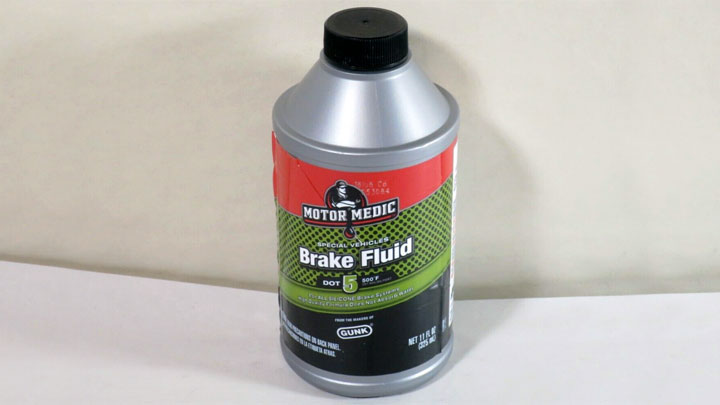
At the heart of vehicle safety lies a crucial yet often overlooked component: brake fluid. This non-compressible hydraulic fluid is essential for transmitting force from the brake pedal to the wheel calipers and cylinders, initiating the vital braking process. Without reliable brake fluid, the amplification of braking force and the assurance of consistent stopping power would be impossible. However, the effectiveness of brake fluid relies on its compatibility with various car components, particularly the elastomers used for seals and hoses. An incompatible fluid-material interaction can result in severe degradation of the braking system and even catastrophic brake failure.
What is Brake Fluid and How Does it Function in a Hydraulic System?
Brake fluid is a specialized hydraulic fluid designed to withstand the extreme pressures and temperatures of a vehicle’s braking system. Its primary function is to convert the mechanical force applied to the brake pedal into hydraulic pressure. This pressure travels through brake lines to engage calipers and wheel cylinders, pressing brake pads or shoes against the rotors or drums. The incompressibility of brake fluid is critical, ensuring a firm brake pedal feel and responsive stopping power. Today, most modern brake fluids are glycol-ether based, categorized as DOT 3, DOT 4, and DOT 5.1, while certain specialized applications utilize silicone-based fluids (DOT 5).
How Does Brake Fluid Interact with Automotive Seals and Hoses?
The interaction between brake fluid and automotive seals and hoses is vital for maintaining the integrity of the braking system. Brake fluid compatibility with seals not only dictates the reliability but also the lifespan of these components. Seals and hoses play an essential role by preventing fluid leakage and the ingress of contaminants, ultimately ensuring consistent hydraulic pressure.
What are the Material Compositions of Common Brake System Seals?
Brake system seals are crafted from specific rubber compounds engineered to withstand brake fluid’s chemical properties as well as high pressures and temperatures. The most commonly used material, Ethylene Propylene Diene Monomer (EPDM), is recommended for systems utilizing glycol-based (DOT 3, DOT 4, DOT 5.1) and silicone-based (DOT 5) brake fluids. Its exceptional resistance to these chemicals makes it a staple in modern systems. However, EPDM is incompatible with petroleum-based fluids like oil and gasoline. Other materials, such as Nitrile Rubber (NBR), Fluorocarbon (FKM/Viton), and Silicone rubber, each present distinct levels of compatibility and specific applications. For instance, while FKM (Viton) exhibits high-temperature resistance, it is generally not suitable for glycol-based fluids due to its intolerance for polar solvents.
How Do Different Brake Fluid Types Affect Seal Integrity?
Different brake fluid types carry unique chemical compositions that significantly impact their compatibility with various seal materials. Glycol-based fluids, such as DOT 3, DOT 4, and DOT 5.1, are generally compatible with EPDM seals, which are standard across most automotive brake systems. These fluids are hygroscopic, meaning they absorb moisture over time, lowering their boiling point and increasing the risk of corrosion in metal components. However, they typically do not cause seal swelling.
In contrast, DOT 5 silicone-based fluid is hydrophobic, repelling water to prevent moisture-induced corrosion but can cause natural rubber seals to swell, leading to potential brake binding or leaks. Mixing glycol-based fluids with silicone-based DOT 5 fluid is strongly discouraged due to their chemical incompatibility.
The table below summarizes the compatibility of common seal materials with different types of brake fluids:
| Seal Material | DOT 3 (Glycol) | DOT 4 (Glycol) | DOT 5 (Silicone) | DOT 5.1 (Glycol) | Key Considerations |
|---|---|---|---|---|---|
| EPDM Rubber | Compatible | Compatible | Compatible | Compatible | Standard for most systems; resists glycol and silicone. |
| Natural Rubber / SBR | Generally compatible (limited swelling) | Generally compatible (limited swelling) | Swelling likely | Generally compatible (limited swelling) | Common in older systems; susceptible to swelling with DOT 5. |
| FKM (Viton) | Not recommended (incompatible with glycol) | Not recommended (incompatible with glycol) | Compatible (for specialized applications) | Not recommended (incompatible with glycol) | Resists high temperatures/chemicals but not glycol. |
| Nitrile Rubber (NBR) | Generally compatible (limited cases) | Generally compatible (limited cases) | May soften/swell | Generally compatible (limited cases) | Commonly used for petroleum-based fluids, can soften with brake fluid. |
What are the Consequences of Brake Fluid Incompatibility with Car Components?
Incompatibility between brake fluid and car components can lead to a series of detrimental effects on the braking system, resulting in impaired performance and heightened safety risks. One major consequence of such incompatibility is the degradation of rubber seals and hoses. Incompatible fluids can cause seals to swell, harden, or shrink, leading to reduced internal diameters and potential brake binding or a spongy feel. Conversely, hardening or shrinking seals may compromise pressure maintenance, causing fluid leaks and hydraulic inefficiency. These failures not only escalate maintenance costs but can also present severe safety concerns for vehicle occupants. Additionally, contamination with petroleum products can trigger significant seal swelling and catastrophic brake failure.
How Can You Ensure Optimal Brake Fluid Compatibility and System Longevity?
To ensure optimal brake fluid compatibility and extend the longevity of your braking system, it is crucial to adhere to manufacturer specifications and follow diligent maintenance practices. Always use the specific DOT classification recommended by the vehicle’s manufacturer, typically found on the master cylinder cap. Mixing different types of brake fluid, particularly glycol-based with silicone-based, can result in serious compatibility issues that should be avoided.
Regular brake fluid changes are essential, usually every two to three years, to prevent moisture absorption in hygroscopic fluids and maintain the quality of the fluid. For further insight on the importance of moisture management, consider reading The Hygroscopic Nature of Brake Fluid: Why Moisture is Your Enemy. When replacing brake fluid, ensure a thorough system flush to eliminate old fluid and contaminants. Contaminants from other liquids, such as motor oils, can easily cause seal swelling and system failure. To learn more about preventing leaks, check out Preventing Brake Fluid Leaks: Essential Tips for Car Owners. If considering the use of DOT 5 fluid, reading Silicone Brake Fluid (DOT 5): Pros, Cons, and When to Use It will provide a detailed analysis.
What are the signs of brake fluid incompatibility?
Signs of brake fluid incompatibility can often be observed as issues with braking performance, including a spongy or soft pedal, diminished braking effectiveness, or visible leaks around critical components such as calipers, master cylinders, and wheel cylinders. Additionally, check for visible swelling, hardening, or cracking of rubber seals and hoses in the braking system.
Can I mix different DOT brake fluids?
Mixing DOT 3, DOT 4, and DOT 5.1 glycol-based brake fluids is generally acceptable due to their chemical compatibility, though this can lower the overall boiling point. It is imperative to never mix silicone-based DOT 5 fluid with any glycol-based fluids, as they are fundamentally incompatible.
How often should brake fluid be changed to prevent component damage?
Brake fluid should typically be replaced every two to three years under standard vehicle use. This practice helps prevent component damage by eliminating absorbed moisture and degraded additives, maintaining the fluid’s optimal boiling point and corrosion resistance.