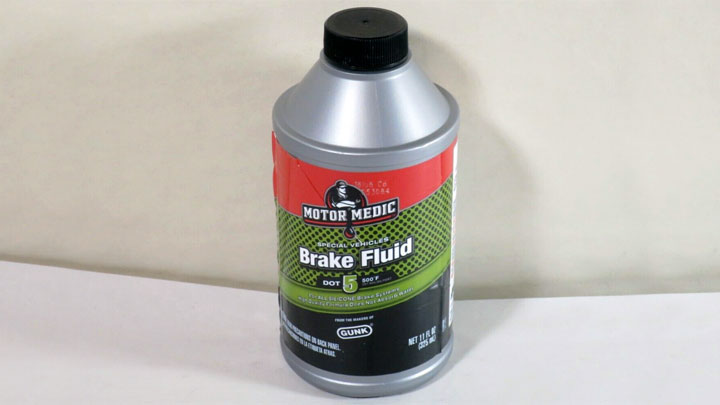
Discover the primary advantages of DOT 5.1 brake fluid, a fluid engineered for excellence. This cutting-edge brake fluid boasts superior thermal stability, a remarkable ability to maintain lower viscosity across a broad temperature range, especially in colder climates. Its compatibility with conventional glycol-ether-based braking systems (like DOT 3 and DOT 4) allows it to elevate brake performance, reducing the risk of brake fade, and enhancing responsiveness for advanced electronic safety systems such as ABS and ESP. For those who demand peak performance in their driving experiences, DOT 5.1 is the ultimate choice.
What sets DOT 5.1 brake fluid apart? At its core, DOT 5.1 features a meticulously designed glycol-ether formulation. This not only optimizes its performance characteristics but also ensures it works seamlessly with standard braking system components. Unlike DOT 5 brake fluid, which relies on a silicone base, DOT 5.1’s glycol-ether foundation aligns it chemically with DOT 3 and DOT 4 fluids. This shared chemistry means it is hygroscopic, absorbing moisture from its surroundings over time, a factor that can impact performance. Thanks to an advanced blend of glycols, DOT 5.1 excels in high-temperature conditions, making it an ideal candidate for demanding applications.
How Do DOT 5.1 Brake Fluid Specifications Compare to Other Standards?
The specifications of DOT 5.1 brake fluid stand out due to higher minimum boiling points and lower viscosity thresholds relative to DOT 3 and DOT 4 fluids. This establishes its position as a leader in performance. Brake fluids are categorized by the Department of Transportation (DOT) based on their dry boiling point (fluid without water) and wet boiling point (fluid containing 3.7% water by volume).
Here’s a comparative table showcasing the key attributes of common brake fluid types:
| Attribute | DOT 3 | DOT 4 | DOT 5 | DOT 5.1 |
|---|---|---|---|---|
| Base Chemistry | Glycol-ether | Glycol-ether | Silicone | Glycol-ether |
| Minimum Dry Boiling Point | 205°C (401°F) | 230°C (446°F) | 260°C (500°F) | 260°C (500°F) |
| Minimum Wet Boiling Point | 140°C (284°F) | 155°C (311°F) | 180°C (356°F) | 180°C (356°F) |
| Viscosity at -40°C | Max 1500 cSt | Max 1800 cSt | Max 900 cSt | Max 900 cSt |
| Hygroscopic Nature | Yes | Yes | No | Yes |
| Compatibility with DOT 3/4 | Yes | Yes | No | Yes |
The elevated boiling points of DOT 5.1 grant it remarkable resistance to brake fade under extreme thermal conditions, delivering a consistent pedal feel. Its lower viscosity, particularly at colder temperatures, enables quicker response times within complex anti-lock braking systems (ABS) and electronic stability programs (ESP). As DOT 5.1 is hygroscopic, it absorbs moisture over time, which ultimately lowers its boiling point and necessitates regular fluid changes for optimal performance. Understanding the hygroscopic nature of brake fluid is essential for maintaining vehicle efficiency and safety.
What are the Key Advantages of Using DOT 5.1 Brake Fluid?
Embracing DOT 5.1 brake fluid brings a host of benefits, including unmatched thermal stability, lower viscosity, and extensive compatibility with various braking systems. Its high dry boiling point rivals that of silicon-based DOT 5 fluid, effectively preventing vapor lock during high-stress braking situations—a necessity for performance vehicles or those operating in challenging environments. Additionally, its low viscosity at cold temperatures guarantees that modern electronic braking systems, such as ABS and traction control, operate with precision and speed. For a deeper understanding, explore choosing the right brake fluid for vehicles with ABS. Furthermore, the glycol-ether base of DOT 5.1 ensures that it can be easily mixed with DOT 3 and DOT 4 fluids, allowing for upgrades or top-offs without needing a complete system flush in many vehicles.
When is DOT 5.1 Brake Fluid the Optimal Choice for a Vehicle?
Choosing DOT 5.1 brake fluid is paramount for vehicles requiring high-performance braking capabilities, particularly those equipped with advanced electronic safety systems or exposed to extreme operating temperatures. Performance cars, sports vehicles, and those used for towing or intensive hauling will find that its high boiling points significantly reduce the risk of brake fade under prolonged thermal stress. Additionally, its low-viscosity characteristics are advantageous for modern ABS, ESP, and other stability control systems, facilitating rapid fluid transfer and precise braking pressure modulation. DOT 5.1 is also an excellent upgrade for vehicles factory-specified for DOT 3 or DOT 4 fluids seeking enhanced braking performance without requiring extensive system modifications.
What are the Potential Drawbacks or Considerations for DOT 5.1 Brake Fluid?
While DOT 5.1 brake fluid offers many advantages, potential drawbacks include its hygroscopic nature, necessitating diligent maintenance, and its higher cost compared to standard glycol-based fluids. Like DOT 3 and DOT 4, DOT 5.1 readily absorbs moisture, diminishing its boiling point over time and leading to internal corrosion within the braking system. As a result, manufacturers often recommend more frequent brake fluid changes for DOT 5.1 to preserve optimal performance and system integrity. Moreover, the innovative formulation of DOT 5.1 typically results in a higher price point than conventional DOT 3 or DOT 4 fluids, impacting overall maintenance expenses. Importantly, DOT 5.1 is incompatible with silicone-based DOT 5 brake fluid and should never be mixed due to potential system damage.
Frequently Asked Questions About DOT 5.1 Brake Fluid
Can I mix DOT 5.1 with DOT 3 or DOT 4 brake fluid?
Yes, DOT 5.1 brake fluid is miscible and compatible with both DOT 3 and DOT 4 brake fluids, sharing a glycol-ether base. Mixing these fluids will not trigger adverse chemical reactions within the braking system, although it may dilute the superior performance properties of DOT 5.1.
How often should DOT 5.1 brake fluid be changed?
The recommended frequency for changing DOT 5.1 brake fluid varies based on the vehicle manufacturer’s guidelines and the driving conditions but generally falls within every one to two years. Due to its hygroscopic nature, DOT 5.1 absorbs moisture over time, compromising its boiling point and potentially leading to corrosion. Regular changes are crucial to maintain optimal braking performance and extend system longevity.
Is DOT 5.1 better than DOT 4 for all cars?
In terms of performance characteristics, DOT 5.1 is superior, offering higher boiling points and lower viscosity compared to DOT 4. However, this does not imply it is necessary for all vehicles. Standard passenger cars driven under typical conditions find that DOT 4 (or even DOT 3 if specified) meets their performance needs adequately. DOT 5.1 presents significant benefits mainly for performance vehicles, heavy-duty applications, or those equipped with advanced ABS/ESP systems that can leverage its enhanced qualities. Expert recommendations suggest DOT 5.1 is particularly beneficial for racing applications and high-performance cars due to its exceptional temperature resilience.