Understanding what are brakes and rotors, how they function, and how to maintain them is essential for every driver. This guide will delve into the intricate world of your vehicle’s stopping power, ensuring you’re informed and safe on the road.
The Unsung Heroes of Automotive Safety
Every time you press the brake pedal, a complex dance of hydraulic pressure and friction brings your multi-ton vehicle to a safe halt. At the heart of this critical operation are your car’s brakes and rotors. But what exactly are they, and how do they work in harmony to ensure your safety?
What Are Brakes? More Than Just a Pedal
When we talk about “brakes” in a car, we refer to a sophisticated system that converts kinetic energy (motion) into thermal energy (heat) through friction, slowing down or stopping the vehicle. This intricate process is facilitated by a hydraulic system that amplifies the driver’s force. Most modern cars feature brakes on all four wheels, predominantly with disc brakes, while some may still use drum brakes on the rear.
The primary components of a modern disc brake system include:
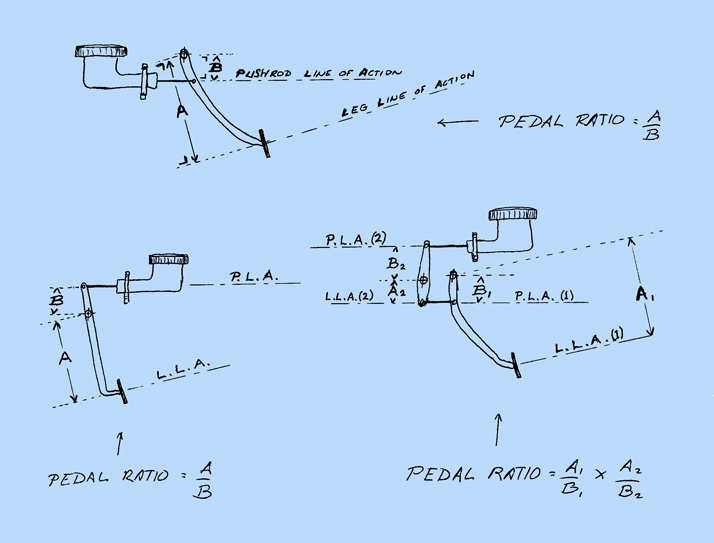
- Brake Pedal: The driver’s initial input, activating the master cylinder.
- Master Cylinder: Converts pedal force into hydraulic pressure.
- Brake Lines: Tubes that transmit hydraulic fluid pressure to the wheels.
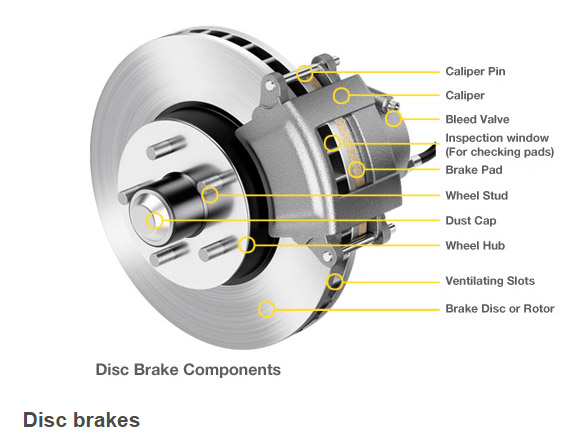
- Brake Calipers: Houses for the brake pads and pistons, pressing the pads against the rotors.
- Brake Pads: Friction materials that create grip against the brake rotors.
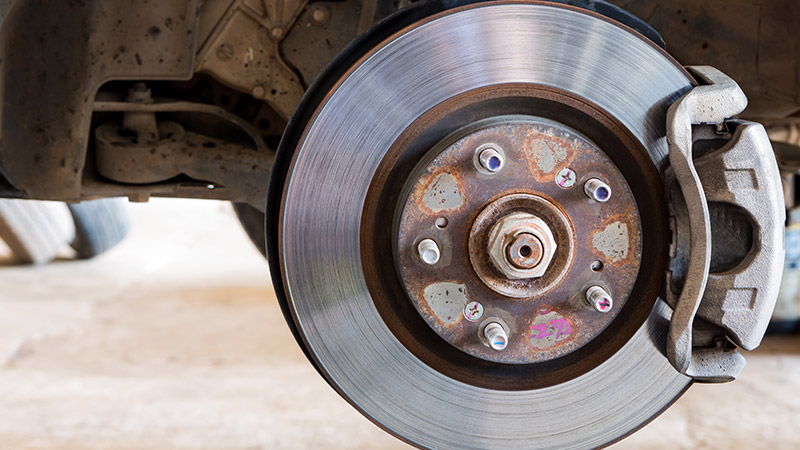
- Brake Rotors (Discs): The spinning components that the pads clamp onto during braking.
- Brake Fluid: The incompressible liquid that transmits force from the master cylinder to the calipers. Regular brake fluid testing is critical for optimal safety. Learn more about advanced brake fluid testing and understand DOT 5.1 brake fluid. Proper interaction of brake fluid with other components is also vital for performance. Understanding how brake fluid reacts with car components is crucial for longevity.
What Are Rotors? The Spinning Foundation of Friction
Known as brake discs, rotors are large metallic disks attached to your wheel hub, spinning alongside the wheel. They serve as the surface against which the brake pads press, generating the friction needed to slow the vehicle down. To fully grasp what are brakes and rotors, it’s crucial to appreciate their interdependent relationship.
Rotors convert kinetic energy into thermal energy (heat) and are typically made from cast iron, esteemed for its heat dissipation and durability. When brake pads clamp down, immense heat is generated, which the rotor must efficiently absorb and dissipate to prevent “brake fade,” which refers to reduced braking power due to excessive heat.
Types of Rotors:
- Solid Rotors: Single discs made of metal, often found on older or smaller vehicles and less effective in dissipating heat.
- Vented Rotors: Common on modern vehicles, featuring a hollow channel between two disc surfaces that enhances air flow for better heat dissipation.
- Drilled Rotors: With holes drilled through, these assist in heat dissipation and weight reduction but can be prone to cracking under extreme conditions if not engineered specially.
- Slotted Rotors: These have grooves machined into the surface, helping to clear debris and maintain consistent friction without the cracking risk associated with drilled rotors.
- Drilled and Slotted Rotors: Combining both designs, these offer enhanced performance and are often used in high-performance applications where superior stopping power is essential.
How Brakes and Rotors Work Together: A Symphony of Stopping Power
The synergy between your brake pads and rotors is the core of your vehicle’s stopping capability. Here’s a simplified breakdown of the process:
- Pedal Press: When you engage the brake pedal, it pushes a piston in the master cylinder.
- Hydraulic Pressure: This piston generates hydraulic fluid pressure through the brake lines.
- Caliper Action: The hydraulic pressure reaches the brake calipers, pushing their pistons outward.
- Pad-to-Rotor Contact: The caliper pistons force the brake pads to grip the spinning rotor.
- Friction and Heat: The friction between the pads and rotor converts the wheel’s kinetic energy into heat, slowing its rotation.
- Vehicle Stops: Consequently, as all four wheels decelerate, the vehicle comes to a complete stop.
This process underscores why maintaining both components in excellent condition is critical. A worn rotor cannot dissipate heat efficiently, and worn pads cannot provide adequate friction.
Common Brake and Rotor Issues: Signs You Need Attention
Attentiveness to your vehicle’s signals can help prevent minor issues from evolving into major safety concerns. Here are some signs to watch for that may indicate your brakes or rotors require attention:
- Squealing or Grinding Noise: A high-pitched squeal often signals worn brake pads, whereas a heavy grinding noise indicates the pads have worn down completely, risking damage to the rotors.
- Vibrations or Shuddering: Often indicative of warped rotors, uneven surfaces can cause the pads to grip inconsistently, leading to vibrations felt through the pedal or steering wheel.
- Pulsating Brake Pedal: A strong indicator of warped rotors, this sensation is similar to vibrations.
- Extended Stopping Distance: If your car takes longer than usual to stop, it could signal worn pads, low brake fluid, or other hydraulic problems, suggesting decreased braking performance.
- Dashboard Warning Light: Many modern cars feature brake warning lights that illuminate when brake fluid is low or pads are excessively worn.
Maintenance and When to Replace: Keeping Your Stopping Power Optimal
Regular inspections and timely replacements of brake components are crucial for vehicle safety. Here’s what you need to know:
- Routine Inspections: Have your brakes evaluated at least once a year or every 12,000 miles (20,000 km), or per manufacturer recommendations.
- Brake Pad Replacement: Pads generally last between 25,000 to 65,000 miles, depending on driving habits and terrain. Replace them when they wear down to about 3-4mm.
- Rotor Replacement/Resurfacing: Rotors can last longer than pads, typically lasting between 30,000 to 80,000 miles. Replacement may be necessary if they are warped, cracked, or worn below minimum thickness. While some rotors can be resurfaced, many modern designs should be replaced due to cost and material considerations.
- Brake Fluid Check: Brake fluid is hygroscopic; it absorbs moisture over time, reducing its boiling point and leading to brake fade. It should be checked regularly and flushed or replaced according to manufacturer guidelines, usually every 2-3 years.
Always consult with a certified mechanic for brake inspections and replacements to ensure proper installation and optimal performance.
Brake System Components Overview
| Component | Function | Common Issues | Replacement Indicator |
|---|---|---|---|
| Brake Pads | Creates friction against the rotor to slow the wheel. | Worn thin, glazed, squealing, grinding. | Wear indicator noise, visible wear (3-4mm remaining). |
| Brake Rotors | Provides a surface for pads to grip, dissipates heat. | Warped, scored, cracked, worn below minimum thickness. | Vibrations, shuddering, visible damage. |
| Brake Calipers | Houses pads and pistons, clamps pads onto rotors. | Sticking, seizing, leaking fluid. | Uneven pad wear, pulling to one side, fluid leaks. |
| Brake Fluid | Transmits hydraulic pressure. | Low level, contaminated (water absorption), old/degraded. | Spongy pedal, extended stopping distance, dark fluid color. |
Conclusion: Prioritizing Your Stopping Power
Your car’s braking system, comprising the critical partnership of brakes and rotors, is an engineering marvel designed for your safety. By understanding what are brakes and rotors, recognizing the signs of wear, and committing to regular maintenance, you empower yourself to make informed decisions about your vehicle’s upkeep. Never compromise on brake safety – it’s the ultimate safeguard on every journey.