Your vehicle’s braking system represents a critical component of your safety. Among the variety of options available, ceramic brake pads stand out for their quiet operation, cleanliness, and impressive longevity. Nonetheless, like all parts, they will eventually wear out. Understanding how can I tell if ceramic brake pads need replacing? is essential for maintaining your vehicle’s safety and performance.
Understanding Ceramic Brake Pads
Ceramic brake pads are crafted from a dense ceramic material blended with copper fibers. This distinctive composition not only ensures quieter braking but also minimizes dust and enhances lifespan compared to semi-metallic pads. Their consistent performance across various temperatures makes them a preferred choice for modern vehicles, particularly luxury models.
Key Signs Your Ceramic Brake Pads Need Replacing
Despite their superior qualities, ceramic brake pads will signal when they’re approaching the end of their service life. Ignoring these cues can lead to diminished stopping power, damage to other brake components like rotors, and ultimately create hazardous driving conditions.
1. Squealing or Squeaking Noises
Ceramic pads are celebrated for their quiet performance, yet a high-pitched squeal during braking often serves as an initial alert for attention. This noise typically originates from built-in wear indicators—metal tabs designed to contact the rotor once the pad material becomes too thin.
2. Grinding Sounds When Braking
If a harsh, metal-on-metal grinding sound follows a squeal, consider it a serious warning. This signifies that the brake pad material has worn thin, exposing the metal backing plate, which then directly contacts the rotor. This could rapidly escalate into rotor damage requiring immediate action.
3. Reduced Braking Performance
Have you observed that your car takes longer to stop or that the brake pedal feels less responsive? A “spongy” or “soft” pedal sensation, coupled with an increased stopping distance, clearly indicates that your brake pads are no longer generating the necessary friction to effectively slow your vehicle.
4. Vibrations or Pulsations in the Brake Pedal/Steering Wheel
Experiencing a shaking or pulsating feeling through the brake pedal or steering wheel indicates uneven pad wear or warped brake rotors. When pads wear unevenly, the rotor surface can become irregular, resulting in this disconcerting vibration.
5. Visual Inspection: Thin Brake Pads
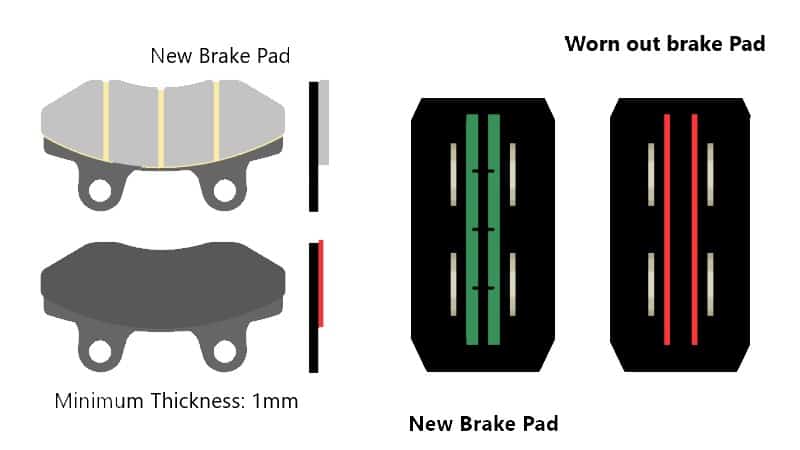
Performing a visual check is one of the simplest ways to determine whether your ceramic brake pads need replacing. New brake pads typically measure between 10 to 15 millimeters (0.39 to 0.59 inches) in thickness. Replacing them is advisable when the pad material drops below 3mm thick, approximately 1/4 inch.
Many pads feature a wear indicator groove in the center; if this groove is nearly gone or not visible, it’s time to consider replacement.
6. Brake Pad Indicator Light
Modern vehicles may come equipped with electronic brake wear sensors. These sensors activate a warning light on your dashboard when the brake pads reach a minimum thickness, serving as a clear alert for required servicing.
Note: A low brake fluid level may also indicate worn brake components, as calipers require more fluid to compensate for thinner pads. It’s always prudent to check your brake fluid. For more on brake fluid testing, read Beyond the Dipstick: Advanced Brake Fluid Testing for Optimal Safety and Beyond the Lines: How Brake Fluid Reacts with Car Components. If you’re considering different brake fluid types, explore The Underdog: Demystifying DOT 5.1 Brake Fluid and Its Advantages.
A Detailed Guide to Inspection
Conducting a visual inspection can greatly assist in assessing the condition of your ceramic brake pads. While professional inspections are always advisable, here’s how you can perform a basic check:
Tools Needed:
- Jack and jack stands
- Lug wrench
- Flashlight
- Ruler or measuring tape (optional for precise thickness)
Inspection Steps:
- Park and Secure: Position your vehicle on a level surface, engage the parking brake, and block the wheels for added safety.
- Loosen Lug Nuts: Slightly loosen the lug nuts on the wheel you plan to inspect first.
- Lift and Secure Vehicle: Utilize the jack to elevate the vehicle and secure it with jack stands. Never work under a vehicle only supported by a jack.
- Remove Wheel: Completely detach the lug nuts and take off the wheel to expose the brake assembly.
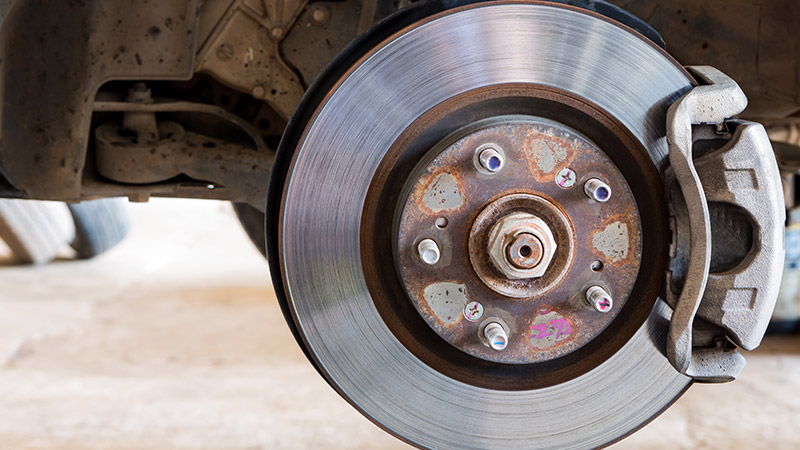
- Visually Inspect Pads: Use a flashlight to examine the brake pads through the caliper assembly. Observe the thickness of the friction material. Look for:
- Pad Thickness: If the pad material is less than 1/4 inch (approximately 3mm), it’s time for a replacement.
- Wear Indicator Groove: Inspect if the central groove on the pad surface is still visible. If it’s nearly gone, the pads are worn.
- Uneven Wear: Check for pads that are significantly thinner on one side than the other, as this could indicate caliper issues.
- Cracks or Damage: Look for any cracks, chips, or unusual damage to the pad material.
- Check Rotors: While the wheel is off, inspect the brake rotors for deep grooves, scoring, or warping (though warping is often identified by vibration).
- Repeat: Conduct the same inspection on all four wheels, as wear can vary.
- Reassemble: Reinstall the wheels, lower the vehicle, and tighten lug nuts to the manufacturer’s specifications.
Lifespan of Ceramic Brake Pads
The lifespan of ceramic brake pads can vary significantly based on driving habits, vehicle type, and road conditions. However, ceramic pads are primarily known for their durability and longevity.
| Factor | Impact on Lifespan |
|---|---|
| Driving Habits | Aggressive driving and frequent hard braking in stop-and-go traffic can diminish lifespan. Conservative highway driving tends to extend it. |
| Vehicle Weight | Heavier vehicles exert more stress on brake pads, causing them to wear faster. |
| Road Conditions | Hilly terrain and frequent stop-and-go city driving wear pads more rapidly than smooth highway driving. |
| Brake System Health | A properly functioning caliper and rotor system facilitates even wear, while issues can accelerate pad deterioration. |
| Quality of Pads | Higher quality ceramic pads typically last longer and deliver superior performance. |
On average, ceramic brake pads can last between 50,000 and 80,000 kilometers (approximately 30,000 to 50,000 miles). Some reports indicate they can extend beyond 60,000 miles, with certain drivers achieving over 100,000 kilometers (60,000+ miles) with careful driving practices.
In comparison to semi-metallic pads, ceramic pads often last 23% longer in stop-and-go traffic, and generally outperform semi-metallic pads in durability by more than 50%.
When to Replace Your Ceramic Brake Pads
As soon as you notice any persistent signs outlined above—especially grinding noises or marked reductions in braking performance—it’s vital to have your brakes inspected and the pads replaced without delay. While wear indicators offer a grace period, postponing replacement could lead to more extensive and costly repairs, including rotor damage, jeopardizing your safety.
Regular inspections, ideally every 10,000-15,000 miles or as suggested by your vehicle’s manufacturer, are the best way to monitor the condition of your brake pads and preemptively address any wear.