Proactive car maintenance is not just a suggestion; it’s a necessity for extending the lifespan of your vehicle, ensuring your safety, and significantly reducing long-term repair costs. Regular upkeep prevents minor issues from escalating into major problems, thereby maintaining optimal performance and fuel efficiency.
This comprehensive guide delves into essential daily checks, routine service schedules, fluid management, and crucial component inspections. We aim to empower every car owner—from novices to seasoned enthusiasts—with actionable insights and data-driven recommendations to keep their vehicles running at peak condition.
What are the Essential Daily Car Checks?
Performing quick checks before or after your drive serves as your first line of defense against potential issues. These simple habits contribute significantly to vehicle safety and longevity.
- Tire Pressure and Condition: Check your tires for proper inflation and any visible damage like bulges or cuts.
- Fluid Levels: Regularly inspect engine oil, coolant, brake fluid, and windshield washer fluid.
- Lights: Make sure all headlights, tail lights, brake lights, and turn signals are functioning properly.
- Wipers: Ensure that windshield wipers clear the glass effectively and are not brittle or torn.
- Dashboard Warning Lights: Pay close attention to any illuminated warning indicators right after starting your car.
What Routine Maintenance Tasks Should I Perform?
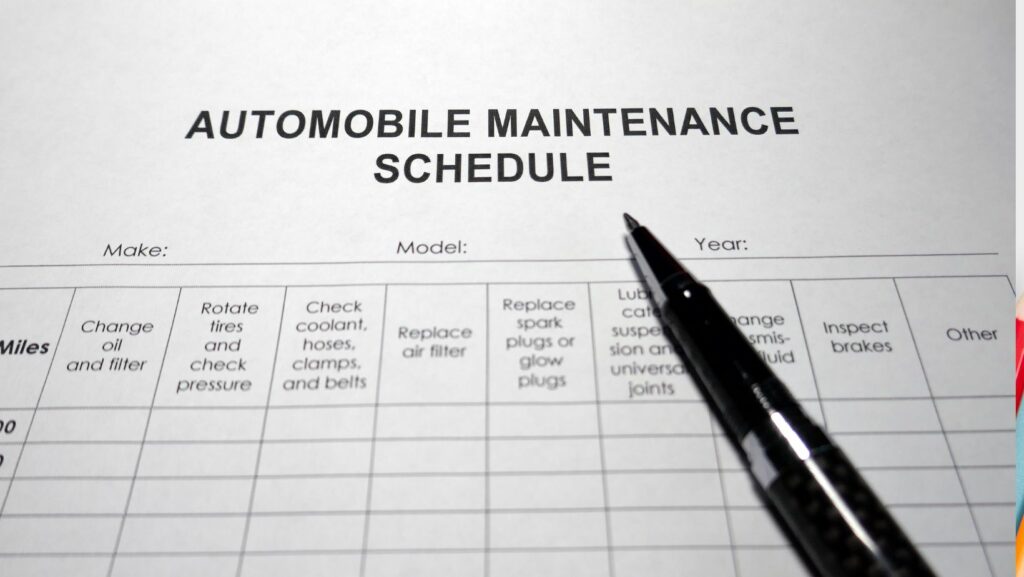
Adhering to a consistent maintenance schedule is paramount to prevent wear and tear. These fundamental tasks form the backbone of a healthy vehicle.
- Oil and Filter Change: This is essential for ensuring engine lubrication and cleanliness.
- Tire Rotation and Balance: This practice promotes even tire wear and extends tire life. Explore top-rated all-season tires for SUVs.
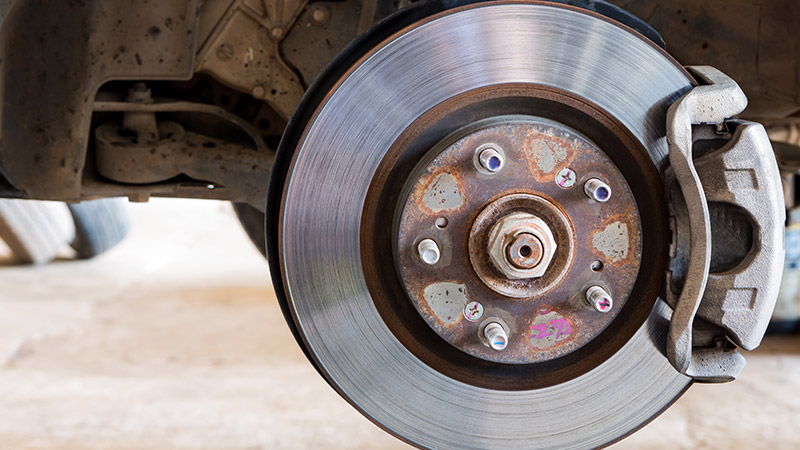
- Brake Inspection: Regular checks of pads, rotors, and fluid levels are crucial for optimal stopping power.
- Fluid Level Checks and Top-offs: Keeping all vital fluids at their proper levels is necessary.
- Air Filter Replacement: This ensures clean air circulation for both your engine and cabin. Discover top aftermarket air filters for performance.
- Battery Health Check: Regular inspection of terminals and testing of charge can save you from surprises.
- Belt and Hose Inspection: Look for cracks, fraying, or leaks that can lead to larger issues.
How Often Should I Change My Car’s Oil?
The interval for oil changes depends on your vehicle’s model, the type of oil used (conventional, synthetic blend, full synthetic), and driving conditions. Always consult your owner’s manual for specific recommendations.
Many modern vehicles recommend changing synthetic oil every 7,500 to 10,000 miles. In contrast, older models or those using conventional oil might require changes every 3,000 to 5,000 miles. Ignoring this can lead to severe engine damage.
When Do My Tires Need Attention?
Your tires are the sole contact with the road, making their maintenance critical for safety and performance. Regular checks are non-negotiable.
In addition to regular rotation, monitor tread depth using a tread depth gauge or the penny test. Most states require a minimum tread depth of 2/32nds of an inch. Be vigilant of uneven wear patterns, as they might signal alignment or suspension issues. For comprehensive tire advice, refer to our guide on all-season tires.
What Should I Know About My Car’s Fluids?
The various fluids in your vehicle are its lifeblood. Maintaining the correct levels and ensuring their quality is crucial for smooth operation and preventing component failure.
- Engine Oil: This fluid lubricates moving parts, reduces friction, and dissipates heat. Check it weekly.
- Coolant/Antifreeze: This prevents engine overheating and freezing. Monthly checks are recommended.
- Brake Fluid: Essential for transferring pressure to the brake calipers, check monthly.
- Transmission Fluid: Lubricates gears and ensures smooth shifts, check bi-annually or as per the manual.
- Power Steering Fluid: This fluid aids steering (if applicable), check bi-annually.
- Windshield Washer Fluid: Regularly keep this topped off to maintain clear visibility.
How Can I Maintain My Car’s Battery and Electrical System?
A healthy battery and electrical system are vital for starting your car and powering its accessories. Regular checks can avert unexpected breakdowns.
- Terminal Cleaning: Remove any corrosion from battery terminals using a wire brush and a solution of baking soda.
- Battery Test: Test your battery annually, particularly before winter, to verify charge and overall health.
- Alternator Check: Ensure that the alternator is charging the battery correctly; a failing alternator can lead to battery drain.
- Wiring Inspection: Look for frayed or damaged wires that may cause electrical shorts or failures.
Why is My Car’s Cooling System Important?
The cooling system regulates engine temperature, preventing overheating that can lead to catastrophic engine damage. Regular maintenance of this system is vital.
- Coolant Level and Condition: Ensure the reservoir is maintained between MIN and MAX lines, with fluid that is bright and free of debris.
- Radiator Inspection: Look for leaks, bent fins, or blockages. Learn how to diagnose and fix radiator leaks.
- Hoses and Clamps: Regularly inspect coolant hoses for cracks, bulges, or softness, and make sure clamps are secure.
- Thermostat Function: A failing thermostat can cause overheating or underheating. Identify signs that your car thermostat is failing.
What Are Key Brake System Maintenance Tips?
Your brakes are the most critical safety feature in your vehicle. Regular inspection and timely replacement of worn components are required.
- Brake Pad and Rotor Wear: Inspect these components at each service interval and listen for any unusual noises like squealing or grinding.
- Brake Fluid Level and Quality: Ensure the fluid is at the correct level and is not dark or contaminated.
- Brake Line Inspection: Check for leaks, cracks, or corrosion in brake lines and hoses.
- Emergency Brake Check: Test your parking brake periodically to ensure it engages firmly.
When Should I Consider Replacing My Car’s Air Filters?
Both engine and cabin air filters are crucial for automotive performance and passenger comfort. Their replacement schedule depends on driving conditions and mileage.
- Engine Air Filter: Typically replaced every 15,000-30,000 miles, or more often in dusty environments. A dirty filter can reduce engine performance and fuel economy. Upgrade for performance with aftermarket air filters.
- Cabin Air Filter: Replace roughly every 15,000-25,000 miles. A dirty filter can restrict airflow, reduce HVAC efficiency, and introduce allergens into the cabin.
How Can I Prevent Common Car Issues and Extend Vehicle Lifespan?
Preventative measures extend beyond routine checks. Smart driving habits and meticulous attention to minor details can make a significant difference.
- Smooth Driving: Avoid aggressive acceleration and hard braking, which can wear components down faster.
- Regular Cleaning: Washing and waxing your vehicle protects paint from corrosion and harmful road salt.
- Address Minor Issues Promptly: Don’t ignore strange noises or warning lights; small problems can escalate quickly. Even minor bumper damage should be addressed.
- Suspension Checks: Note any changes in ride quality; a rough ride may indicate worn shock absorbers. Understand when your shock absorbers need replacing.
- Choose Quality Parts: When replacements are required, opt for OEM or reputable aftermarket parts for reliability. Some brands stand out for their long-term reliability. Compare reliability in long-term ownership between the Toyota Camry and Honda Accord.
What Are the Typical Costs Associated with Car Maintenance?
Maintenance costs can vary widely based on vehicle make, model, age, and regional service rates. Here’s a general overview of common service costs.
| Maintenance Task | Estimated Frequency | Estimated Cost Range (USD) |
|---|---|---|
| Oil & Filter Change (Conventional) | 3,000 – 5,000 miles | $35 – $75 |
| Oil & Filter Change (Synthetic) | 7,500 – 10,000 miles | $70 – $150 |
| Tire Rotation & Balance | 5,000 – 7,500 miles | $20 – $70 |
| Brake Pad Replacement (per axle) | 30,000 – 70,000 miles | $150 – $350 |
| Air Filter Replacement (Engine) | 15,000 – 30,000 miles | $25 – $75 |
| Cabin Air Filter Replacement | 15,000 – 25,000 miles | $30 – $80 |
| Coolant Flush | 30,000 – 60,000 miles | $100 – $200 |
| Spark Plug Replacement | 30,000 – 100,000 miles | $100 – $300 |
These figures are estimates and can fluctuate based on parts, labor rates, and regional differences.
Frequently Asked Questions
How often should I get my car serviced?
Generally, most vehicles require servicing every 6 to 12 months, or every 5,000 to 10,000 miles, based on the manufacturer’s recommendations and your driving habits. Always consult your car’s owner’s manual for specific advice.
What is preventative maintenance?
Preventative maintenance refers to regularly scheduled inspections, repairs, and replacements designed to keep your vehicle operating efficiently while preventing potential issues before they arise. It’s about being proactive rather than reactive.
Can I do car maintenance myself?
Many basic maintenance tasks, such as checking fluid levels, tire pressure, and changing windshield wipers, can be completed by yourself. However, more complex repairs—like brake jobs or extensive engine work—typically require professional tools and expertise.
What are the most expensive car maintenance items?
The most costly maintenance tasks often include timing belt replacements, transmission services, major brake component overhauls (including calipers and master cylinders), suspension repairs (like shocks and struts), and comprehensive engine diagnostics or repairs.