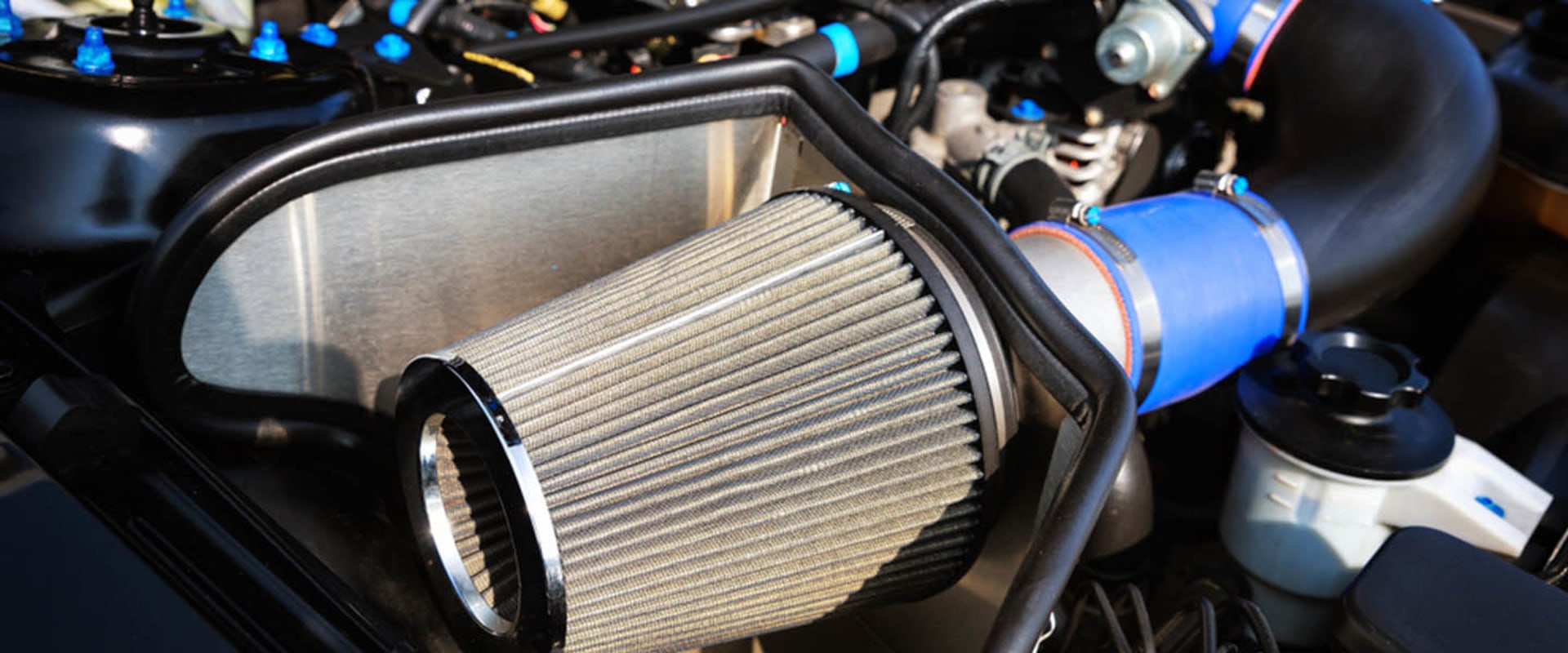
Enhancing your car’s air filter isn’t just a minor upgrade—it’s a powerful move that can drastically elevate your engine’s performance. Aftermarket air filters optimize airflow, promoting more efficient combustion. This simple modification translates into tangible improvements in horsepower, torque, and throttle response, ultimately transforming your driving experience into something exhilarating.
Unlike the restrictive stock paper filters, aftermarket options are engineered with cutting-edge materials and designs to minimize air intake limitations. In this article, we will explore the top aftermarket car air filters, examining their benefits, types, and how they can unlock your engine’s true potential.
What are the Benefits of Aftermarket Air Filters?
Aftermarket air filters provide numerous advantages over standard OEM filters:
- Increased Airflow: Crafted from less restrictive materials, these filters allow a greater volume of air to reach your engine. This surge in airflow means more oxygen for the combustion process.
- Improved Horsepower and Torque: By promoting better combustion, performance air filters can yield significant increases in horsepower and torque. For instance, K&N Cold Air Intakes can deliver gains of 15-25 horsepower.
- Enhanced Throttle Response: Drivers often enjoy quicker, smoother acceleration thanks to improved throttle responsiveness.
- Better Fuel Efficiency: With enhanced combustion efficiency, some aftermarket filters may contribute to a slight increase in fuel economy.
- Reusability and Longevity: Many performance filters, especially oiled cotton gauze and synthetic varieties, are washable and reusable, offering cost savings and reduced waste compared to disposable paper filters.
What Types of Aftermarket Air Filters Are Available?
Aftermarket air filters are generally categorized into different material types, each with specific characteristics:
- Oiled Cotton Gauze Filters: Commonly used in performance upgrades (e.g., K&N, aFe POWER Pro 5R), these filters consist of several layers of cotton gauze treated with oil to trap contaminants while allowing maximum airflow. They are reusable and need periodic cleaning and re-oiling.
- Dry Synthetic Filters: Brands like AEM (Dryflow) and aFe POWER (Pro DRY S) offer synthetic filters that don’t require oil. These filters utilize advanced synthetic materials for excellent filtration and airflow without the maintenance burden of re-oiling, typically lasting between 15,000 to 30,000 miles before replacement.
- Foam Filters: Although less common in on-road applications, foam filters are prevalent in off-road and racing environments. They provide good airflow but may offer less filtration capability compared to cotton or paper filters.
- Paper/Synthetic Blend Filters: Some aftermarket options combine a disposable design with enhanced paper or synthetic materials for improved airflow compared to standard OEM paper filters.
Which Are the Top Aftermarket Air Filter Brands for Performance?
Several reputable brands lead the aftermarket air filter market, delivering proven performance enhancements:
- K&N Filters: A forerunner in reusable air filters, K&N is celebrated for its oiled cotton gauze designs that provide significant airflow improvements and horsepower gains. Their cold air intakes can offer 15-25 horsepower gains alongside up to 50% more airflow compared to stock filters.
- aFe POWER: Advanced Flow Engineering (aFe POWER) provides both oiled (Pro 5R) and dry (Pro DRY S) synthetic filters. Their Pro 5R models can outflow factory filters by up to 63%, enhancing horsepower and torque.
- AEM Induction Systems: Renowned for their Dryflow synthetic filters, AEM offers oil-free filtration with enhancements in horsepower and acceleration, ensuring low restriction and solid engine protection.
- S&B Filters: S&B specializes in cold air intake systems designed to minimize air restriction while maximizing airflow and density, improving engine performance, horsepower, torque, and fuel efficiency. They provide options for both cleanable cotton and dry extendable media.
How Do These Top Aftermarket Air Filters Compare?
Here’s a comparative look at essential features and potential performance metrics from leading aftermarket air filter brands:
| Brand/Filter Type | Material | Key Performance Claim | Maintenance | Approximate Cost (Filter Only) |
|---|---|---|---|---|
| K&N (Oiled Cotton) | Oiled Cotton Gauze | Up to 50% more airflow, 15-25 HP gain (with CAI) | Washable, re-oil every 50,000-100,000 miles | $45 – $80 |
| aFe POWER Pro 5R (Oiled Cotton) | Oiled Cotton Gauze (5 layers) | Up to 63% flow increase over stock | Washable, re-oil regularly | $95 – $115 |
| aFe POWER Pro DRY S (Dry Synthetic) | 3-Layer Synthetic (Dry) | High airflow, oil-free maintenance | Washable, no oil needed | $100 – $130 |
| AEM Dryflow (Dry Synthetic) | Non-woven Synthetic (Dry) | Increased horsepower, improved acceleration | Washable, no oil needed, clean every 50,000-100,000 miles | $40 – $70 |
| S&B Filters (Oiled Cotton/Dry Synthetic) | Oiled Cotton or Dry Synthetic | Reduced restriction, increased airflow (up to 40% with CAI) | Washable, re-oil (cotton) or no oil (dry) | $50 – $90 |
Note: Performance gains and costs can vary significantly based on vehicle make/model and specific product. Figures cited are general estimates and should be verified for your application.
How Do Aftermarket Air Filters Improve Engine Performance?
The principle behind performance air filters is straightforward: engines require air to combust fuel, specifically oxygen. By lowering the restriction of incoming air, aftermarket filters allow the engine to “breathe” easier. This boost in cooler, denser air translates into more oxygen entering the combustion chamber, resulting in more thorough and powerful combustion cycles, which directly correlates to increased horsepower and torque.
Moreover, the decreased restriction enables the engine to respond more swiftly to throttle inputs, leading to improved acceleration. For a deeper insight into this process, refer to our Unleashing Horsepower: The Ultimate Guide to Performance Air Filters.
What is the Installation Process for Aftermarket Air Filters?
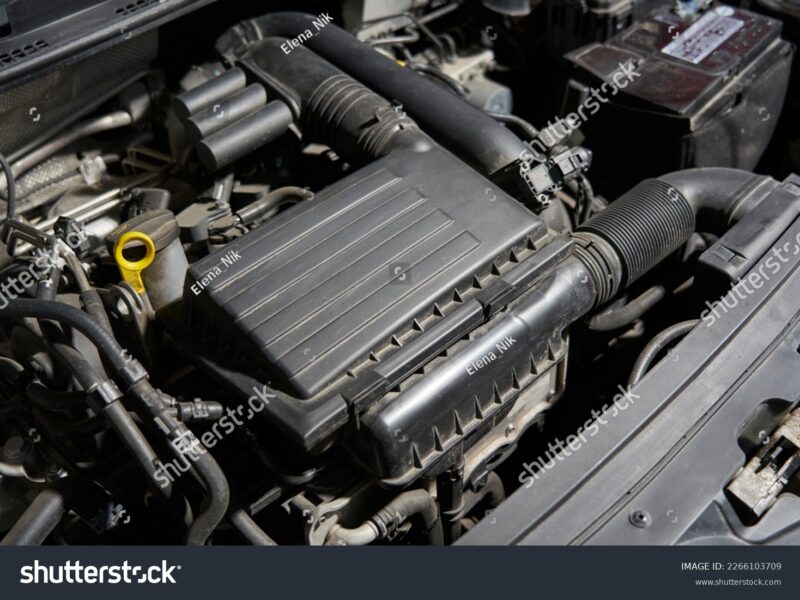
Installing an aftermarket air filter is typically a straightforward task that many car enthusiasts can manage. For drop-in replacement filters, the process usually involves:
- Locating your vehicle’s airbox.
- Opening the airbox clips or fasteners.
- Removing the old, restrictive paper filter.
- Inserting the new aftermarket performance filter.
- Securing the airbox cover.
When installing a full cold air intake system, the process is more complex and typically requires removing the entire stock airbox and intake tubing before installing the new, larger filter and upgraded tubing. K&N cold air intake installations usually take about 90 minutes with basic tools. Always consult the manufacturer’s specific instructions for your vehicle and filter model.
How Often Should Aftermarket Air Filters Be Cleaned or Replaced?
The maintenance schedule for aftermarket air filters varies based on type and driving conditions:
- Oiled Cotton Gauze Filters (e.g., K&N, aFe POWER Pro 5R): Generally reusable, these filters necessitate cleaning and re-oiling. Under typical driving conditions, cleaning intervals range from 25,000 to 50,000 miles, while more frequent cleaning may be required in dusty environments. With proper care, they can last over 100,000 miles.
- Dry Synthetic Filters (e.g., AEM Dryflow, aFe POWER Pro DRY S): Also reusable, these filters do not require oil. Their cleaning intervals can mirror those of oiled filters, often around 25,000 to 50,000 miles, with some brands boasting up to 100,000 miles before cleaning is necessary, depending on conditions.
Regular inspections are crucial. If your filter appears dirty or you notice a drop in engine performance or throttle response, it’s time for maintenance. Cleaning kits for both oiled and dry filter types are readily available.
Frequently Asked Questions (FAQs)
What is the best aftermarket air filter for horsepower?
The “best” filter will vary based on your specific vehicle and performance goals. However, established brands like K&N, aFe POWER, AEM, and S&B consistently produce filters engineered for maximum airflow and horsepower gains. Seek those with high flow rates and documented dyno results for your vehicle.
Do aftermarket air filters void your car’s warranty?
Typically, the installation of an aftermarket air filter alone should not void your vehicle’s warranty. The Magnuson-Moss Warranty Act safeguards consumers, preventing manufacturers from voiding a warranty solely because an aftermarket component was used unless they can prove that the part caused damage. Nonetheless, it’s wise to ensure proper installation and maintenance.
Are aftermarket air filters worth it?
For performance enthusiasts aiming for enhanced throttle response, horsepower, and torque, aftermarket air filters provide a worthwhile and cost-effective upgrade. While the benefits may be less noticeable for daily commuters, the reusability of these filters still offers significant advantages.
How often should I clean an aftermarket air filter?
Oiled cotton gauze filters typically require cleaning every 25,000 to 50,000 miles, with more frequent cleaning advised in dusty conditions. Similar intervals apply to dry synthetic filters, which simply need washing. Always refer to your filter’s manufacturer guidelines for specific care recommendations.