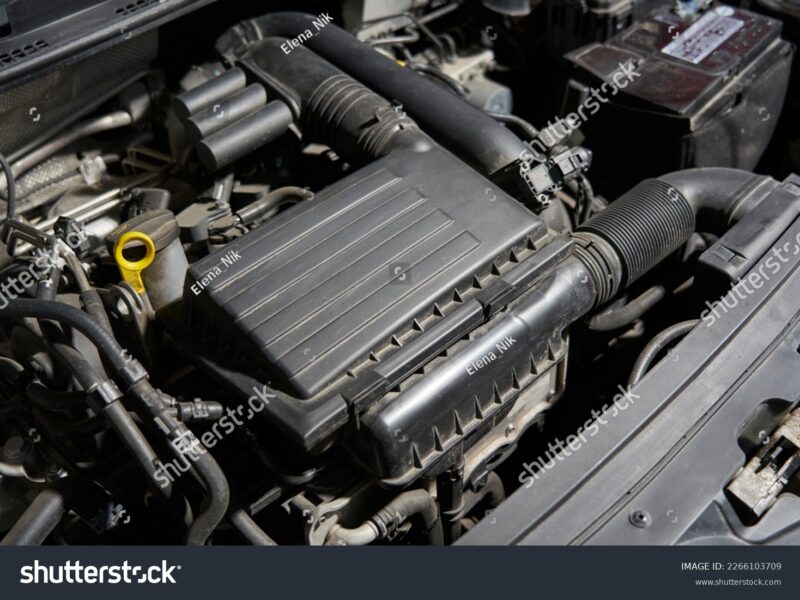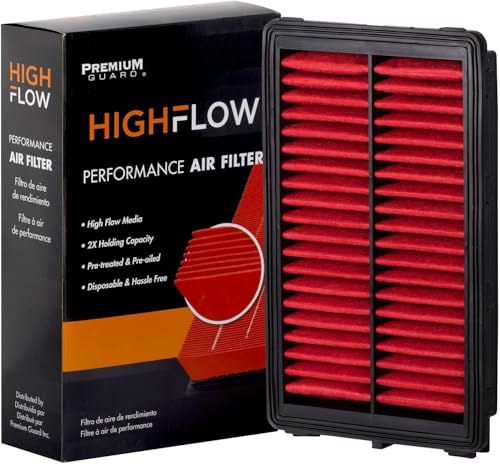
Performance air filters are a popular and relatively cost-effective aftermarket upgrade that can significantly enhance your vehicle’s horsepower, improve throttle response, and deliver a more aggressive engine sound. These advanced filters are engineered to maximize airflow and efficiency, distinguishing themselves from standard filters by utilizing high-tech materials and designs. Prominent brands such as K&N, aFe POWER, and AEM consistently offer products that cater to performance enthusiasts. While individual results can vary based on vehicle specifications, a quality cold air intake system typically adds between 5 to 20 horsepower, making these filters a compelling option for performance upgrades.
What are the Best Performance Air Filters for Increasing Horsepower?
The most effective performance air filters for augmenting horsepower are those from reputable brands like K&N, aFe POWER, and AEM, which provide both drop-in replacements and complete cold air intake systems designed for optimal airflow. These products are recognized for their engineering and dyno-proven results that demonstrate considerable performance benefits.
- K&N High-Flow Air Filters: A pioneer in reusable air filters, K&N’s oiled cotton gauze filters can deliver up to 50% more airflow than standard filters, leading to improved horsepower and quicker throttle response. For instance, a K&N air filter installed on a Subaru Crosstrek showed an increase of 4 horsepower and 5 lb-ft of torque, while some K&N cold air intakes claim gains of up to 11 to 34 horsepower.
- aFe POWER Cold Air Intakes: Advanced Flow Engineering (aFe POWER) specializes in systems designed to maximize airflow and minimize restriction. Their cold air intakes usually provide an average increase of +10 to +25 horsepower and +10 to +30 lb-ft of torque. For example, a 6.7L Power Stroke diesel engine fitted with an aFe cold air intake saw an increase of 21 horsepower and 54 lb-ft of torque.
- AEM Cold Air Intakes & DRYFLOW Filters: AEM air intake systems are engineered to increase horsepower and torque through larger diameter tubing and performance air filters. Their DRYFLOW® synthetic washable air filters are designed for outstanding airflow and can last up to 100,000 miles between services. AEM cold air intakes have demonstrated estimated gains of up to 36 horsepower in specific applications.
- BMC Air Filters: Known for enhancing airflow and engine efficiency, BMC filters are favored by performance enthusiasts for their quality and effectiveness.
How Much Horsepower Can a Performance Air Filter Add?
Performance air filters, especially cold air intake (CAI) systems, typically add between 5 to 20 horsepower, with most applications yielding gains in the range of 8 to 15 horsepower. Drop-in filters generally provide more modest improvements, often between 1-5 horsepower.
The actual horsepower increase can vary significantly depending on the vehicle’s engine type, existing modifications, and the specific design of the air filter system.
| Filter Type / Engine | Typical Horsepower Gain | Notes |
|---|---|---|
| Drop-in Performance Filter | 1-5 HP | More noticeable in older, less efficient intake systems. |
| Cold Air Intake (Naturally Aspirated V8) | 8-15 HP | Consistent gains across the RPM range. |
| Cold Air Intake (Turbocharged Gasoline) | 10-20 HP | Benefits from reduced restriction before the turbo. |
| Cold Air Intake (Turbo Diesel) | 15-25+ HP | Often sees improved torque and lower exhaust gas temperatures. |
| Cold Air Intake (V6/V4 Engines) | 5-12 HP | Gains depend on specific application. |
A test indicated that a high-performance air filter increased horsepower by 2.6% and torque by 3.7%, along with a 2-3% increase in acceleration time.
How Do Performance Air Filters Increase Horsepower?
Performance air filters enhance horsepower by improving the volume and quality of air delivered to the engine’s combustion chamber, facilitating more efficient fuel combustion.
- Reduced Airflow Restriction: Unlike restrictive factory air filters, which prioritize noise control and emissions, performance filters utilize less dense filtration media and optimized designs to allow a greater volume of air to flow with less resistance.
- Cooler, Denser Air: Cold air intake systems are designed to draw air from outside the hot engine bay, usually located near the front bumper or fender. Cooler air is denser and contains more oxygen molecules per cubic foot, enhancing combustion efficiency.
- Improved Combustion Efficiency: More oxygen-rich, cooler air fosters a more complete combustion of the air-fuel mixture, yielding increased power and torque.
- Straighter Airflow Path: Aftermarket intake systems frequently feature larger diameter, smoother tubing that minimizes air turbulence, further optimizing airflow into the engine.
This enhanced airflow and density contribute to improved engine performance and can even enhance throttle response.
What are the Different Types of Performance Air Filters?
The primary types of performance air filters include drop-in replacement filters and complete cold air intake (CAI) systems, each offering unique advantages regarding performance gains, cost, and installation complexity.
-
Drop-in Replacement Filters:
- Description: These filters are designed to directly replace your vehicle’s factory paper air filter within the existing airbox. They typically use materials like oiled cotton gauze or dry synthetic media.
- Pros:
- Cost-Effective: Generally more affordable than complete CAI systems.
- Easy Installation: Can often be installed in 5 minutes or less, requiring no modifications.
- Reusable: Most are washable and reusable, providing long-term value.
- Cons:
- Minimal Gains: Horsepower improvements are often limited (1-5 HP) compared to CAI systems, which may not be readily noticeable in daily driving.
- Retains Factory Airbox Limitations: Still draws air from within the warmer engine bay, limited by the design of the stock airbox.
-
Cold Air Intake (CAI) Systems:
- Description: A complete system that replaces the entire factory airbox and intake tubing with less restrictive piping and a high-flow filter, often relocated to draw cooler air from outside the engine compartment.
- Pros:
- Significant Gains: Provides more substantial horsepower and torque increases (5-20+ HP) by maximizing airflow and supplying cooler, denser air.
- Improved Engine Sound: Often produces an aggressive and satisfying induction sound.
- Enhanced Throttle Response: Many users report noticeable improvements in throttle response.
- Cons:
- Higher Cost: More expensive than drop-in filters.
- More Complex Installation: Requires additional time and tools for installation, although many systems are designed to be bolt-on.
- Potential for Warmer Air (Short Ram Intakes): Some intake designs draw air from within the engine bay, which can be warmer, potentially undermining the “cold air” advantage.
How Do I Choose the Right Performance Air Filter for My Vehicle?
Choosing the right performance air filter involves considering your specific vehicle, performance objectives, and budget to ensure compatibility and satisfaction.
- Vehicle Compatibility: Always verify that the filter or intake system is designed specifically for your vehicle’s make, model, and year. Use manufacturer search tools for fitment confirmation.
- Performance Goals:
- For modest gains, improved sound, and easy installation, a high-flow drop-in filter is recommended.
- To achieve significant horsepower and torque increases alongside a more aggressive engine sound, opt for a complete cold air intake system.
- Filter Media Type:
- Oiled Cotton Gauze (e.g., K&N Pro 5R): High airflow and reusability, but necessitates periodic cleaning and re-oiling. Best suited for street and track use, especially with high-horsepower builds.
- Dry Synthetic (e.g., AEM DRYFLOW, aFe Pro DRY S): Excellent filtration with easier maintenance as no oiling is required. Ideal for daily drivers and light off-road use.
- Heavy-Duty/Multi-Layered (e.g., aFe Pro-GUARD 7, Pro 10R): Designed for extreme conditions, offering superior protection for dusty off-roading or high-boost diesel applications.
- Budget: Drop-in filters typically range from $40-$100, while cold air intakes can cost between $150 and over $500, depending on brand and vehicle specifics.
- Maintenance Preference: Reflect on whether you are willing to clean and re-oil oiled filters or prefer the simpler maintenance of dry filters.
- Read Reviews and Dyno Charts: Look for dyno-tested performance results and real-world reviews specific to your vehicle to gauge expected benefits.
What is the Lifespan and Maintenance for Performance Air Filters?
Performance air filters generally have a lifespan that significantly exceeds that of disposable paper filters, often lasting 50,000 to 100,000 miles or even the lifetime of the vehicle with proper care. However, they do require regular cleaning, and for oiled filters, re-oiling is essential to maintain optimal performance and engine protection.
- Oiled Cotton Gauze Filters (e.g., K&N, aFe Pro 5R):
- Lifespan: Can exceed 100,000 miles with appropriate maintenance.
- Cleaning Interval: Check every 6,000 miles or at each oil change. Clean and re-oil every 12,000 to 50,000 miles under normal conditions. More frequent cleaning (every 3,000-6,000 miles) is advisable in dusty or off-road environments.
- Maintenance: Involves washing with a specialized cleaner, allowing it to dry fully, and carefully re-oiling with filter oil. Over-oiling may contaminate the Mass Air Flow (MAF) sensor.
- Dry Synthetic Filters (e.g., AEM DRYFLOW, aFe Pro DRY S):
- Lifespan: Typically last 15,000 to 30,000 miles before requiring replacement. Some can extend up to 100,000 miles between servicing.
- Cleaning Interval: Inspect every 5,000 miles. They may often be extended by blowing out debris from the inside out using compressed air.
- Maintenance: Do not require oiling. They should never be washed with water or oiled. Replacement is straightforward when necessary.
- Factors Affecting Service Intervals:
- Driving Conditions: Frequent driving on dusty roads, off-roading, or in heavily polluted areas necessitates more regular cleaning or replacement.
- Towing/Tuned Engines: Increased airflow demand in these scenarios may require earlier service intervals.
Regular maintenance is crucial not only to preserve the filter’s performance but also to protect your engine from harmful contaminants.
Are Performance Air Filters Worth It for Horsepower Gains?
Yes, performance air filters represent a worthwhile investment for modest horsepower gains, improved engine sound, and enhanced throttle response, particularly when considering cold air intake systems.
Pros:
- Horsepower and Torque Gains: While these gains may not be vast, performance filters can deliver measurable increases, especially from cold air intakes (5-20+ HP).
- Improved Engine Sound: Many drivers enjoy the deeper, more aggressive induction note that often accompanies performance air filters, particularly CAIs.
- Enhanced Throttle Response: A typical advantage reported is a noticeable improvement in engine responsiveness to accelerator input.
- Reusable and Eco-Friendly: Most performance filters are washable and built to last the vehicle’s lifetime, reducing waste compared to disposable counterparts.
- Potential for Minor Fuel Economy Improvement: Although not the primary benefit, some users report a slight (1-2 MPG or 1-2%) increase in fuel efficiency due to improved engine efficiency, which can be negligible in modern vehicles.
Cons:
- Higher Upfront Cost: Performance filters carry higher prices than standard disposable filters, and cold air intakes represent a more significant investment.
- Maintenance Requirements: Oiled filters need regular cleaning and proper re-oiling, which some owners may find burdensome. Improper maintenance (e.g., over-oiling) can lead to MAF sensor issues.
- Minimal Gains for Drop-in Filters: The increase in horsepower from a drop-in filter alone may not be substantial enough for some drivers to feel justified in the investment.
- Filtration Efficiency Concerns: Although reputable brands strike a solid balance between airflow and filtration, some lower-quality high-flow filters may compromise filtration effectiveness.
For those seeking a simple and affordable way to boost performance and enjoy a more engaging driving experience, a performance air filter—especially a cold air intake—counts as a valuable upgrade. Consider pairing this enhancement with other performance improvements, such as an upgraded exhaust system, for additional performance gains. Furthermore, keeping your engine in optimal condition by regularly checking for signs of faulty spark plugs ensures that all components work harmoniously for maximum power.
Frequently Asked Questions (FAQ)
Do performance air filters void my car’s warranty?
No, installing an aftermarket performance air filter generally will not automatically void your car’s warranty. Under the Magnuson-Moss Warranty Act in the United States, manufacturers must prove that the aftermarket part directly caused any damage to deny a warranty claim. However, if improper installation or maintenance (e.g., over-oiling a filter causing MAF sensor issues) leads to a problem, that specific damage may not be covered.
Can a performance air filter improve fuel economy?
Yes, a performance air filter can potentially improve fuel economy, though the gains are typically marginal (often 1-2% or 1-2 MPG). By allowing the engine to breathe more efficiently and improving the air-to-fuel ratio, the engine may operate more effectively. Nonetheless, this benefit can easily be negated by more aggressive driving due to increased throttle response.
Are all performance air filters oiled?
No, not all performance air filters are oiled. While many popular performance filters, such as those from K&N and aFe’s Pro 5R, use oiled cotton gauze media, there are also excellent dry synthetic filters available (e.g., AEM DRYFLOW, aFe Pro DRY S) that do not require oiling for maintenance.
How often should I clean my performance air filter?
The cleaning interval for performance air filters depends on the type of filter and driving conditions. Oiled cotton filters typically require cleaning every 12,000 to 50,000 miles under normal use. Dry synthetic filters can extend service intervals by blowing out debris from the inside with compressed air every 5,000 miles, with replacement needed every 15,000 to 30,000 miles. Frequent inspections should be more common in dusty or harsh conditions.
What is the difference between a cold air intake and a short ram intake?
A cold air intake (CAI) usually positions the air filter outside the engine bay (e.g., in a wheel well or near the bumper) to draw in cooler, denser ambient air, resulting in greater horsepower gains. Conversely, a short ram intake situates the filter within the engine compartment, drawing in warmer air, which may yield less significant performance benefits than a true CAI but can still enhance airflow over a stock filter.