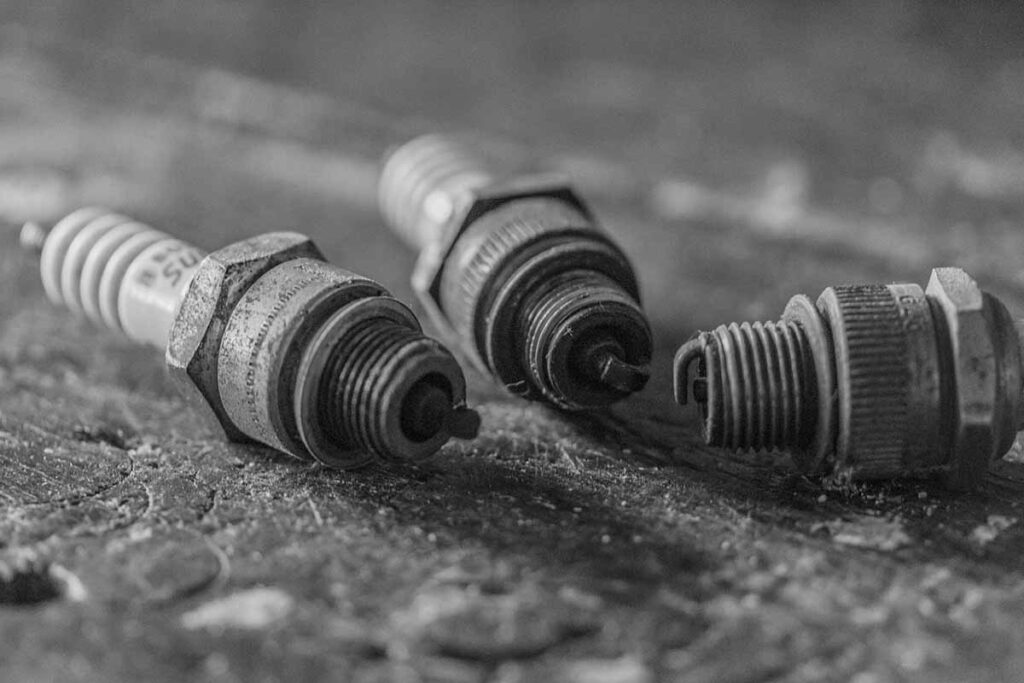
Spark plugs might be small components in your car’s ignition system, but their role is monumental. They ignite the air-fuel mixture in your engine’s cylinders, and when they start to fail, they can significantly impact your vehicle’s performance, fuel efficiency, and even engine longevity. Detecting bad spark plugs early can prevent costly repairs down the line. In this guide, we’ll explore the top five symptoms of failing spark plugs, their common causes, a thorough approach to diagnosing faulty spark plugs, and a straightforward replacement guide.
5 Bad Spark Plug Symptoms to Watch For
Spotting failing spark plugs often begins with noticing changes in your vehicle’s performance. Here are the top five indicators that should raise alarms:
1. Engine Misfires or Rough Idling
One of the telltale signs of bad spark plugs is an engine that misfires or idles roughly. Your engine may shake, vibrate excessively, or hesitate, particularly at idle or during light acceleration. This misfire typically happens when a cylinder fails to ignite properly or fires erratically, causing a distinct shake or shudder. Listen for rhythmic hesitations or a persistent “thump-thump” sound at idle; it often points directly to a misfire.
2. Poor Fuel Economy
Have you noticed your frequent visits to the gas station? A sudden drop in your car’s fuel efficiency can often trace back to failing spark plugs. When these components are worn or fouled, they can’t efficiently burn the fuel, causing the engine to compensate with more fuel usage to maintain power. This inefficient combustion drastically reduces your miles per gallon (MPG).
3. Difficulty Starting Your Car
If you find yourself cranking the engine longer than usual, or if it struggles to turn over, bad spark plugs could be at fault. Diminished spark output from old or worn plugs complicates initial combustion. While a dead battery is a common cause for startup issues, aged spark plugs are another key contender.
4. Sluggish Acceleration or Loss of Power
Your vehicle should respond swiftly when you press the accelerator. If it’s sluggish or struggles to gain speed, especially during uphill climbs or lane changes, worn spark plugs might be the reason. Faulty spark plugs cannot deliver the necessary power stroke to the piston, leading to noticeable dips in engine output and performance.
5. Check Engine Light Illumination
Most modern vehicles come equipped with advanced onboard diagnostics. If the “Check Engine” light blinks on your dashboard, it often signifies that the system has discovered an issue—perhaps engine misfires stemming from bad spark plugs. Using a diagnostic scan tool can provide specific codes (like P0301 for a cylinder 1 misfire) essential for diagnosing faulty spark plugs.
Common Causes of Bad Spark Plugs
Understanding why spark plugs fail is crucial for effective maintenance. Here are several common culprits:
- Normal Wear and Tear: Spark plugs aren’t designed to last indefinitely. Typically, they last between 30,000 and 100,000 miles, depending on the type (copper, platinum, iridium) and manufacturer guidelines. Over time, constant electrical discharges wear down the electrode materials, widening the gap and diminishing the spark.
- Carbon Buildup (Fouling): Notice black, dry soot on the electrode? This can point to carbon fouling, often resulting from a rich air-fuel mixture or excessive idling. Such deposits prevent the spark from igniting effectively.
- Oil Fouling: If you see oily black deposits, this could indicate oil is leaking into the combustion chamber. Issues with piston rings, valve seals, or guides can allow oil to coat the plug, hampering ignition.
- Fuel Fouling: A spark plug that appears wet with gasoline suggests that it’s unable to ignite a rich air-fuel mixture properly—often due to fuel system malfunctions.
- Overheating: If you notice blistered or melted electrodes, your spark plugs are likely overheating. Causes include an incorrect spark plug heat range or advanced ignition timing.
- Incorrect Gap: The precise gap between electrodes is vital for optimum performance. If it widens due to wear, spark quality suffers, leading to misfires.
- Improper Installation: Using the wrong type of spark plug or an incorrect installation can lead to premature failures.
Faulty Spark Plug Diagnosis: Pinpointing the Problem
Effectively diagnosing bad spark plugs can streamline repairs and save costs. Here’s how to tackle a faulty spark plug diagnosis:
- Visual Inspection: Start by removing each spark plug one at a time, avoiding any mix-ups. Carefully examine each plug’s electrode and insulator for telltale signs:
- Normal: A tan or grayish-brown hue signifies healthy combustion.
- Carbon Fouled: Black, dry deposits indicate fouling.
- Oil Fouled: Oily, wet deposits suggest oil contamination.
- Overheated: White, blistered, or melted materials are signs of overheating.
- Ash Deposits: Light brown or white, fluffy residues often originate from fuel or oil additives.
- Resistance Testing (Wires/Coils): If your vehicle uses wires, check their resistance with a multimeter. For coil-on-plug systems, testing ignition coils may require specialized knowledge.
- Listen to Your Engine: Stay alert to any unusual sounds like knocking or pinging that might indicate misfires.
- Use an OBD-II Scanner: If the check engine light is on, using a scanner to retrieve diagnostic trouble codes (DTCs) can quickly identify misfires, helping you locate the problematic cylinder.
While some checks are user-friendly, persistent issues warrant a professional mechanic’s insights to avert potential engine damage.
Spark Plug Replacement Guide: A DIYer’s Basic Steps
Replacing spark plugs can be a fulfilling DIY project. Always consult your vehicle’s service manual for specific guidelines, torque specs, and the correct spark plug specifications.
Tools You’ll Need:
- New spark plugs (check compatibility with your vehicle)
- Spark plug socket (with rubber insert to grip the plug)
- Ratchet and extension
- Torque wrench (for precise tightening)
- Spark plug gap tool (if needed)
- Dielectric grease (optional)
- Anti-seize compound (optional)
- Compressed air or vacuum (to clean around plugs)
Step-by-Step Replacement:
- Safety First: Let the engine cool completely before starting. Disconnect the negative battery terminal to prevent electrical mishaps.
- Locate Spark Plugs: Typically situated on the engine’s cylinder head, sometimes beneath ignition coils or wires. Some vehicles may necessitate removing a cover for access.
- Remove Ignition Wires/Coils: Tackle one cylinder at a time. For wires, twist the boot and pull straight off (never pull the wire itself). For coil-on-plug systems, unclip the electrical connector and carefully pull out the coil pack.
- Clean Around Plugs: Use compressed air or a vacuum to clear any debris from the spark plug wells, preventing contaminants from entering the combustion chamber.
- Remove Old Plugs: Using the correct size spark plug socket, carefully loosen each plug by turning counter-clockwise. Once loose, you can remove them by hand.
- Inspect Old Plugs: Review the condition of the removed plugs. Their state can reveal insights about your engine’s health (refer to common causes).
- Gap New Plugs (if necessary): Most modern spark plugs arrive pre-gapped, but always verify the gaps against your vehicle’s specifications using a gap tool.
- Apply Anti-Seize (Optional): A light coat of anti-seize compound on new spark plug threads can ease future removals.
- Install New Plugs: Thread the new plugs into the cylinder by hand to prevent cross-threading. Once snug, utilize a torque wrench to tighten them to the manufacturer’s specified torque.
- Reinstall Coils/Wires: Apply dielectric grease inside ignition coil boots for better sealing. Connect ignition coils or spark plug wires securely and in the correct order.
- Reconnect Battery: Reconnect the negative battery terminal.
- Test Drive: Start your engine and listen for smooth operation. A short drive can confirm improved performance and ensure no warning lights appear.
Conclusion
Maintaining healthy spark plugs is essential for your vehicle’s performance and efficiency. By recognizing the symptoms of bad spark plugs and becoming adept at diagnosing faulty spark plugs, you empower yourself to address issues proactively. Whether you take on replacement as a DIY project or seek professional assistance, keeping these small yet crucial components in check can ensure your vehicle continues to perform smoothly for miles ahead. Remember, consistent vehicle maintenance is a holistic pursuit, just as the effectiveness of your brakes and rotors impacts safety and how the right auto insurance endorsements can safeguard you on the road.