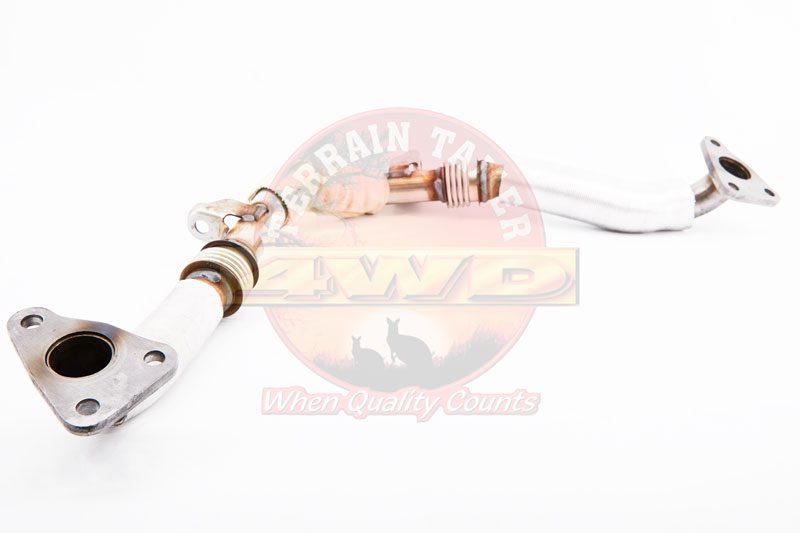
Effective exhaust system component care is paramount for ensuring your vehicle’s optimal performance, reducing harmful emissions, and extending its overall lifespan. This comprehensive guide provides essential maintenance strategies for critical exhaust system components, including manifolds, flex pipes, and crossover pipes, focusing on routine inspection, preventative measures, and timely intervention to address common issues for lasting vehicle health and compliance with emissions standards.
What are the core components of a vehicle’s exhaust system?
The core components of a vehicle’s exhaust system, crucial for channeling gases and optimizing engine function, include exhaust manifolds, flex pipes, and crossover pipes, each serving a distinct purpose in the overall system flow.
- Exhaust Manifolds: These components are the initial collection point for exhaust gases directly from the engine’s cylinders, funnelling them into a single outlet. Typically constructed from robust cast iron or stainless steel, manifolds are engineered to endure extreme temperatures often exceeding 1000°F (538°C) and significant pressure variations.
- Flex Pipes: Positioned strategically in the exhaust stream, often after the manifolds, flex pipes are flexible connectors designed to absorb the constant vibrations and movements between the engine and the more rigid downstream exhaust sections, preventing stress-induced cracks in other components. They commonly feature a braided stainless steel mesh construction, offering both durability and essential elasticity.
- Crossover Pipes (H-pipes or X-pipes): Exclusively found in vehicles with dual exhaust systems, crossover pipes serve to connect the exhaust streams from opposing engine banks. This connection equalizes exhaust pulses, significantly improving exhaust scavenging—the efficient clearing of spent gases from the cylinders—and often results in enhanced engine sound characteristics and a modest increase in horsepower (e.g., 5-10 HP depending on engine design).
Why is exhaust system component care crucial for your vehicle?
Regular and meticulous exhaust system component care is crucial for your vehicle as it provides a multitude of benefits, encompassing improved operational efficiency, reduced environmental impact, enhanced safety, and substantial cost savings.
| Benefit Category | Specific Impact of Proper Exhaust System Care | Quantitative/Qualitative Metric |
|---|---|---|
| Component Lifespan & Durability | Prevents premature wear, rust, and corrosion across all components, including catalytic converters and mufflers. | Increases component life by an estimated 25-50% (e.g., original equipment lasts 5-7 years, with care, can exceed 10 years). |
| Engine Performance | Ensures efficient exhaust gas evacuation, minimizing backpressure and optimizing engine output. | Can restore 3-8% of lost horsepower and torque due to restriction; maintains factory-specified engine performance metrics. |
| Fuel Efficiency | A free-flowing exhaust allows the engine to operate more efficiently, requiring less effort to expel gases. | Improves fuel economy by 1-3 MPG on average, reducing annual fuel costs by approximately 5-10%. |
| Emissions Reduction | Supports the proper function of catalytic converters and oxygen sensors, ensuring compliance with environmental regulations. | Contributes to a 10-20% reduction in harmful emissions (e.g., CO, NOx, hydrocarbons) compared to a leaking system; ensures passing emissions testing. |
| Driving Comfort & Safety | Minimizes excessive noise, prevents exhaust fumes from entering the cabin, and reduces vibrations. | Decreases interior cabin noise by 5-15 dB; eliminates risk of carbon monoxide exposure from leaks. |
| Repair Cost Avoidance | Proactive maintenance identifies small issues before they become expensive major repairs. | Reduces potential repair costs by up to 30-50% (e.g., gasket replacement vs. manifold replacement). |
What are common exhaust system issues and their warning signs?
Common exhaust system issues typically involve leaks, cracks, and structural degradation in manifolds, flex pipes, and crossover pipes, which can be identified by specific audible and olfactory warning signs that indicate a need for prompt inspection and repair.
| Component | Common Issues | Warning Signs | Potential Repair Cost Range (USD) |
|---|---|---|---|
| Exhaust Manifold | Cracks due to thermal stress, warped flanges causing poor seal, gasket leaks (often due to heat cycling or age). | Distinct ticking or tapping noise (especially on cold start, may lessen as engine warms), persistent exhaust smell in cabin, noticeable reduction in engine performance (e.g., 5-10% power loss), illuminated check engine light (often P0420/P0430 codes related to catalytic converter efficiency or oxygen sensor issues). | $200 – $1000+ (gasket replacement to full manifold replacement) |
| Flex Pipe | Fatigue cracks, tears in the braided mesh, internal collapse (less common), severe corrosion leading to perforations. | Loud hissing or roaring noise (significantly louder with acceleration), strong exhaust smell permeating the cabin, noticeable vibrations transmitted through the floorboard or steering wheel, visual fraying or holes in the mesh. | $150 – $500 (component replacement) |
| Crossover Pipe | Rust perforation, extensive corrosion (especially in areas exposed to road salt), cracks at welds, loose or damaged connections/clamps. | Rattling or clunking noises from underneath the vehicle (indicating loose components), excessive exhaust noise (if a leak develops), audible exhaust leaks, visible rust or holes during inspection, decreased exhaust flow balance. | $100 – $400 (repair/replacement, depending on damage) |
What is a detailed guide for exhaust system component care?
A detailed guide for exhaust system component care encompasses specific inspection techniques and maintenance actions tailored to each primary component: the exhaust manifold, flex pipe, and crossover pipe, emphasizing both visual checks and preventative measures.
How do you properly care for your exhaust manifold?
Proper care for your exhaust manifold primarily involves regular visual inspection for structural integrity and early detection of leaks, given its exposure to extreme thermal cycles and corrosive exhaust gases.
- Regular Inspection Protocol: Routinely check the manifold for any visible cracks, particularly in areas near the cylinder head ports and along flanges. Black soot marks on or around the manifold are a strong indicator of an exhaust leak and warrant immediate attention.
- Gasket Integrity Verification: Exhaust manifold gaskets are prone to failure, which manifests as exhaust leaks. A common symptom is a ticking or tapping sound that is most prominent when the engine is cold and tends to diminish as the engine reaches operating temperature. If such sounds are detected, a professional inspection by a certified mechanic is highly recommended to diagnose and replace the faulty gasket, preventing further damage to the manifold or engine components.
- Fastener Tightness Check: The bolts that secure the manifold to the engine block can gradually loosen over time due to the constant heating and cooling cycles. Periodically, (e.g., during routine oil changes or tire rotations) a visual check for loose bolts is advisable. However, exercising caution is paramount; overtightening these fasteners can lead to irreparable cracks in the manifold or damage to the engine block threads. Torque specifications should always be followed if attempting to tighten.
What does flex pipe maintenance involve?
Flex pipe maintenance primarily involves vigilant visual and auditory inspections for signs of wear, tearing, or degradation, as these components are designed to absorb vibrations and are common failure points in the exhaust system.
- Visual Integrity Check: Regularly examine the flex pipe for any indications of fraying in the braided mesh, visible tears, or significant corrosion. While a slight discoloration from heat is normal, any holes, severe degradation of the mesh, or noticeable thinning of the metal requires prompt professional assessment.
- Acoustic Leak Detection: Listen carefully for changes in your vehicle’s exhaust note. A loud, raspy, or hissing sound, particularly pronounced during acceleration, is a very common indicator of a flex pipe leak. This sound occurs because exhaust gases are escaping before the muffler or resonator.
- Physical Movement Assessment: With the vehicle safely off and the exhaust system completely cool, gently attempt to move the exhaust pipes. If the flex pipe exhibits excessive looseness or noticeable play, it suggests internal damage or mesh deterioration, compromising its ability to absorb vibrations effectively.
- Preventative Driving Habits: While direct “maintenance” beyond inspection is limited, adopting careful driving habits can significantly extend the life of flex pipes. Avoiding aggressive driving over speed bumps, potholes, or uneven terrain minimizes undue stress and sharp impacts on the flex pipe, reducing the likelihood of premature failure.
How should crossover pipes be cleaned and maintained?
Crossover pipes, typically robust, require maintenance focused on corrosion inspection and external cleaning to prevent rust, especially in regions prone to road salt, to ensure their structural integrity and continued function in balancing exhaust pulses.
- Corrosion Inspection Protocol: Conduct thorough visual inspections of the entire length of the crossover pipe, specifically looking for any signs of rust formation, pitting, or potential holes. Pay close attention to weld points and connection areas, as these are often susceptible to initial corrosion due to stress or dissimilar metals.
- Crossover Pipe Cleaning for Rust Prevention: While internal cleaning for exhaust flow isn’t a routine maintenance task, external cleaning is crucial for preventing corrosion. During regular vehicle washes, especially after driving on salted roads or through muddy conditions, ensure you rinse the undercarriage thoroughly to remove accumulated road salt, dirt, and grime from all exhaust components, including the crossover pipe. For instances of light surface rust, gentle use of a wire brush can effectively remove the oxidation. Following rust removal, applying a high-temperature exhaust paint or a dedicated rust preventative coating (ensuring the exhaust system is completely cool and clean prior to application) can significantly extend the component’s lifespan and cosmetic appearance.
- Connection and Hanger Integrity Check: Regularly verify that all clamps, bolts, and hangers securing the crossover pipe are tight and free from excessive rust or damage. Loose connections or worn hangers can lead to undesirable rattling noises, accelerate wear on connection points, and potentially cause alignment issues within the exhaust system.
Should exhaust system maintenance be performed DIY or professionally?
Many basic aspects of exhaust system component care, such as visual inspections for rust or obvious damage, can be performed by a DIY enthusiast. However, complex repairs, welding, or accurate leak diagnosis typically require the specialized tools, expertise, and safety protocols of a certified professional mechanic.
What are effective tips for extending your exhaust system’s lifespan?
Beyond component-specific care, several general automotive preventative maintenance tips can significantly extend the overall lifespan of your entire exhaust system, reducing the need for premature repairs and replacements.
- Consistent Underbody Washing: Regularly wash your vehicle’s undercarriage, particularly during winter months or after driving on heavily salted roads. Road salt is highly corrosive and a primary contributor to rust formation on exhaust components and other underbody parts.
- Minimize Short Trips: Avoid frequent short drives where the engine and exhaust system do not reach their full operating temperature. Short trips prevent condensation (a byproduct of combustion) inside the exhaust pipes from fully evaporating, leading to internal corrosion over time. Aim for longer drives at least once a week to ensure the system heats up sufficiently.
- Promptly Address Minor Issues: Do not ignore minor leaks, rattles, or unusual exhaust smells. Small issues, such as a failing gasket or a developing rust spot, can quickly escalate into major and far more expensive problems if left unaddressed. Early detection and repair are key to automotive maintenance guide principles.
- Invest in Quality Replacement Parts: When exhaust components inevitably require replacement, prioritize high-quality, reputable aftermarket or OEM (Original Equipment Manufacturer) parts. While cheaper alternatives exist, they often lack the durability and corrosion resistance of quality components, leading to a shorter lifespan and more frequent replacement cycles.
- Regular Mechanic Check-ups: Include exhaust system checks in your routine vehicle service appointments. Professional mechanics can identify subtle issues using specialized diagnostic tools and their experience, often before they become noticeable problems for the driver.
Conclusion
Your vehicle’s exhaust system is an indispensable network vital for its performance, environmental compliance, and your driving comfort. By embracing diligent exhaust system component care, including proactive inspection, targeted maintenance for manifolds, flex pipes, and effective crossover pipe cleaning and rust prevention, you actively contribute to a quieter, more efficient, and cleaner-running vehicle. Prioritizing this essential aspect of automotive preventative maintenance will not only safeguard against costly repairs but also ensure a longer, healthier life for your vehicle.
Related Resources for Comprehensive Vehicle Care
While maintaining your exhaust system is vital, a holistic approach to car care ensures optimal safety and performance. Consider these related articles to broaden your automotive knowledge:
- Brakes and Rotors Explained: A Comprehensive Guide to Your Car’s Stopping System
- Brakes and Rotors Explained: A Comprehensive Guide to Your Car’s Stopping System (Alternate Link)
- Signs Your Ceramic Brake Pads Need Replacing: A Detailed Guide to Inspection and Lifespan
- Beyond the Basics: Understanding Common Auto Insurance Endorsements and Riders
- Beyond the Savings: Addressing Data Security Concerns in Usage-Based Car Insurance
- North of the Border, South of the Border: Car Insurance for US-Canada Commuters
- Renting Out Your Car? Demystifying Insurance for Peer-to-Peer Car Sharing
- Road Trip Ready: Essential Car Insurance for RVs, Campers, and Motorhomes
- Beyond the Dipstick: Advanced Brake Fluid Testing for Optimal Safety
- The Underdog: Demystifying DOT 5.1 Brake Fluid and Its Advantages
Disclaimer: This article provides general information and should not be considered professional automotive advice. Always consult with a qualified mechanic for specific diagnosis and repair of your vehicle.