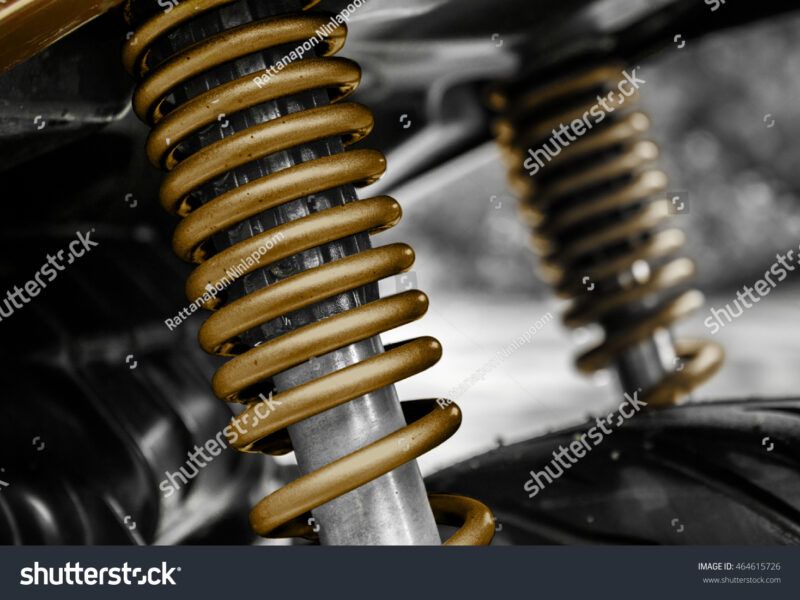
Your car’s shock absorbers play an essential role in providing a smooth, controlled, and safe driving experience. They actively dampen suspension movement, ensuring that your tires remain firmly connected to the road. However, neglecting the signs of worn shock absorbers can lead to compromised handling, longer braking distances, and accelerated wear on other critical vehicle components.
For drivers, recognizing the symptoms of failing shock absorbers is crucial not only for comfort but also for safety. A rough, bouncy ride is often the first sign, indicating that your shock absorbers are due for replacement. Addressing these issues promptly can save you from more severe and costly repairs in the future.
What are the primary signs of worn shock absorbers?
Identifying worn shock absorbers involves keen observation and some simple checks. Pay attention to how your vehicle feels while navigating different road conditions. Here are the key indicators:
Does your car bounce excessively after bumps?
A persistent bouncing sensation after hitting bumps or potholes is a classic sign of worn shock absorbers. If your vehicle continues to rock more than once or twice after going over an uneven surface, it’s likely that your shocks are failing.
You can perform a quick “bounce test.” Press down firmly on each corner of your parked vehicle and release. If the car bounces more than twice before settling, the shock at that corner may need replacement.
Is there visible fluid leakage from the shocks?
Shock absorbers are hydraulic devices filled with fluid, so visible leaks are a clear sign of wear. If you notice fluid seeping from the shock body, it signals a broken seal that compromises their ability to dampen movement effectively. Look for oily spots on the shock absorber or on the pavement beneath it.
Even the presence of dried dirt clinging to the shock body can indicate past fluid leakage.
Are your tires wearing unevenly or cupping?
Worn shock absorbers can interfere with consistent tire contact with the road, leading to uneven wear patterns on your tires, often referred to as “cupping” or “scalloping.” This type of uneven tire wear not only shortens tire life but can also negatively impact traction.
For more insights into maintaining tire health, check out our guide on Choosing the Right Car Battery Size, as tire maintenance is intrinsically linked to suspension health.
Do you experience nose-diving or squatting during braking/acceleration?
Properly functioning shocks help control weight transfer during braking and acceleration. If your vehicle’s front end dives excessively (“nose-dives”) when braking or squats significantly during acceleration, your shock absorbers may no longer be stabilizing your vehicle effectively.
This instability can increase your braking distance and compromise overall safety.
Is your steering loose or unresponsive?
Worn shocks can create a sensation of loose or unresponsive steering, making it challenging to maintain a straight path or control the vehicle, especially during turns or in crosswinds. If your vehicle feels like it’s wandering or swaying, this decreased control raises serious safety concerns.
For additional insight into steering components that affect vehicle control, refer to our article on Failing Brake Master Cylinder Signs.
Do you hear unusual knocking or clunking noises?
Audible sounds, such as knocking or clunking—particularly when you drive over bumps—can indicate worn shock absorbers or damaged mounting components. These noises often arise from metal-to-metal contact when the shock bottoms out.
If you hear these sounds, it’s crucial to have your vehicle inspected by a qualified technician without delay.
How can worn shock absorbers impact vehicle safety and performance?
Driving on worn shock absorbers can lead to issues that go beyond discomfort; they pose serious risks to vehicle safety and performance.
- Increased Braking Distance: Worn shocks diminish tire-to-road contact, significantly extending stopping distances, especially during emergencies or on wet surfaces. Studies indicate that even one worn shock can add up to 10 feet to your stopping distance at highway speeds, resulting in an overall increase of 20% to 30%.
- Compromised Handling and Stability: Excessive body roll during turns, swaying at high speeds, and reduced control during sudden movements are common with worn shocks.
- Accelerated Tire Wear: As previously mentioned, uneven tire wear leads to premature tire replacements, adding to your overall vehicle maintenance costs.
- Reduced Driver Comfort and Fatigue: A bumpy, uncontrolled ride can lead to increased driver fatigue and decreased comfort.
- Damage to Other Suspension Components: Worn shocks impose extra strain on other parts of the suspension system, such as springs and bushings, leading to their premature wear.
What is the average lifespan of shock absorbers?
The lifespan of shock absorbers can widely vary depending on driving conditions, vehicle loads, and maintenance habits. Typically, manufacturers design shock absorbers to last between 50,000 and 100,000 miles.
However, frequently driving on bumpy roads or carrying heavy loads can significantly reduce their lifespan.
How can I visually inspect my shock absorbers for wear?
A straightforward visual inspection can reveal clear signs of wear or damage. It’s best to conduct this inspection when your vehicle is parked on a flat surface.
- Park Safely: Ensure your car is on a level surface, in park, with the engine off and the parking brake set.
- Locate Shocks: Inspect each shock absorber or strut assembly at all four wheels visually.
- Check for Leaks: Look for signs of hydraulic fluid leaking from the shock body. Oily residue signals a possible seal failure.
- Inspect for Damage: Examine the shock body for dents, rust, corrosion, or other physical damage.
- Assess Mounts and Bushings: Inspect the rubber bushings and mounts at the shock’s top and bottom for cracks or excessive wear.
- Observe Tire Wear: While inspecting, check for uneven tire wear patterns, especially cupping or scalloping.
What are the typical costs associated with replacing shock absorbers?
The cost of replacing shock absorbers can vary significantly based on your vehicle make and model, the type of shock (standard versus performance), and local labor rates.
Here’s a general cost breakdown:
| Component | Estimated Parts Cost (per unit) | Estimated Labor Cost (per pair) | Estimated Total Cost (per pair, parts & labor) |
|---|---|---|---|
| Standard Shock Absorber | $30 – $150 | $150 – $300 | $200 – $700 |
| Strut Assembly (includes spring) | $150 – $900 | $150 – $300 | $450 – $1,200+ |
| Luxury/Performance Shocks/Struts | $150 – $400+ | Higher, more complex labor | $1,500 – $2,600+ (for systems) |
It’s generally wise to replace shocks in pairs or all four at once, as they tend to wear at similar rates. Most mechanics also recommend a wheel alignment following shock or strut replacements to ensure proper handling and avoid uneven tire wear.
Frequently Asked Questions
How often should shock absorbers be checked?
While there’s no set schedule, it’s wise to have your shock absorbers inspected during routine maintenance—usually every 12,000 miles or annually. Manufacturers often suggest inspection around 80,000 kilometers (about 50,000 miles) at the latest.
Can I drive with worn shock absorbers?
While you can drive with worn shock absorbers, it is highly inadvisable. Driving on compromised shocks endangers your safety due to increased braking distances and compromised vehicle control, while also accelerating wear on other costly components.
What is the difference between shocks and struts?
While commonly used interchangeably, shocks and struts serve distinct roles. Shock absorbers (shocks) are standalone components that control suspension movement, reducing excessive bouncing. Struts, however, are integral structural components of the suspension system that combinine a shock absorber, a coil spring, and a strut mount into a single assembly, support the vehicle’s weight, and impact wheel alignment and steering.