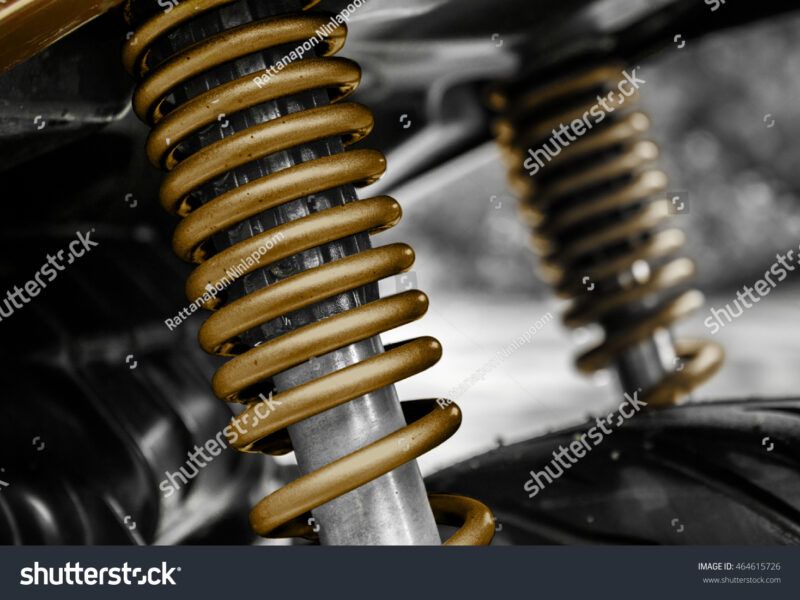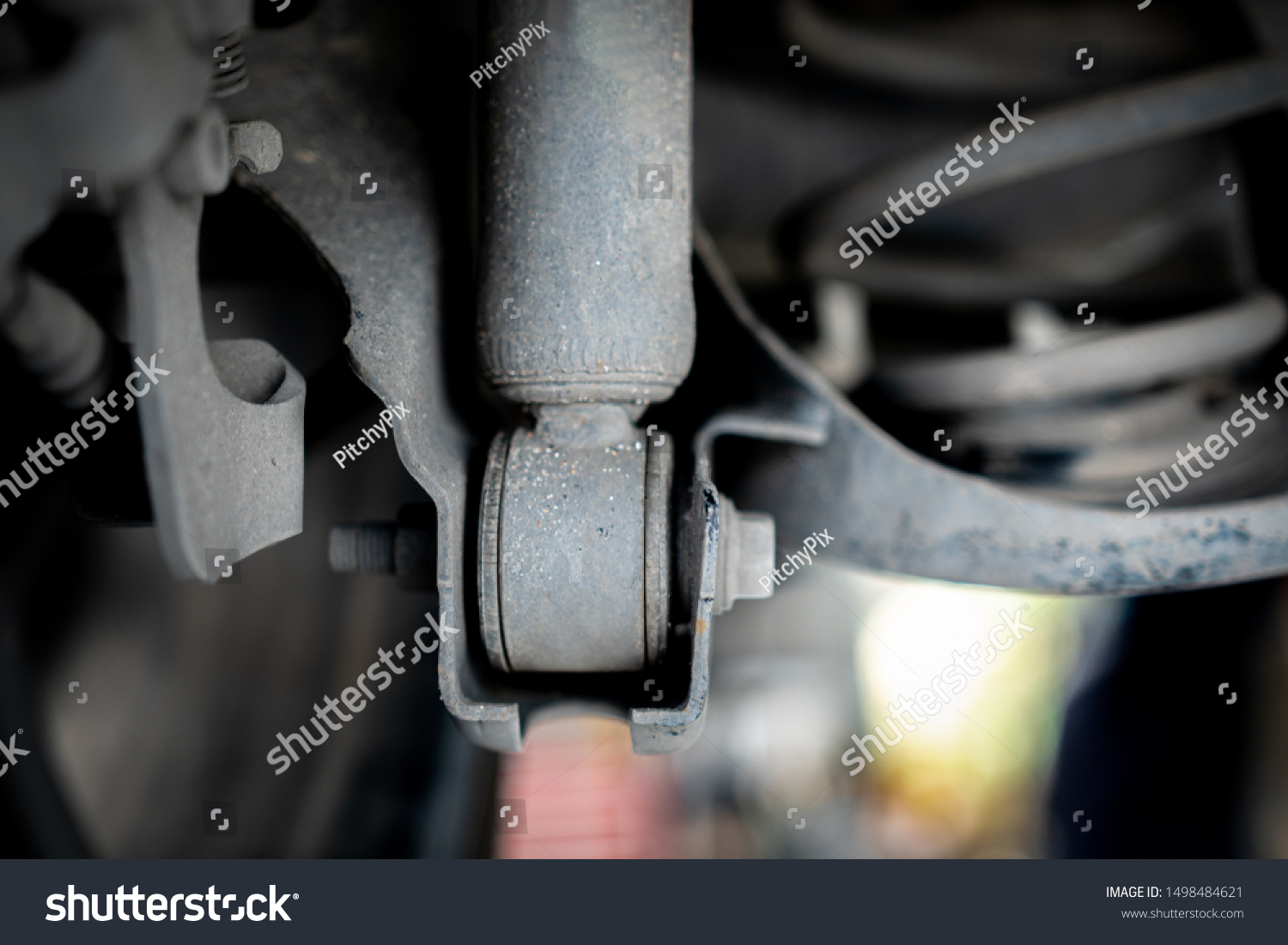
Recognizing the warning signs of bad shock absorbers is paramount for your vehicle’s safety, handling, and overall driving comfort. These crucial suspension components are designed to dampen spring oscillations and maintain consistent tire contact with the road, ensuring a smooth and controlled ride. Ignoring the common symptoms of bad car shock absorbers can lead to significantly compromised vehicle performance and increased risks on the road.
Bad shock absorber symptoms manifest in various ways, directly impacting your vehicle’s stability, braking efficiency, and ride quality. Prompt identification and replacement are critical to restoring optimal performance and ensuring passenger safety.
1. Excessive Bouncing and Ride Instability
One of the most classic and immediate indicators of failing shock absorbers is a noticeable increase in vehicle bouncing after encountering road imperfections. If your car continues to bounce or oscillate repeatedly—more than three times—after hitting a bump or pothole, it’s a clear signal that your shock absorbers are no longer effectively dampening spring movements.
This excessive movement not only creates an uncomfortable ride but also significantly compromises the vehicle’s ability to maintain consistent tire contact with the road surface. When the tires intermittently lose contact, steering responsiveness diminishes, and the risk of hydroplaning in wet conditions increases substantially. This inability to control vertical motion makes the vehicle feel “floaty” and less predictable, especially at higher speeds or on uneven terrain.
Properly functioning shock absorbers absorb the energy from road impacts, converting it into heat and dissipating it, allowing the suspension springs to compress and extend once without prolonged bouncing. When this function is compromised, the uncontrolled oscillations transfer directly to the cabin, leading to passenger discomfort and accelerated wear on other suspension components.
2. Vehicle Nose-Diving During Braking or Squatting on Acceleration
Another critical symptom of worn-out shock absorbers is the pronounced “nose-dive” phenomenon when braking sharply. This occurs because the front shocks can no longer adequately resist the forward transfer of weight, causing the front end of the vehicle to dip excessively. Conversely, a noticeable “squat” or exaggerated downward dip of the rear end during acceleration indicates that the rear shocks are failing to manage weight transfer effectively, impacting traction and power delivery.
This uncontrolled pitching significantly affects braking efficiency and distance. Studies suggest that vehicles with severely worn shock absorbers can experience an increase in braking distance by as much as 20% at speeds like 50 mph, potentially turning a near-miss into an accident. The inability of the suspension to maintain a stable platform during these critical maneuvers directly compromises safety and driver control.
Beyond safety, this constant and uncontrolled shifting of weight puts undue stress on the braking system and tires. The uneven load distribution during braking can lead to premature wear on brake pads and rotors, while acceleration squat can exacerbate tire wear and reduce the effectiveness of traction control systems. Addressing this issue promptly helps maintain vehicle dynamics and prolong the life of related components.
3. Uneven or “Cupped” Tire Wear
Worn shock absorbers directly contribute to irregular tire wear patterns, most commonly manifesting as “cupping” or “scalloping.” This distinctive wear pattern features uneven depressions around the circumference of the tire, resembling cups or scoops. It results from the tire repeatedly bouncing off the road surface rather than maintaining consistent contact, causing specific areas to wear down faster than others.
This inconsistent contact is a direct consequence of the shock absorber’s inability to control the spring’s movement. Instead of a smooth, dampened motion, the wheel rapidly oscillates, impacting the road in a non-uniform manner. Over time, these impacts create the characteristic cupped pattern, significantly reducing tire lifespan and necessitating earlier and more frequent tire replacements.
Beyond the financial implication of replacing tires prematurely, uneven wear also compromises tire grip and overall vehicle handling. A tire with a cupped pattern has less surface area consistently in contact with the road, leading to reduced traction, increased road noise, and a greater risk of hydroplaning. Regular tire rotation might mask the problem temporarily, but it won’t resolve the underlying issue of failing shocks.
4. Visible Fluid Leaks on Shock Absorber Bodies
Shock absorbers rely on hydraulic fluid to perform their dampening function. A visible leak on the exterior of a shock absorber is an undeniable clear sign your car’s shock absorbers are worn out or damaged. These leaks often appear as oily residue or streaks along the shock body, indicating that the internal seals have failed and the dampening fluid is escaping.
Once fluid begins to leak, the shock absorber’s ability to effectively dampen oscillations is severely compromised. The internal valving system, which controls the flow of hydraulic fluid, can no longer function correctly without the proper fluid volume and pressure. This leads to a progressive loss of dampening force, exacerbating other symptoms such as excessive bouncing and reduced vehicle control.
While a light film of oil might sometimes be present due to normal operation and condensation, any significant wetness or dripping liquid warrants immediate inspection. A simple visual inspection during routine maintenance can often catch these leaks before they lead to more severe handling issues. Ignoring fluid leaks will inevitably lead to complete shock absorber failure and the necessity of replacement.
5. Stiff, Harsh, or Uncomfortable Ride Quality
A noticeable degradation in ride comfort, characterized by a stiff or harsh sensation over bumps and rough roads, can also indicate failing shock absorbers. While many assume that a “soft” ride signifies bad shocks, overly stiff shocks or those that have become essentially locked due to internal failure can transmit every road imperfection directly to the vehicle’s chassis and occupants.
When shock absorbers lose their ability to properly absorb and dissipate kinetic energy, the ride becomes jarring. You might feel every crack, pothole, and expansion joint with an exaggerated impact, making long drives uncomfortable and fatiguing. This harshness is often accompanied by increased road noise, as the suspension struggles to isolate the cabin from external vibrations.
A well-functioning suspension system, including effective shock absorbers, is designed to provide a smooth transition over varying road surfaces, contributing significantly to passenger comfort. If your vehicle suddenly feels like it’s riding on solid steel rods rather than a cushioned suspension, it’s a strong indicator that the shocks are no longer performing their vital role in creating a comfortable driving experience.
6. Excessive Body Roll or Swaying During Turns
If your vehicle exhibits significant body roll or sways excessively when navigating corners or changing lanes, it’s a strong indicator of compromised suspension components, particularly worn shock absorbers. While sway bars also play a role in limiting body roll, worn shocks fail to properly control the vertical movement of the vehicle’s body, allowing it to lean heavily into turns.
This increased body roll diminishes the driver’s sense of control and reduces the vehicle’s stability, making evasive maneuvers more hazardous. The tires on the outside of the turn become overloaded, while those on the inside lift, leading to reduced grip and potentially unpredictable handling characteristics. This makes the vehicle feel less planted and secure on the road, particularly at higher speeds or during spirited driving.
Maintaining adequate body control is crucial for safe and predictable handling. When shocks are healthy, they help keep the vehicle’s body relatively flat during cornering, distributing weight more evenly across the tires and maximizing traction. Ignoring excessive body roll not only degrades the driving experience but also poses a significant safety risk, especially in emergency situations.
7. Vibration in the Steering Wheel or General Road Instability
A persistent vibration felt through the steering wheel, even on relatively smooth roads, can be a symptom of worn shock absorbers contributing to overall road instability. While steering vibrations can also point to issues like imbalanced tires or common symptoms of bad wheel bearings, failing shocks allow uncontrolled wheel bounce, which translates into feedback through the steering system.
This general instability makes the vehicle feel less secure and harder to keep in a straight line, often requiring constant small steering corrections. The tires struggle to maintain consistent contact with the road, leading to a “wandering” sensation and reduced directional stability. Such conditions increase driver fatigue and can make highway driving particularly challenging.
For most conventional vehicles, shock absorbers are designed to last between 50,000 to 100,000 miles, though driving conditions, vehicle type, and manufacturer specifications can influence this lifespan. Regular inspections, especially around the 60,000-mile mark, are recommended to assess their condition and determine if they require replacement to maintain optimal vehicle control and reduce steering wheel vibrations.
When to Replace Your Suspension Components: A Practical Guide
Knowing when to replace your shock absorbers is crucial for maintaining vehicle integrity and safety. While the symptoms listed above are strong indicators, a proactive approach to maintenance is always beneficial. Many manufacturers recommend inspection every 12,000 to 15,000 miles and replacement typically between 50,000 and 100,000 miles, depending on the vehicle and driving conditions.
Factors like frequent driving on rough roads, carrying heavy loads, or towing can significantly reduce the lifespan of your shocks. During an inspection, a qualified technician will look for fluid leaks, damaged mounts, excessive rust, and perform a “bounce test” to evaluate dampening effectiveness. The timing of replacement isn’t just about mileage; it’s about performance degradation and safety.
Replacing worn shock absorbers is not merely about restoring comfort; it’s about reinstating critical safety features. Fresh shocks improve tire contact, reduce braking distances, enhance steering responsiveness, and minimize the risk of loss of control during emergency maneuvers. Consider investing in quality replacement parts that meet or exceed OEM specifications to ensure long-lasting performance and reliability.
Here’s a quick overview of typical shock absorber replacement intervals and key considerations:
| Factor | Typical Lifespan/Interval | Impact of Worn Shocks |
|---|---|---|
| Standard Driving Conditions | 50,000 – 100,000 miles | Reduced comfort, minor instability |
| Heavy Duty/Off-Road Use | 30,000 – 50,000 miles | Severe handling issues, faster tire wear |
| Braking Distance | N/A (Consequence) | Can increase braking distance by up to 20% |
| Tire Life | N/A (Consequence) | Up to 20-30% reduction due to cupping |
| Inspection Frequency | Every 12,000 – 15,000 miles | Early detection prevents major issues |
Frequently Asked Questions About Bad Shock Absorbers
What is the average lifespan of car shock absorbers?
The average lifespan of car shock absorbers typically ranges from 50,000 to 100,000 miles for most vehicles under normal driving conditions. However, this can vary significantly based on vehicle type, driving habits, road conditions, and the quality of the original equipment. Vehicles frequently exposed to rough roads, heavy loads, or towing demands may experience a shorter lifespan, potentially requiring replacement closer to the 30,000 to 50,000-mile mark. Regular inspections are crucial to accurately assess their condition regardless of mileage.
Can bad shock absorbers affect braking performance?
Absolutely. Bad shock absorbers significantly impair braking performance by failing to maintain consistent tire contact with the road during deceleration. When shocks are worn, the vehicle’s weight transfers aggressively forward, causing excessive nose-diving. This reduces the effective contact patch of the tires, particularly the rear tires, leading to an increase in braking distance. In some cases, severely worn shocks can extend stopping distances by up to 20%, dramatically increasing the risk of accidents and compromising the vehicle’s ability to respond to sudden stops.
How do I differentiate between bad shock absorbers and worn wheel bearings?
While both can cause vibrations, distinguishing between bad shock absorbers and worn wheel bearings is crucial for accurate diagnosis. Bad shock absorbers primarily affect ride quality, stability, and handling, leading to excessive bouncing, nose-diving, and uneven tire wear (like cupping). Worn wheel bearings, on the other hand, typically produce specific auditory cues, such as a grinding, humming, or roaring noise that often changes with vehicle speed or when turning. According to the National Highway Traffic Safety Administration (NHTSA), problems related to wheel bearings contribute to nearly 10% of vehicular accidents linked to mechanical failure, emphasizing their distinct and critical role in vehicle safety. While shocks manage vertical wheel movement, wheel bearings facilitate the smooth rotation between the wheel and the vehicle’s axles; if they fail, this smooth rotation is interrupted, leading to noise and friction rather than the dampening issues of shocks. A mechanic’s inspection can definitively pinpoint the source of the issue.
Is it safe to drive with bad shock absorbers?
It is strongly advised not to drive with bad shock absorbers for extended periods. While the vehicle might still be operational, its safety, handling, and braking capabilities are severely compromised. Worn shocks lead to reduced tire contact with the road, increased braking distances, poor steering response, and a heightened risk of losing control, especially during emergency maneuvers or on uneven surfaces. This degradation in performance not only poses a direct safety risk to you and other road users but also accelerates wear on other critical suspension and tire components, potentially leading to more expensive repairs in the long run. Prioritizing timely replacement is essential for safe driving.