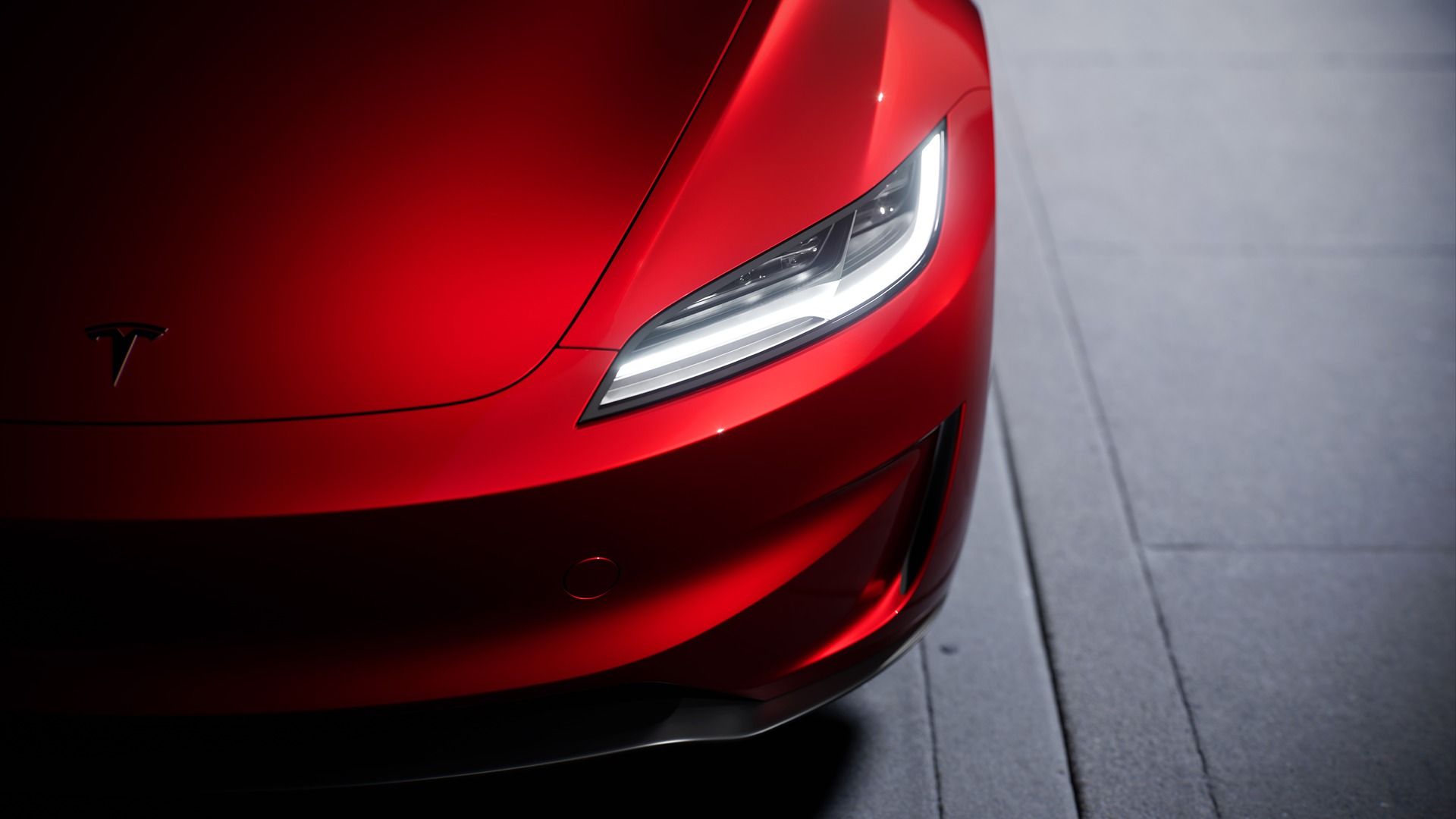
When weighing the decision between the Tesla Model 3 and Model Y, it’s essential to consider an often-overlooked aspect: the insurance costs. Generally speaking, the Tesla Model 3 emerges as the more economical choice for insurance compared to the Model Y. This essential difference is attributed to various factors, including the vehicles’ average market value, repair costs, and frequency of claims.
Both models do attract higher insurance premiums than most traditional gasoline vehicles, primarily due to their advanced technology and specialized repair needs. Nevertheless, the Model 3 proves to be a more budget-friendly option in terms of overall insurance expenses, helping prospective buyers make a sound decision.
What Are the Average Insurance Costs for the Tesla Model 3 and Model Y?
Insurance costs for the Tesla Model 3 and Model Y can fluctuate widely based on several variables, including the driver’s profile, geographic location, and selection of coverage. However, general trends indicate that the Model 3 is the more affordable option when it comes to insurance rates.
- Tesla Model 3: Average full coverage insurance costs range from approximately $2,459 to $3,871 annually, translating to about $205-$322 per month.
- Tesla Model Y: For the Model Y, average full coverage insurance typically falls between $2,538 and $3,836 per year, which is roughly $212-$320 monthly.
It’s important to note that these figures represent averages; individual quotes will vary significantly. For example, a 2026 Model Y might average costs between $2,725 and $3,529 annually for comprehensive coverage.
Why Do Tesla Insurance Costs Differ Between Models?
Various key characteristics contribute to the disparities in insurance premiums between the Model 3 and Model Y. Insurance providers assess these factors to evaluate risk and potential payouts.
Is Vehicle Value a Major Factor in Insurance Costs?
Absolutely, the initial purchase price and market value of a vehicle heavily influence insurance premiums. A higher vehicle value translates to increased potential payouts for insurers in the event of a total loss or extensive damage.
- The Model 3 generally has a lower Manufacturer’s Suggested Retail Price (MSRP) compared to the Model Y, which helps to keep its insurance rates relatively lower.
- As a larger SUV, the Model Y tends to carry a higher price tag, contributing to its increased insurance costs.
How Do Repair Costs Affect Tesla Insurance?
Repair costs play a considerable role in determining insurance premiums for both models. Tesla vehicles employ advanced materials and technology, necessitating specialized parts and skilled labor for repairs.
- The Model Y features unibody construction and aerospace-grade aluminum panels, making post-accident repairs more expensive.
- A limited number of certified repair centers and high costs for replacement parts further increase claim expenses for both models.
- Even minor accidents can result in significant repair bills, raising the likelihood of a vehicle being declared a total loss.
Does Claim Frequency Impact Premiums for Teslas?
Claim frequency and severity are critical metrics that insurers use to set premium rates. If a particular model sees more accidents or generates higher-cost claims, this increased risk is reflected in its insurance rates.
- Some analyses indicate that certain Tesla models experience a higher frequency of insurance claims compared to their competitors.
- The Model 3, being lighter and faster, may be linked to increased damage and higher claim frequency, often driven by driver behavior.
What Other Factors Influence Tesla Insurance Rates?
Beyond the vehicle, several personal and external factors also significantly affect your Tesla insurance premiums.
- Driver Profile: Your age, driving history, credit score, and claims record significantly impact your insurance rates. Generally, safer drivers face lower premiums.
- Location: The area where you live and where you park your vehicle (ZIP code) plays a significant role in determining premiums due to varying accident and theft rates.
- Coverage Selections: The kind and extent of coverage you select—be it liability, comprehensive, collision, or deductibles—directly influences your overall costs.
- Annual Mileage: Your driving habits can affect premiums, with lower yearly mileage sometimes leading to discounts.
- Tesla’s Safety Score: In states where Tesla Insurance operates, your real-time Safety Score, derived from driving behavior, can dynamically alter your premium.
- FSD (Supervised) Usage: In select areas, greater utilization of Full Self-Driving (Supervised) may yield discounts on your insurance.
How Can You Potentially Lower Your Tesla Insurance Costs?
Despite the generally higher premiums associated with Teslas, several strategies can help mitigate your insurance expenses.
- Shop Around: It’s wise to compare quotes from multiple insurance providers, as rates can vary significantly between companies for identical coverage.
- Maintain a Clean Driving Record: A history free of accidents and traffic violations is one of the most effective ways to secure lower rates.
- Improve Your Credit Score: In many states, a better credit score can yield lower insurance rates.
- Increase Deductibles: Opting for higher deductibles for comprehensive and collision coverage can lower your premium; just be prepared for higher out-of-pocket costs when filing a claim.
- Bundle Policies: Insuring both your vehicle and home with the same provider often results in multi-policy discounts.
- Inquire about Discounts: Don’t hesitate to ask your insurer about discounts for safety features, anti-theft devices, low mileage, or being a good student.
- Consider Tesla Insurance: If available in your state, Tesla’s own insurance program leverages real-time driving data to offer potentially lower premiums for safe drivers.
- Opt for Lower Trim Levels: Performance variants of both the Model 3 and Model Y typically come with higher insurance costs than their standard counterparts.
Frequently Asked Questions (FAQ)
Are Electric Vehicles (EVs) More Expensive to Insure in General?
Yes, it’s true that EVs, including Teslas, often incur higher insurance costs than comparable gasoline vehicles. This is due to their increased purchase prices, specialized components such as batteries, and costly repair processes requiring expertly trained technicians. For insights on extending EV battery life, check out Electric Car Battery Longevity.
Does Tesla’s Autopilot or Full Self-Driving (FSD) Reduce Insurance Costs?
While Autopilot and FSD are designed to enhance vehicle safety, their effects on insurance premiums can be complex. In certain instances, increased FSD (Supervised) utilization with Tesla Insurance can result in discounts; however, insurers also account for the perceived risks associated with advanced driver-assistance systems and the costs of repairing the intricate sensor systems.
Why are Tesla repairs so expensive?
The high costs of Tesla repairs can be attributed to the use of advanced materials, such as aerospace-grade aluminum, along with sophisticated technology. The limited availability of certified repair centers and expensive proprietary parts also contribute to increased repair costs, ultimately leading to higher payouts by insurers.
Is the Tesla Model Y always more expensive to insure than the Model 3?
Generally, yes. The Model Y tends to have higher insurance costs compared to the Model 3. Nonetheless, individual factors such as driver profile, location, and specific trim level may occasionally result in exceptions. Some analyses indicate that the Model Y might be cheaper in specific contexts, but overall trends favor the Model 3.
Should I consider insurance costs before buying a Tesla?
Absolutely. Insurance expenses can substantially impact your overall vehicle costs, adding hundreds to your monthly budget. Therefore, it’s crucial to secure insurance quotes for both the Model 3 and Model Y, including various trim levels, based on your specific profile and locality before making a purchase decision.