Welcome to your comprehensive guide on car maintenance. This resource serves not just to inform, but to empower you to enhance the longevity, reliability, and optimal performance of your vehicle. With proactive maintenance strategies, you can significantly reduce repair costs and fuel consumption, ensuring your car continues to run smoothly for over 200,000 miles—a benchmark achieved by brands such as Toyota and Honda. Regular upkeep not only protects your investment but also guarantees your safety on the road.
Understanding your vehicle’s specific needs empowers you to tackle maintenance tasks—ranging from DIY checks like tire pressure to essential professional services like transmission fluid flushing. This guide addresses everything from advanced fluid management to meticulous brake inspections, ensuring your vehicle remains in prime condition throughout its service life.
Why is Meticulous Car Maintenance Critically Important for Vehicle Integrity and Safety?
Consistent and meticulous car maintenance lays the groundwork for a healthy vehicle. By addressing minor issues before they evolve into major problems, you can save hundreds, if not thousands, annually. For example, fixing small maintenance issues can improve your car’s fuel economy by up to 40%.
Moreover, well-maintained vehicles operate efficiently, enhancing gas mileage by as much as 10%, while also minimizing harmful emissions. Beyond cost savings, a properly cared-for car maximizes safety, ensuring that vital systems like the anti-lock braking system (ABS) and steering are functioning optimally, thereby reducing the risk of accidents.
What are the Specific Components of an Optimized Car Maintenance Schedule, by Mileage and Time?
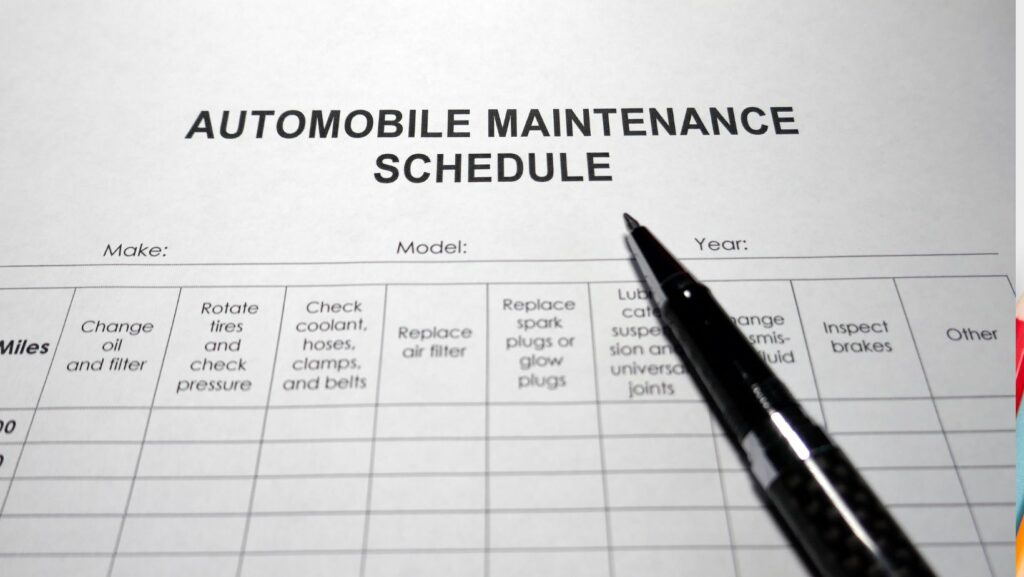
A well-structured maintenance schedule, often stipulated in your vehicle’s owner’s manual, should ideally align with specific mileage intervals or timeframes. Following OEM-recommended schedules is vital for preventive care, preserving your vehicle’s integrity.
What Essential Daily Checks Should Be Performed Before Driving Your Vehicle?
- Tire Pressure: Check tire pressure, ensuring it aligns with the manufacturer’s recommended PSI (generally 30-35 PSI for most passenger cars). Maintaining proper pressure can improve fuel efficiency by up to 10%.
- Fluid Levels: Visually inspect engine oil, coolant, and windshield washer fluid levels. Coolant levels should fall between the ‘min’ and ‘max’ marks when the engine is cold.
- Exterior Lights: Ensure all exterior lights are functioning correctly. Headlights should be checked annually, with replacements every 4-5 years.
- Wipers and Horn: Test wipers for effectiveness and ensure the horn operates at an audible level of at least 110 dB.
What Car Maintenance Tasks are Recommended Every 3-6 Months or Every 5,000-7,500 Miles?
- Engine Oil and Filter Change: Replace engine oil and filter every 5,000-7,500 miles. Following the manufacturer’s specifications ensures optimal engine lubrication.
- Tire Rotation: Rotate tires to promote even wear and extend lifespan, possibly maximizing longevity by up to 20%.
- Fluid Top-offs: Top off fluids as needed, including power steering and brake fluids (e.g., DOT 4).
- Battery Check: Inspect terminals for corrosion and ensure connections are secure. A professional can measure battery health.
- Cabin Air Filter Inspection: Replace the cabin air filter every 15,000 to 30,000 miles to maintain air quality and efficiency.
What Comprehensive Car Maintenance Should Be Done Annually or Every 15,000 – 30,000 Miles?
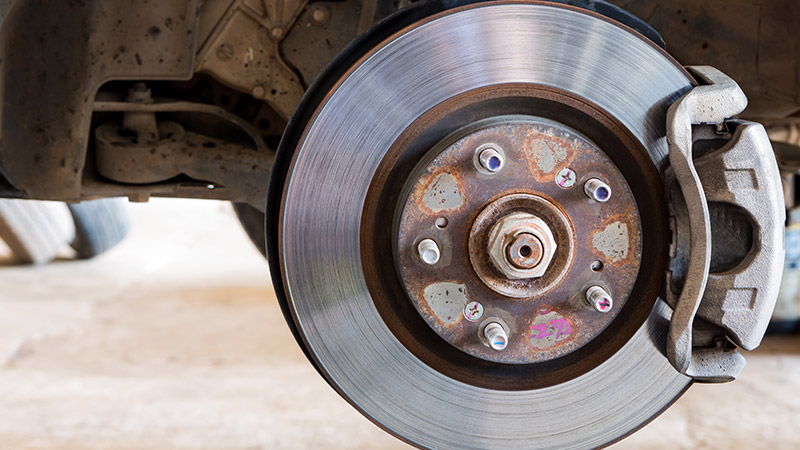
- Brake System Inspection: Conduct thorough inspections of brake components and replace brake fluid as required.
- Engine Air Filter Replacement: Replace the engine air filter annually or every 15,000-30,000 miles.
- Coolant Flush: Flush and replace coolant every 30,000-50,000 miles.
- Spark Plug Inspection/Replacement: Inspect and replace spark plugs according to manufacturer recommendations.
- Transmission Fluid Check and Service: Assess the condition of transmission fluid, replacing it as necessary.
- Tire Inspection: Review tread depth and look for signs of damage.
- Wheel Alignment Check: Perform alignment checks to ensure optimal tire performance.
How Does Comprehensive Fluid Management Ensure Optimal Vehicle Health?
Effective fluid management is essential for any vehicle’s long-term health. Each fluid plays a unique role; maintaining proper levels and quality is key to preventing premature wear.
| Fluid Type | Check Interval | Replacement Interval (Typical) | Specifics/Notes |
|---|---|---|---|
| Engine Oil | Monthly | 3,000-5,000 miles (conventional) / 7,500-15,000 miles (synthetic) | Consult owner’s manual for specific specifications. Critical for engine lubrication. |
| Brake Fluid (DOT 3/4) | Every 3-6 months | 2-3 years or 30,000-45,000 miles | Essential for maintaining hydraulic braking performance. |
| Coolant/Antifreeze | Every 3-6 months | 30,000-50,000 miles or 2-5 years | Prevents engine overheating and corrosion. |
| Transmission Fluid (Automatic) | Every 6 months or 10,000 miles | 30,000-60,000 miles (conventional) / up to 100,000 miles (synthetic) | Inspect while warm for accurate readings. |
| Power Steering Fluid | Every 3-6 months or with oil change | 50,000-100,000 miles or 2-5 years | Essential for steering responsiveness. |
| Differential Fluid (AWD/RWD) | Annually or every 15,000 miles (severe conditions) | 30,000-60,000 miles (severe) / 100,000+ miles (normal) | Protects gears in non-transaxle drivetrains. |
| Windshield Washer Fluid | Monthly or as needed | As consumed | Essential for clear visibility. |
Regularly inspecting these fluids for clarity and correct levels contributes to your vehicle’s overall longevity and operational efficiency.
How Can I Perform Basic Car Maintenance Tasks Myself to Save Costs?
Many routine maintenance tasks are achievable with basic tools, allowing you to save significantly on labor costs. Safety should always be your top priority.
What are the Precise Steps for Checking and Topping Up Engine Oil?
- Ensure the engine is cool and parked on a level surface. Wait 10-15 minutes post-engine run for accurate oil level readings.
- Locate the oil dipstick, identifiable by a distinct handle.
- Pull out the dipstick, clean it, and reinsert it fully before taking another reading.
- Inspect the oil level against the dipstick markings. If below the “Add” mark, add the recommended type of oil gradually.
How Do I Accurately Check and Maintain Tire Pressure for Optimal Safety and Efficiency?
- Use a tire pressure gauge to check pressure when tires are cold.
- Compare results with the manufacturer’s recommended PSI, found on the doorjamb sticker.
- Add or release air as necessary to achieve the correct pressure.
- Check tire pressure monthly, especially before long trips.
When Should Specialized Professional Car Maintenance Be Sought from Certified Technicians?
Although many tasks can be handled by yourself, some require the expertise of Automotive Service Excellence (ASE) certified mechanics to ensure your vehicle functions safely and effectively.
What are Critical Warning Signs That Necessitate Professional Car Repair?
- Warning Lights: Dashboard indicators like the “Check Engine” light should prompt immediate professional evaluation.
- Unusual Noises: Grinding during braking or engine knocking are signs of underlying mechanical issues.
- Performance Issues: Loss of power or frequent stalling demands immediate attention.
- Brake Problems: Unresponsive or noisy brakes require expert evaluation.
- Overheating: High engine temperatures necessitate immediate action to prevent severe damage.
- Fluid Leaks: Puddles beneath your vehicle need professional diagnosis and repair.
What Specific Types of Professional Automotive Services Are Commonly Required?
- Major engine overhauls or transmission rebuilds can exceed $3,000.
- Complex electrical diagnostics for modern vehicles require specialized knowledge.
- Suspension and steering repairs need precise alignment tools and safety measures.
- Air conditioning system servicing involves specialized equipment and regulated chemicals.
- Advanced emissions control diagnostics ensure compliance with environmental standards.
How Does Proactive Car Maintenance Fundamentally Affect Vehicle Lifespan and Long-Term Reliability?
Adhering to a detailed maintenance schedule significantly prolongs your vehicle’s lifespan. Well-maintained cars can reach up to 200,000 to 300,000 miles, drastically outpacing the average service life of 150,000-200,000 miles for neglected vehicles.
For instance, regular oil changes can prevent premature engine damage while proper tire maintenance ensures safety and enhances mileage. Following OEM specifications is crucial for brands like Toyota and Honda, known for their outstanding engineering and longevity under meticulous care.
Frequently Asked Questions (FAQs) About Car Maintenance
- What is the single most critical car maintenance task for engine longevity?
- Regular engine oil changes, following the manufacturer’s recommended intervals, are vital for preventing internal wear.
- How often should I rotate and replace my car’s tires?
- Tires should be rotated every 5,000-7,500 miles and replaced when tread depth reaches 2/32 of an inch.
- Can I perform car maintenance on an electric vehicle (EV)?
- EV owners can check tire pressure and fluid levels; specialized maintenance includes monitoring battery coolant.
- What is the fundamental distinction between car maintenance and car repair?
- Maintenance is preventative, focused on preserving health; repair addresses existing issues.
- How does routine car maintenance directly impact fuel efficiency?
- Properly inflated tires and clean air filters can improve fuel economy and overall performance.
- What specific tools are essential for basic DIY car maintenance?
- Key tools include a tire pressure gauge, wrenches, a socket set, and an oil filter wrench.
- At what mileage should a timing belt typically be replaced?
- Replacement intervals vary between 60,000 and 105,000 miles based on the vehicle model.
Related Articles for Advanced Vehicle Care
- Car Bumper Repair Costs: DIY vs. Professional Shop Estimates
- Reliability Showdown: Toyota Camry vs. Honda Accord Long-Term Ownership
- Overheating? 5 Signs Your Car Thermostat is Failing and Needs Replacement
- Top-Rated All-Season Tires for SUVs: Performance and Longevity Guide
- Tesla Model 3 vs. Model Y: Which Electric Car is Cheaper to Insure?
- How do I properly maintain my car’s brake system to ensure optimal performance and lifespan?