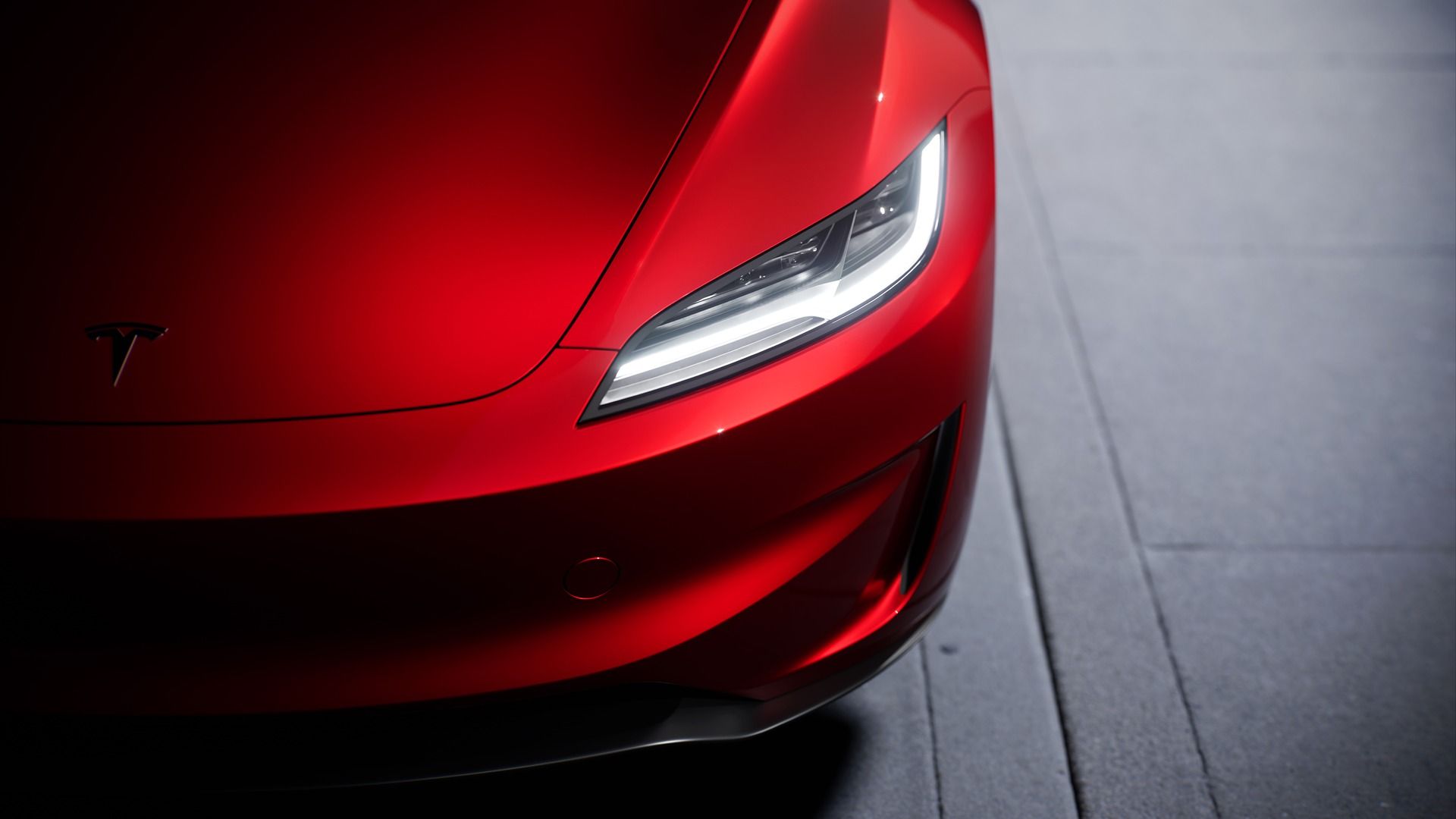
When it comes to comparing the insurance costs of the Tesla Model 3 and Model Y, the Model 3 usually stands out as the more budget-friendly choice. This affordability largely stems from its lower market value and simpler repair needs compared to the larger Model Y SUV. Yet, it’s important to recognize that several factors ultimately shape the insurance premiums for both vehicles.
Understanding these variables is vital for electric vehicle owners. Insurance rates are not fixed; they fluctuate based on individual circumstances, the specifics of the vehicle, and the insurer’s evaluation of risk. In this article, we will explore the key differences that influence insurance costs for these two popular Tesla models.
Why Does Insurance Cost Differ Between Model 3 and Model Y?
The insurance cost discrepancy between the Tesla Model 3 and Model Y primarily hinges on their unique physical characteristics and varying market values. As a larger SUV, the Model Y frequently incurs higher repair costs owing to its size and the complexity of its components.
Moreover, the purchase price of a Model Y is generally higher than that of a comparable Model 3. Consequently, insurers adjust their premiums upwards to account for covering a more valuable asset. This difference in initial cost directly translates to elevated risk for insurance companies in the event of a total loss.
What Factors Influence Tesla Insurance Premiums?
The overall insurance cost for Tesla vehicles, including the Model 3 and Model Y, is influenced by several key elements:
- Vehicle Value: Typically, newer and more expensive models attract higher premiums.
- Repair Costs: The intricacies and costs associated with parts and repair work for electric vehicles, particularly Teslas, can be substantial.
- Safety Ratings and Features: While Teslas are widely recognized for their safety, specific features can also sway insurance rates.
- Driver Profile: Factors such as age, driving history, location, and levels of coverage significantly affect premiums.
- Theft Rates: Even with advanced security measures, theft rates remain a consideration for insurers.
Is Tesla Model 3 Cheaper to Insure Than Model Y?
In most cases, yes, the Tesla Model 3 is indeed cheaper to insure than the Model Y. This trend has been consistently noted across various insurance providers.
The Model 3’s smaller dimensions, lower replacement costs, and potentially less complex repair needs contribute to its advantageous insurance rates compared to its larger SUV counterpart, the Model Y.
What is the Average Insurance Cost for a Tesla Model 3?
The average annual insurance cost for a Tesla Model 3 usually falls within the range of $1,500 to $2,500. However, this figure is heavily influenced by factors such as the vehicle’s trim level, production year, the driver’s history, and the chosen insurance coverage.
Moreover, factors such as the number of miles driven and the location where the car is stored play crucial roles in determining the exact premium. It’s vital to request personalized quotes for a more accurate estimate.
What is the Average Insurance Cost for a Tesla Model Y?
On average, insuring a Tesla Model Y can be more costly than a Model 3, with annual premiums typically ranging from $1,800 to $3,000 or even higher. This increase can be traced back to the Model Y’s greater market value and its classification as an SUV.
The likelihood of higher repair costs, driven by its larger size and additional body panels, further substantiates this elevated average insurance premium.
How Can I Lower My Tesla Insurance Costs?
To minimize insurance expenses for a Tesla—whether it’s a Model 3 or Model Y—consider these strategic approaches:
- Shop Around: Acquiring quotes from multiple insurance providers can reveal significant differences in rates.
- Increase Deductibles: Opting for a higher deductible often leads to a lower premium, but make sure you can manage this cost in case of a claim.
- Bundle Policies: Insuring both your home and vehicle with the same company can often unlock discounts.
- Good Driver Discounts: Maintaining a clean driving record is a powerful way to reduce costs.
- Low Mileage Discount: Driving less? Let your insurer know, as this can help lower your premium.
- Safety Features: Ensure your insurer recognizes all the advanced safety features installed in your Tesla.
- Telematics Programs: Some insurers may offer discounts for drivers who participate in programs that monitor driving habits through tracking devices.
When assessing options for comprehensive and collision coverage, consider the vehicle’s value carefully. For older cars, dropping certain types of coverage might be an option, though for Teslas, which retain high resale values, comprehensive and collision coverage are typically advisable.
Frequently Asked Questions
Is Tesla insurance more expensive than a regular car?
Yes, insuring a Tesla is often more expensive than for comparable gasoline-powered vehicles due to higher repair costs, advanced technology, and their greater market values.
What is the cheapest state to insure a Tesla?
States that feature lower overall insurance rates, fewer accidents, and milder weather conditions often provide cheaper Tesla insurance. While specific data varies, states in the Midwest or less populated areas commonly report lower rates compared to the densely populated coastal regions.
Does Tesla offer its own insurance?
Indeed, Tesla has introduced its own insurance product in selected markets, which can sometimes prove competitive. Comparing their rates against those from other providers is worthwhile.
Are Teslas expensive to repair?
Yes, repairing Teslas can be costly, particularly when specialized parts or labor are required. This factor contributes significantly to the insurance premiums associated with these vehicles.