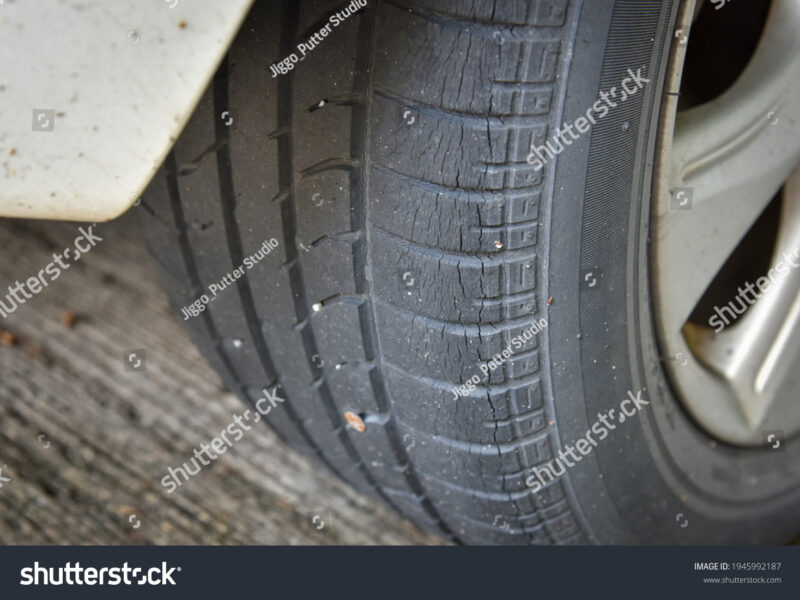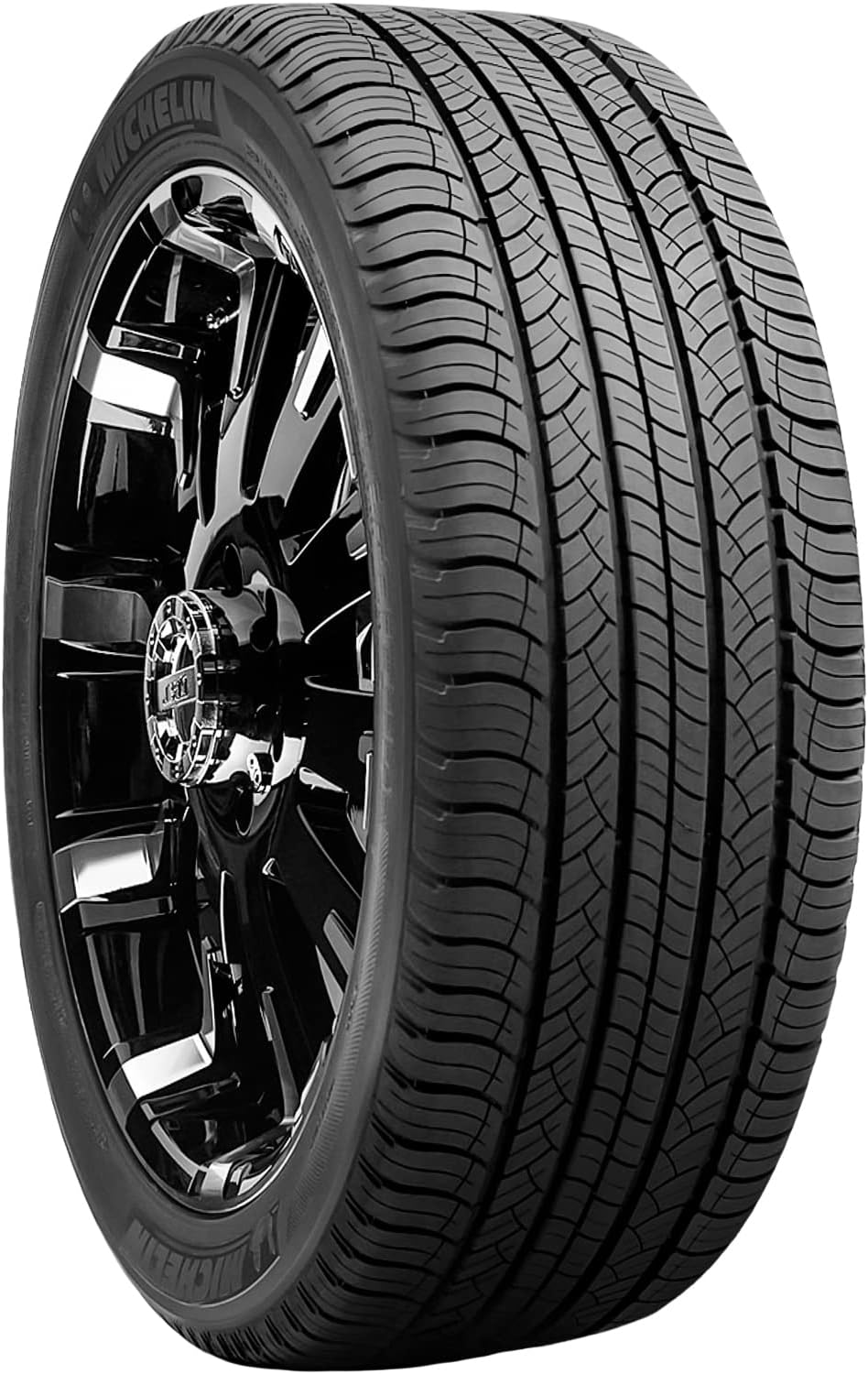
Selecting the best all-season tires for your SUV is crucial for ensuring safety, performance, and durability across varied driving conditions. This comprehensive guide focuses on the top-rated options for 2024, emphasizing key metrics such as treadwear, wet/dry grip, snow traction, and overall longevity. Understanding these factors will empower SUV owners to make informed decisions for year-round driving.
All-season tires are designed to provide a balanced compromise, ensuring reliable performance in light snow, rain, and dry heat without sacrificing comfort or fuel efficiency. Their versatile design and innovative engineering contribute to a smoother ride, making them an ideal choice for many drivers. In this article, we’ll dive into the specifications, performance evaluations, and comparisons among the best all-season tires available for SUVs.
What are the leading all-season SUV tires in 2024?
The market for SUV all-season tires is competitive, with several brands consistently offering high-quality products. Leading contenders often include Michelin, Continental, Bridgestone, and Pirelli, which are renowned for their advanced tread compounds and innovative designs.
These manufacturers strive to optimize a blend of performance characteristics, excelling in grip, braking distances, and handling while also providing a quiet and comfortable ride. Longevity is a significant factor, with many top-tier tires boasting high treadwear ratings that reflect their extended usefulness.
How do all-season tires perform in different conditions?
All-season tires are engineered to provide acceptable performance across a range of temperatures and precipitation. In dry conditions, these tires offer good stability and responsive handling, making them ideal for everyday driving scenarios. Wet performance is critical; many top models feature deep circumferential grooves designed to evacuate water effectively and prevent hydroplaning, thus ensuring safety during rain.
For light snow and ice, all-season tires utilize sipes and specific tread patterns to generate traction, allowing for a secure driving experience without compromising control. It’s important to note that while they perform adequately in mild winter conditions, all-season tires do not replace dedicated winter tires in severe climates.
What is the expected lifespan of quality all-season SUV tires?
The longevity of all-season SUV tires is typically measured by their UTQG (Uniform Tire Quality Grading) treadwear rating. Higher numbers indicate longer potential lifespans. Most reputable all-season tires for SUVs come with treadwear warranties ranging from 40,000 to 80,000 miles or more, providing a clear indication of anticipated durability.
Factors influencing tire life include driving habits, vehicle alignment, tire pressure maintenance, and consistent rotation schedules. Regular checks and proper care can maximize the mileage you get from your tires, aligning with best practices in vehicle maintenance and preservation.
Which SUV tire brands offer the best longevity?
Brands such as Michelin, Goodyear, and Bridgestone are frequently cited for their durable all-season tire offerings. Michelin’s Defender series, for example, is renowned for its extended tread life and consistent performance over time. Moreover, the Goodyear Assurance WeatherReady and Bridgestone Dueler H/L Alenza Plus are strong contenders, often praised for their long-term wear and all-weather capability.
What are the key performance metrics for all-season SUV tires?
- Treadwear: Indicates expected mileage; higher numbers mean longer life, with good tires ranging from 300 to 600 in their UTQG ratings.
- Traction: Measures the tire’s grip on wet and dry surfaces, crucial for braking and acceleration, typically rated from A to C.
- Temperature Resistance: Assesses the tire’s ability to dissipate heat, essential for sustained high-speed driving.
- Snow Traction: Evaluates grip in light to moderate snow conditions; a fundamental aspect for year-round use.
- Noise Level: A measure of cabin comfort; quieter tires significantly enhance the driving experience.
- Fuel Efficiency: Rolling resistance affects fuel consumption and overall vehicle performance.
How do tire prices compare for top all-season SUV models?
Prices for top-rated all-season SUV tires can vary significantly based on size, brand, and specific model features. Generally, premium brands like Michelin and Continental command higher price points due to their advanced technology and performance qualities. One can expect to pay anywhere from $150 to $300 or more per tire for larger SUV sizes.
Mid-range options from brands like Cooper or General Tire can offer a good balance of performance and value, typically costing between $120 and $200 per tire. While budget-friendly choices may be available, it’s important to note that such options often compromise on longevity, safety, or all-weather performance.
Should I consider specific tire sizes for my SUV?
Yes, selecting the correct tire size is paramount for safety and performance. Always refer to your vehicle’s owner’s manual or the tire information sticker located on the driver’s side doorjamb for the recommended tire size and load/speed ratings. Using incorrect sizes can negatively impact handling, braking performance, and even speedometer accuracy.
Deviating from the original equipment (OE) size should be done with caution and full understanding of potential consequences. For instance, changing tire diameter can affect your vehicle’s ground clearance, handling characteristics, and the calibration of electronic systems.
Frequently Asked Questions
Do all-season tires wear out faster in hot weather?
Yes, extreme heat can accelerate rubber degradation and wear, particularly if tires are underinflated or subjected to constant high temperatures without adequate cooling. Maintaining proper tire pressure is key to prolonging tire life in hotter climates.
Can I use all-season tires year-round in snowy climates?
For areas with frequent or heavy snowfall, dedicated winter tires are highly recommended for optimal safety and performance. All-season tires are better suited for regions with milder winters or occasional light snow. Refer to this guide for additional winter tire insights.
How often should I rotate my SUV’s all-season tires?
Tire rotation is typically recommended every 5,000 to 8,000 miles to ensure even wear and maximize tread life. Adhering to this routine enhances the overall performance of your vehicle, aligning with general car maintenance practices.
What does the UTQG rating mean on a tire?
The UTQG rating includes Treadwear (a relative comparison to a standard tire), Traction (AA, A, B, C for wet grip), and Temperature Resistance (A, B, C for heat dissipation). The Treadwear number is a key indicator of potential longevity and should be taken into account when selecting tires.
Are expensive all-season tires always better for SUVs?
While premium tires often offer superior performance and durability, the “best” tire depends on your specific needs and driving conditions. Mid-range options can provide excellent value and performance for many SUV owners, making them suitable alternatives depending on individual requirements.